
Reviewed · WALKING TOURS
Bukhara: Walking Tour with a Small Group
Bukhara’s old city is best understood on foot, where a shaded trading dome can lead to a blue-tiled madrasa, then open suddenly onto the great Poi Kalyan square. This small-group walk brings together the main sights in about four and a half hours, with local guides such as Sunny and Nuriddin explaining the customs, architecture, and stories behind them.
I like the maximum group size of 10, which should make it easier to hear the guide and ask questions. I also like that the artisan visits are meant to show local life rather than push shopping. The main consideration is pace: the route covers a lot, and entry fees, food, and drinks are extra.
Key points at a glance
- Sixteen major sights in one walk: Cover Lyabi-Hauz, the trading domes, Poi Kalyan, Bolo-Hauz, the Ark exterior, and the Samanid Mausoleum.
- Small group format: The tour is limited to 10 people, a useful size for conversation and clear guiding.
- Strong English-language guidance: Guides including Sunny and Nuriddin are described as fluent, flexible, and ready to discuss Uzbek traditions and daily habits.
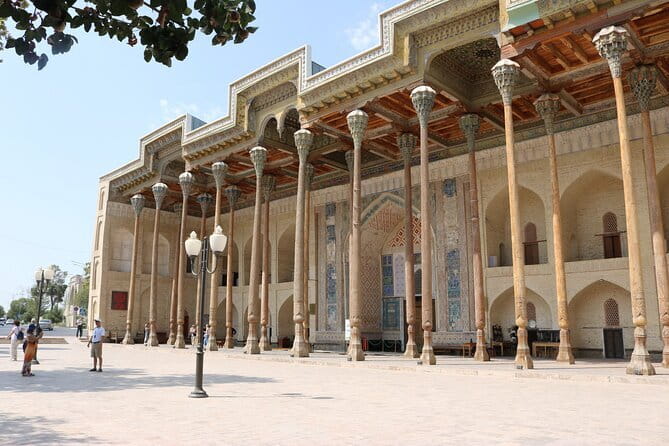
- Architecture from many periods: See the 12th-century Magoki-Attori Mosque, 15th-century Ulugbek Madrasa, 16th-century Poi Kalyan complex, and later monuments.
- Not a shopping tour: Craft workshops are included to explain local work and culture, not to fill the afternoon with sales stops.
- The Ark is exterior-only: Entering the fortress museums takes about another 1.5 hours and is not part of this route.
Why this Bukhara walk works well
Bukhara can feel confusing at first. Its old center is a sequence of plazas, narrow lanes, restored madrasahs, market domes, and working religious sites. A guide gives those pieces an order. Instead of seeing one handsome facade after another, you learn how education, worship, trade, and royal power fit together.
The route is also a useful first look at the city because it combines famous landmarks with smaller stops. You move from Lyabi-Hauz, one of Bukhara’s best-known gathering places, to old market domes and then to the monumental Poi Kalyan complex. The final section shifts toward the Ark, Bolo-Hauz, and early Islamic architecture at the Ismail Samani Mausoleum.
At $28 per person, the price is reasonable for a private guide-led half day, especially if your group is small. It is not an all-inclusive ticket: meals, drinks, and entrance fees are separate. Still, you are paying mainly for organization and interpretation, which matters in Bukhara because several sites need context to make sense.
The tour is offered in English and includes online support. Confirmation arrives at booking, and the mobile ticket makes arrival simple. The starting point is Nodir Devonbegi Madrasah on Bakhowuddin Nakshbandi Street, near Lyabi-Hauz.
More Walking Tours in Bukhara
- Bukhara: Historical City Highlights Guided Walking Tour
★ 4.6 · 102 reviews - All You Need To Know About Bukhara. A Walk In The Town
★ 4.9 · 31 reviews - Bukhara Historical City Highlights Guided Walking Tour
★ 4.5 · 16 reviews
Starting at Lyabi-Hauz and its shady pool
The walk begins at the Nodir Devonbegi Madrasah and quickly reaches Lyabi-Hauz Square. Plan on about 40 minutes here, enough time to look at the three-part ensemble: Kukeldash Madrasah, Nodir Devon Begi Madrasah, and the Nadir Devonbegi Hanaka.
The name Lyabi-Hauz refers to the pool at the center of the complex. Water and shade give this part of town a calmer feel than the open ceremonial spaces later in the route. It is a good place to begin because your guide can explain how Bukhara’s public life formed around water, religious buildings, lodging, and trade.
This is also where I would start asking questions. The guides are expected to discuss Uzbek customs and habits, not just recite dates. That matters if you want to understand how these buildings related to ordinary life, rather than simply collect photographs.
Magoki-Attori Mosque and a look at local craft
The next stop is the 12th-century Magoki-Attori Mosque, part of the historic Lyab-i Hauz area. You have about 20 minutes here. An admission fee may apply, so keep extra cash available for paid entries throughout the day.
The mosque adds an older layer to the route. After the broad ensemble at Lyabi-Hauz, you see a more compact religious building with centuries of use behind it. This is the kind of stop where a guide’s explanation is especially useful, since the building’s importance is not limited to its exterior.
The experience may also include artisan workshops. This is not designed as a shopping circuit. Instead, you are shown part of local work and culture, with the clear understanding that buying something is not the main purpose. That distinction is valuable in a city where many tours can blur sightseeing and sales.
The trading domes: Telpakfurushon and Zargaron
Bukhara’s old trading domes make the middle of the walk feel different. At Toqi Telpakfurushon, you spend about 20 minutes in a former commercial center associated with the city’s long trading tradition. The domed roof helped organize commerce and offered shelter from the sun.
You then reach Toqi Zargaron, known as the Dome of Jewelers. This 16th-century market dome was connected with gold and jewelry trading. The stop lasts about 15 minutes, so you should expect an overview rather than a long shopping session.
Between these two domes, the route helps you picture Bukhara as a commercial crossroads. The buildings were not isolated monuments. They formed part of a system of markets, religious schools, caravan lodging, and public spaces.
A practical note: the surface underfoot can vary across an old-city walk, and four and a half hours is a substantial amount of time standing and moving. Comfortable shoes are more useful here than anything dressy. The supplied information does not specify a break schedule, but one guide, Nuriddin, has been flexible enough to include a quick cafe stop when needed.
Same city, a completely different kind of day:
- Transfer: Bukhara – Khiva via Ancient Fortresses
★ 4.5 · 101 reviews - Best of Bukhara: All Day Private Old Town Tour
★ 5.0 · 66 reviews - Best of Bukhara: All Day Private Old Town Tour
★ 4.9 · 62 reviews - City Tour Around Bukhara
★ 5.0 · 55 reviews
Abdulaziz-Khan and Ulugbek Madrasahs
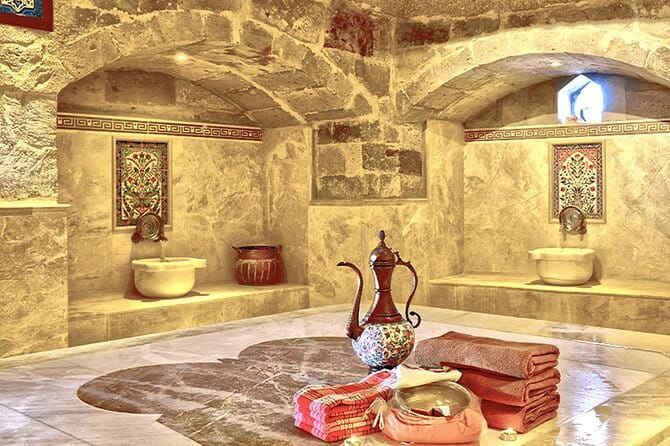
The Abdulaziz-Khan Madrasah gives you one of the most decorative architectural pauses on the route. Built in 1652 during the reign of Abdulaziz Khan, it is noted for detailed tilework and decorative frescoes. Allow about 20 minutes, with admission not included.
The building is a good reminder that Bukhara’s religious schools were also works of public art. Look closely at the surface decoration and let the guide explain what you are seeing. The stop is short, but it can reward a slower eye.
The nearby Ulugbek Madrasah shifts the historical focus. Built by Ulugbek, the grandson of Amir Timur, it is described as one of Bukhara’s oldest buildings. You have about 15 minutes here, and admission is also separate.
Seeing these two madrasahs together is useful. One helps you appreciate later decorative design, while the other connects Bukhara with the Timurid period and Ulugbek’s role as a ruler and patron of learning. You do not need to be an architecture specialist to enjoy the contrast. A good guide can turn the comparison into an easy way to remember the city’s timeline.
The Kalon Minaret and the Poi Kalyan complex

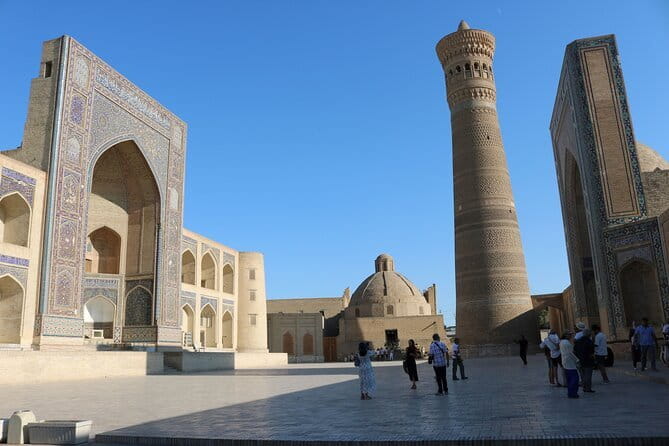
The great reward of the route is the Poi Kalyan area. First comes the Kalon Minaret, built in 1127 under the Karakhanid ruler Arslan Khan. At 47 meters, it is one of Bukhara’s most recognizable landmarks.
The minaret is free to view, and about 20 minutes are planned here. Its height changes the scale of the city around it. After the lower trading domes and enclosed courtyards, this tower gives you a landmark that can orient you across the old center.
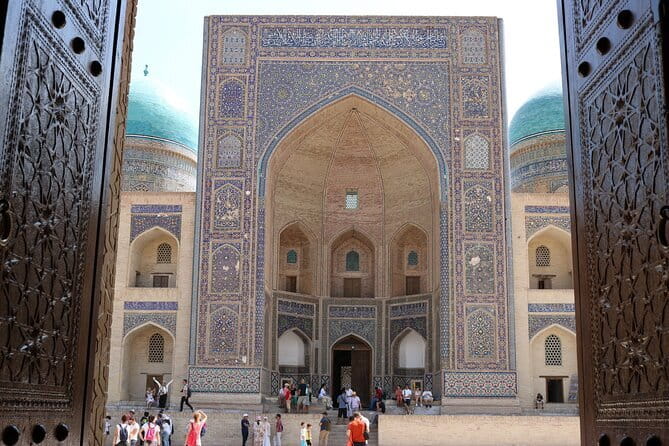
Next is Miri Arab Madrasah, built in the early 16th century by Shaybanid ruler Ubaydullah Khan and named for his spiritual mentor, Sheikh Ab… The supplied details do not complete the mentor’s name, but the building’s religious role is clear. The madrasa remains a key part of Bukhara’s Islamic educational tradition.
Poi Kalyan Mosque completes the group. It was built in the 16th century during the Shaybanid era and forms the mosque, minaret, and madrasa complex that gives the area its name. About 15 minutes are scheduled here, and entry is not included.
This part of the tour can feel rushed if you want extensive interior time. The benefit is coverage: you see all three major parts of Poi Kalyan in a single visit. If this is the place you most want to study, ask your guide how much time is available before the walk begins.
The Ark, Bolo-Hauz, and the city’s royal edge
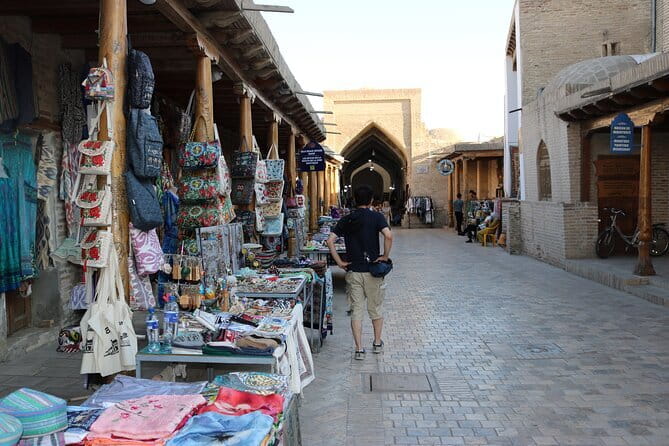
The route then passes the Ark of Bukhara, an ancient fortress dating back to at least the 5th century. It served as a royal residence for the emirs and as a military stronghold. The plan allows about 30 minutes, but this tour views the Ark from outside only.
That limit is important. The Ark museums require about another 1.5 hours, so they are not part of this half-day walk. If the fortress interior is a top priority, you should plan a separate visit rather than expect to enter during this experience.
Bolo-Hauz Mosque follows, with about 15 minutes for a visit. It represents the 18th to 20th centuries and gives the route another change in period and setting. The mosque is free to view according to the tour details.
The late autumn and winter version of the tour ends at Bolo-Hauz Mosque rather than continuing to the Ismail Samani Mausoleum. This seasonal change may shorten the final section, so check the expected ending if the mausoleum is important to you.
Ismail Samani Mausoleum and the final stop

When conditions and the season allow, the walk ends at the Ismail Samani Mausoleum. About 30 minutes are planned here, and admission is not included.
The mausoleum is regarded as an important example of early Islamic architecture and as the oldest funerary building in Central Asian architecture. It is connected with the Samanids, who established their de facto independence in the region.
This final stop gives the tour a different visual finish from Poi Kalyan. The route begins with public squares and later monumental religious buildings, then closes with a compact funerary structure whose importance comes from its age, design, and place in Central Asian architecture. It is a fitting end for anyone who wants more than a parade of later blue-tiled facades.
Guides, group size, and the walking pace
The experience is led by professional English-speaking guides, not trainees or language students. Sunny is described as interactive and good at sharing history, while Nuriddin is described as fluent in English, engaging, flexible, and able to answer questions about traditions and Uzbek habits.
Those details point to the strongest part of the tour: conversation. You can ask why a building mattered, how a custom fits into daily life, or why two madrasahs look different. The guide’s response can make the route feel personal instead of mechanical.
The group limit is 10 people. That is small enough for a guide to keep the group together and hear questions, though the actual size on your date is not stated. The walk lasts about four to four and a half hours, so it suits you best if you want a substantial introduction rather than a quick orientation.
The route is described as suitable for most participants, but no detailed accessibility information is provided. If you need specific support, ask the operator before booking. The tour also depends on good weather and a minimum number of participants. If either condition prevents departure, you are offered another date, another experience, or a full refund.
What the $28 price really covers
The $28 fee includes the professional guide, small-group format, walking tour, and online support. It does not include meals, drinks, or entry fees.
That makes the value depend on how much interpretation you want. If you only want to photograph the main squares, you can walk around parts of Bukhara independently. If you want a clear route through 16 major sights and someone to explain the connection between trade, religion, architecture, and local customs, the price is easier to justify.
Admission costs are the main extra expense to remember. The Magoki-Attori Mosque, Abdulaziz-Khan Madrasah, Ulugbek Madrasah, Poi Kalyan Mosque, Ark, and Ismail Samani Mausoleum are listed as having fees not included. Other stops, including Lyabi-Hauz, the trading domes, the Kalon Minaret, Miri Arab Madrasah, and Bolo-Hauz, are listed as free to visit or view.
Who should book this Bukhara walk?
I would choose this tour if you have one day or less to get oriented in Bukhara and want the major old-city sights arranged in a sensible order. It also suits you if you prefer asking questions about culture and history instead of reading brief signs on your own.
It is a good match for first-time visitors, architecture fans, and anyone who wants an English-speaking guide without paying for a private tour. The craft workshop element should appeal to you if you want to see local work but do not want a tour built around shopping.
I would think twice if you dislike long walks, want a slow museum visit, or mainly want to explore the Ark’s interior. The itinerary covers a lot, and the Ark is exterior-only. You may also prefer a different plan if you want a meal stop built into the schedule, since food and drinks are not included.
Should you book it?
Book this walk if you want a well-packed introduction to Bukhara, a group capped at 10, and a guide who can discuss both monuments and Uzbek daily life. The combination of Lyabi-Hauz, the trading domes, Poi Kalyan, Bolo-Hauz, and the Samanid Mausoleum gives you a strong sense of the city in one morning or afternoon.
Skip it if your priority is extended time inside every monument. For most people, though, $28 is a fair price for four and a half hours of route planning, local explanation, and company through a complicated historic center. Free cancellation is available up to 24 hours before the start time, which gives you some useful flexibility.
FAQ
How long does the Bukhara walking tour last?
The tour lasts about four to four and a half hours.
What language is the tour conducted in?
The tour is conducted in English.
How many people can join the group?
The group has a maximum of 10 travelers.
Where does the tour start?
It starts at Nodir Devonbegi Madrasah on Bakhowuddin Nakshbandi Street in Bukhara.
Where does the tour end?
It normally ends at the Ismail Samani Mausoleum. During late autumn and winter, it ends at Bolo-Hauz Mosque.
Is the Ark Fortress visited inside?
No. The Ark Fortress is shown from the outside only. Visiting its museums would take about another 1.5 hours.
Are admission fees included?
No. Entry fees are not included. Meals and drinks are also separate.
Is this a shopping tour?
No. Artisan workshops are included to show local life and culture, but shopping is not the focus.
Can I cancel for a full refund?
Yes. You can cancel at least 24 hours before the local start time for a full refund. Changes or cancellations made less than 24 hours before the start time are not accepted.
Just added around Bukhara
- Uzbekistan 6 Days Private Tour Khiva-Bukhara-Samarkand by Train★ 5.0 · 4 reviews
- Tashkent-Samarkand-Bukhara tour-3nights/4 days★ 5.0 · 5 reviews
- 6- Day Private Tour to Tashkent, Khiva, Bukhara and Samarkand★ 5.0 · 5 reviews
- Bukhara Walking Tour★ 5.0 · 4 reviews
- Bukhara in a Day History, Culture, and Local Insight Private Tour★ 5.0 · 4 reviews
- Full-Day Private Guided Tour to Islamic 7 Saints of Bukhara★ 4.5 · 3 reviews
- A Complete Chapter To Old Bukhara★ 5.0 · 5 reviews
- 2 Day Ukhum Hiking Tour from Bukhara★ 5.0 · 4 reviews
Walking Tours, compared.
Samarkand One Day Tour: one day walking & group tour
Read our review →
All You Need To Know About Bukhara. A Walk In The Town
Read our review →
Khiva Historical City Highlights Guided Walking Tour
Read our review →
Browse the lists this tour appears in