
Reviewed · HISTORICAL TOURS
Khiva: Historical City Highlights Guided Walking Tour
Khiva’s old city is the kind of place that rewards a guide. Behind Itchan Kala’s mud-brick walls, grand portals, blue tilework, wooden columns, and narrow lanes can blur together unless someone explains what you’re seeing. This four-hour walking tour links the main sights with stories about Khiva’s rulers, saints, customs, and daily life.
I like the route’s strong list of landmarks, especially the Islam Khoja Minaret and the unusual Juma Mosque. I also like the human side of the guiding. Iroda is often praised for clear English, humor, patience, and honest conversations about modern Uzbek life. The main catch is that entrance tickets are not included, so your final cost will be higher than the advertised $19.
At a glance: what makes this walk worthwhile
- Four hours inside Itchan Kala: You get enough time to see the major monuments without reducing the visit to a quick photo stop.
- A useful first look at Khiva: The route covers the Allakuli Khan Madrasah, Islam Khoja Minaret, Pakhlavon Makhmud Mausoleum, Juma Mosque, and the wider old city.
- Guides with a personal touch: Iroda, Bonu, and Shaxzodabonu have received praise for clear English, local stories, and flexible pacing.
- A walking tour with cultural context: The explanations can include Uzbek food, traditions, women’s lives, and present-day customs, not only dates and dynasties.
- Extra ticket cost: Entry fees are paid separately at the start, with the guide helping you arrange access.
- Best for mobile visitors: You should be comfortable walking for several hours over historic streets and entering sites with uneven access.
Why a guide helps in Khiva’s old city
Itchan Kala is compact, but it is not simple. The walled center contains mosques, madrasahs, mausoleums, palaces, minarets, courtyards, and lanes that can look similar at first glance. A self-guided walk lets you admire the setting, but it may leave you wondering which building mattered most and why.
This tour gives the city a clear order. You begin near the Caravan monument or the old-town ticket office, then move through several major sites before finishing at the ticket office or elsewhere in Itchan Kala. That structure is useful on a first visit because you can return later to the places that caught your eye.
The best guides add more than dates. Iroda is frequently praised for linking Khiva’s past with everyday life in Uzbekistan today. She has also helped visitors with restaurant suggestions, local food, souvenirs, and ideas for exploring beyond the main route. Bonu has been praised for taking a small group to quieter corners and adjusting the visit to its interests.
That personal element matters here. Khiva can feel like a grand outdoor museum, but it is also a living city. A guide who explains local traditions, bread, cuisine, and modern concerns gives you a better sense of the people behind the monuments.
More Walking Tours in Khiva
- Khiva Historical City Highlights Guided Walking Tour
★ 5.0 · 30 reviews - Khiva Walking Tour
★ 4.7 · 22 reviews - Khiva Walking Tour
★ 4.5 · 15 reviews
Allakuli Khan Madrasah begins the story
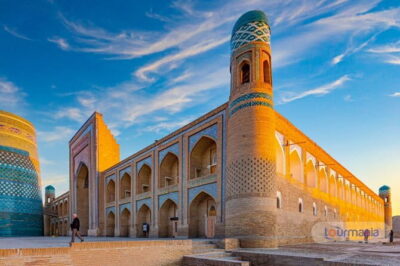
The first formal stop is the Allakuli Khan Madrasah, a 19th-century Islamic school built during the rule of Allakuli Khan. You spend about 20 minutes here with a guided explanation and time for photographs.
This is a useful opening stop because it introduces the architecture you will see throughout Itchan Kala. Pay attention to the entrance portal, decorative tilework, and the way the building frames the street. A guide can help you separate a madrasah from a mosque or mausoleum, which is not always obvious when several historic buildings sit close together.
The short visit also sets the pace. This is a walking tour, not a long lecture in one building. You will hear the main story, look around, and keep moving. If you want to study tile patterns or take careful architectural photographs, tell your guide early so the group can allow time where possible.
Islam Khoja Minaret gives you Khiva’s landmark view
The Islam Khoja Minaret is one of Khiva’s most recognizable structures and receives about 30 minutes on the route. Its tall, tapering form and bands of decoration make it an easy symbol of the city.
This stop is partly about seeing the minaret from ground level and partly about understanding its role in Khiva’s skyline. The guide can explain its place within the religious and civic center of Itchan Kala, while you get time for photographs and a closer look at the surface decoration.
The tour information does not promise a climb to the top, so you should not book this walk expecting guaranteed minaret access or a rooftop panorama. The value here is the explanation and the setting. From the lanes around the minaret, you can see how the monument relates to the surrounding domes, walls, and courtyards.
The stop may also be a good point to ask practical questions about returning later for photographs. Khiva’s light changes quickly, and the minaret looks different when the sun moves across its tiled bands.
Pakhlavon Makhmud Mausoleum adds a quieter mood
The Pakhlavon Makhmud Mausoleum is scheduled for about 20 minutes. It honors Pakhlavon Makhmud, a respected Sufi saint who is also connected with poetry and the local wrestling tradition.
This is a more intimate stop than a towering minaret. Religious buildings ask for a quieter manner, and the guide will help explain the site’s importance without treating it like a simple photo backdrop. Look for the tilework, domed spaces, and details that show how devotion and decoration work together.
You should dress and behave respectfully here. Photography rules can vary inside historic and religious sites, and flash photography is not allowed. A guide can also provide context that a quick visit would miss, especially when the meaning of a mausoleum is less obvious than the shape of a minaret.
More history walks around Khiva:
- Samarkand: Historical Monuments Guided Walking Tour
★ 4.8 · 446 reviews - Bukhara: Historical City Highlights Guided Walking Tour
★ 4.6 · 102 reviews - Tashkent: Historical City Highlights Guided Walking Tour
★ 4.8 · 71 reviews - Samarkand: Historical Monuments Group Walking Tour
★ 5.0 · 29 reviews
Juma Mosque is the architectural surprise
The Juma Mosque receives another 20-minute visit and is one of the most distinctive stops. Its interior is known for a forest of wooden columns, with origins reaching back to the 10th century.
This mosque feels different from the decorated portals and tall tiled monuments outside. The appeal is the calm interior and the repeated rhythm of the columns. Take a moment to look upward and around rather than rushing straight to the next photograph. The woodwork, spacing, and subdued atmosphere give you a different picture of Khiva’s religious architecture.
Twenty minutes is enough for an introduction, but it is not a long study visit. If historic construction methods interest you, ask how the columns were made, repaired, and arranged. The guide’s explanation is what turns an attractive interior into a place with a story.
Itchan Kala ties the route together
The wider Itchan Kala visit is listed at about 40 minutes, with walking, sightseeing, and guided stops among the old city’s streets and buildings. In practice, this is where the separate monuments begin to make sense as one historic center.
You will walk through lanes framed by earthen walls, decorated facades, domes, and carved doors. The route is not only about entering famous buildings. It is also about seeing how the monuments sit together and how the old city was planned.
This part is especially useful for orientation. Your guide can point out places worth returning to, explain how the ticket system works, and suggest where to eat or continue exploring. Several guides have also adjusted the pace when groups wanted more time at one sight or preferred to move on.
Do not expect every corner of Itchan Kala to receive a long explanation. Four hours sounds generous, but the city has many sights and the group must keep moving. One four-star assessment noted that the final stops felt rushed when buildings were close to closing. Starting earlier may help if your available time allows it, especially if you want detailed visits rather than a broad introduction.
The $19 price needs one important adjustment
At $19 per person, the guiding fee is attractive for a four-hour private or small-group walking experience. You are paying for a local guide, route planning, language support, and help understanding the old city rather than simply following a map.
The entrance tickets are extra. You buy them at the start of the tour, with assistance from the guide. One booking review described the added museum and monument cost as roughly €20 per person, but prices can change, so check the amount locally before you begin.
That extra charge is not a minor footnote if you are building a tight budget. Still, you would likely want access to the principal museums and monuments even without a guide, so compare the full cost with the time and confusion saved. At the advertised guiding price, the tour offers good value if you want the main sights explained in one half-day.
The private or small-group format also matters. A small group gives you a better chance to ask about architecture, food, local customs, or current life in Uzbekistan. It can also make it easier for the guide to adjust the pace.
What the guides add to the experience
Iroda is the name most often associated with this route. She is praised for strong English, clear explanations, patience, humor, and the ability to answer questions without making the walk feel like a school lesson. Several accounts describe her as willing to discuss both old Khiva and modern Uzbek life.
That includes subjects such as local cuisine, women’s lives, traditions, and daily routines. This is valuable because Khiva’s monuments can otherwise feel disconnected from the country you see outside the walls.
Bonu has also been praised for a friendly, professional approach and for adapting the route to the group. Shaxzodabonu has been described as funny, well prepared, and comfortable speaking English. Since the exact guide depends on the booking, you should treat these names as examples, not a guarantee.
There is one useful caution. One four-star assessment found the guide’s historical explanation too focused on key dates and not detailed enough. That is a reminder to ask questions. If you want stories about rulers, religion, construction, and local legends, say so at the beginning rather than silently hoping for a particular style.
Walking conditions and practical preparation
You should wear comfortable walking shoes. The tour lasts four hours and includes repeated movement between sites, with standing during explanations and time outdoors.
Khiva can be hot, dry, or windy depending on the season. Bring water, sunscreen, and a hat in warmer months, and be ready for changing weather at other times. There is no scheduled coffee break, and one visitor specifically wished for a short stop during the long walk, so plan accordingly.
The route is not suitable for wheelchair users or people with mobility impairments. Historic buildings may have uneven surfaces, steps, or difficult access. Ask about the exact conditions before booking if walking is a concern.
Photography is allowed, but flash is prohibited inside certain sites. Respectful clothing and behavior are appropriate at religious buildings, particularly the Pakhlavon Makhmud Mausoleum and Juma Mosque.
The meeting point can be the Caravan monument or the old-town ticket office, depending on the option you book. Add your WhatsApp number when booking, since the operator uses it for contact and meeting details.
Who should book this Khiva walking tour
I would choose this tour for a first visit to Khiva, especially if you have only one day in the old city. It covers the core sights efficiently and gives you enough background to return later on your own.
It also suits you if you enjoy conversation as much as architecture. The strongest guiding style here connects buildings with Uzbek food, customs, personal experience, and present-day life. That makes the tour more useful than a list of construction dates.
You may want a different option if you prefer to wander alone, spend long stretches photographing one facade, or avoid extra admission costs. You should also consider a shorter walk if four hours on foot sounds tiring.
Free cancellation up to 24 hours before the start and reserve-now, pay-later booking make the plan fairly flexible. Languages offered are English, Uzbek, and Russian.
Should you book it?
Yes, if you want a well-organized first look at Itchan Kala and appreciate a guide who can explain both monuments and modern Uzbek culture. The combination of the Islam Khoja Minaret, Juma Mosque, Pakhlavon Makhmud Mausoleum, and Allakuli Khan Madrasah gives you a solid introduction to Khiva for $19, before admission fees.
Book with realistic expectations about the ticket cost and walking pace. If possible, choose an earlier start to reduce the risk of rushing near closing time, and tell the guide whether you want more history, more photographs, or more local-life conversation. For most visitors, that small amount of planning should turn a beautiful old city into a much more understandable one.
FAQ
How long does the Khiva walking tour last?
The tour lasts four hours.
What sites are visited?
The route includes the Allakuli Khan Madrasah, Islam Khoja Minaret, Pakhlavon Makhmud Mausoleum, Juma Mosque, and Itchan Kala.
Are entrance tickets included in the $19 price?
No. Entrance tickets are paid separately at the start of the tour, and the guide assists with the purchase.
Where does the tour begin?
The starting point may be the Caravan monument or the ticket office of Khiva old town, depending on the option booked.
Where does the tour finish?
The drop-off point may be the ticket office of Khiva old town or Itchan Kala.
What languages are available?
Live guiding is available in English, Uzbek, and Russian.
Is the tour private or shared?
Private and small-group options are available.
Is the tour suitable for wheelchair users?
No. The activity is not suitable for wheelchair users or people with mobility impairments.
What should I bring?
Wear comfortable walking shoes and prepare for changing weather. Water, sunscreen, and a hat are recommended in warmer months. Flash photography is not allowed inside certain sites.
More Guided Tours in Khiva
- Guided Tour To Old Fortresses
★ 5.0 · 25 reviews - Old Khiva Stories with Your Local Guide
★ 5.0 · 5 reviews - Samarkand: Shahrisabz Day Trip with Optional Local Guide
★ 4.9 · 81 reviews - Guide / excursion service in Samarkand
★ 5.0 · 57 reviews
More City Tours in Khiva
- Private Samarkand City Tour With Transportation
★ 5.0 · 149 reviews - A City Tour Of Samarkand: The Pearl Of The East
★ 5.0 · 133 reviews - Tashkent City Tour
★ 5.0 · 121 reviews - City Tour Around Bukhara
★ 5.0 · 55 reviews
Just added around Khiva
- Uzbekistan 6 Days Private Tour Khiva-Bukhara-Samarkand by Train★ 5.0 · 4 reviews
- Traditional Khiva Cooking Class with Market Visit & Lunch★ 5.0 · 4 reviews
- 6- Day Private Tour to Tashkent, Khiva, Bukhara and Samarkand★ 5.0 · 5 reviews
- Master Class – Uzbek Bread (Khiva)★ 3.5 · 4 reviews
- Old Khiva Stories with Your Local Guide★ 5.0 · 5 reviews
- A Night In The Kyzylkum Desert [2] From Khiva★ 4.5 · 3 reviews
- Khorezm Fortress and KyzylKum Desert Private Tour★ 5.0 · 3 reviews
- Best of Khiva: Exclusive Private Tour!★ 5.0 · 3 reviews
Historical Tours, compared.
Khiva Historical City Highlights Guided Walking Tour
Read our review →
Samarkand Historical City Highlights Guided Walking Tour
Read our review →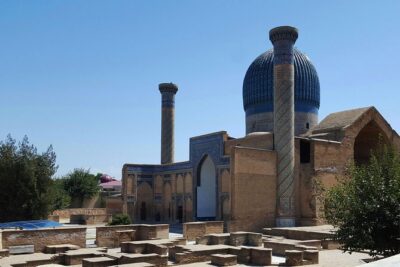
Private Guided Tour Samarkand city history and culture
Read our review →
Bukhara Historical City Highlights Guided Walking Tour
Read our review →Browse the lists this tour appears in