
Reviewed · ANCIENT FORTRESS TOURS
Transfer: Bukhara – Khiva via Ancient Fortresses
The best part of this Bukhara to Khiva transfer is that the long road becomes the destination. Instead of spending nine hours simply watching the desert pass, you stop at three striking fortresses from the ancient Khorezm Oasis, including Toprakkala, once a capital, and Ayazkala, a huge defensive complex.
I like two things here: you get private door-to-door transport and a rare look at Uzbekistan beyond the usual city centers. Drivers such as Pavlik, Jasur, Ali, and Ulugbek have earned praise for safe driving and good English or Russian explanations. The main drawback is the long day, with rough, exposed sites and separate entrance fees of about 1 to 2 USD per monument.
Key points to know before booking
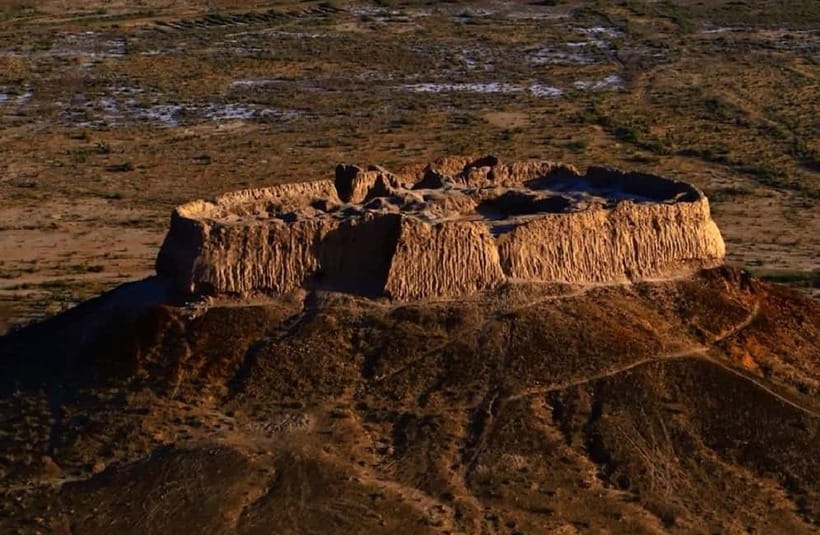
- Toprakkala was an ancient capital: See the fortress linked with early Khorezmian city planning, written records, a calendar, and plaster figures of singers.
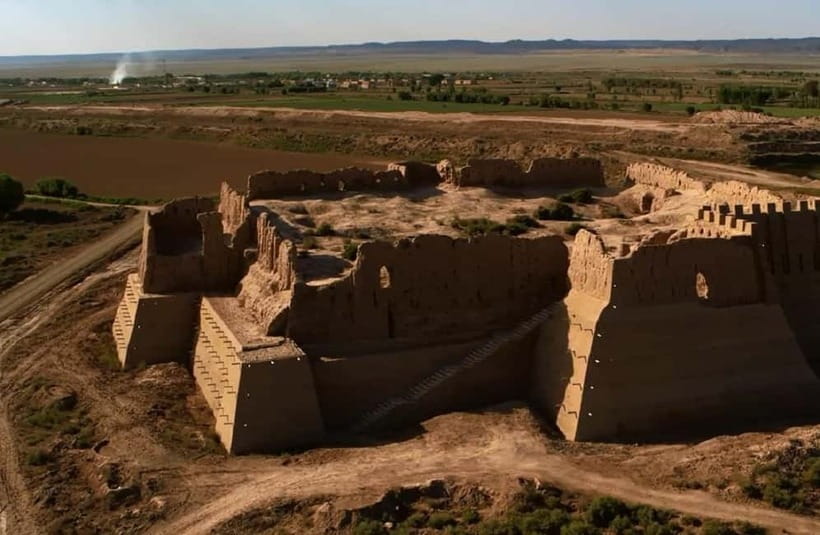
- Ayazkala comes in three parts: This remote defensive complex shows how the oasis protected itself from raids arriving from the north.
- Kizilkala is a quick but worthwhile stop: Its red clay gives the garrison fortress its name and adds variety to the route.
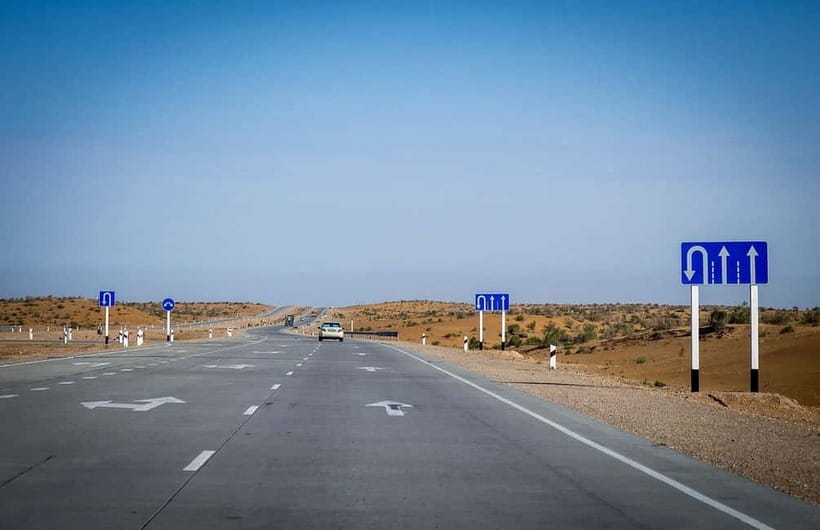
- The desert road is part of the experience: You cross the Kyzylkum Desert and get wide, stark views between the archaeological sites.
- The driver matters: Recent trips praise Pavlik, Jasur, Ali, and Ulugbek for safe driving, English skills, and helpful explanations.
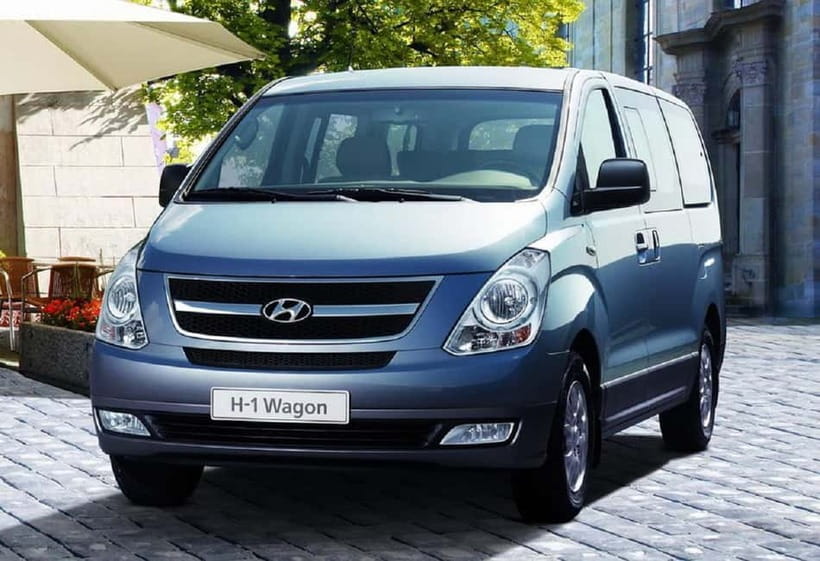
- Check the vehicle size: The offer is listed for a private group of up to three, while one booking for six used a spacious minivan.
Why this transfer makes sense
Bukhara and Khiva are separated by a long road. If you take this trip only as transport, much of the day becomes a practical chore. This experience gives the drive a clear purpose: you cross the desert while visiting the remains of a civilization that once controlled the Khorezm Oasis.
I like this approach because it saves you from arranging a separate trip from Khiva to the fortresses. You also avoid returning to Bukhara after the sightseeing. By the end of the day, you are already at your Khiva hotel.
The route runs from Bukhara to Toprakkala, then Kizilkala, Ayazkala, and Khiva. The stated duration is about nine hours, though the exact pace depends on road conditions, the time spent at each site, and your lunch stop. It is a full day, not a relaxed transfer with a few casual photo breaks.
The experience is private, so you can ask questions, adjust your pace within reason, and keep the day focused on your own group. The driver languages are English and Russian. That is important here, since these fortresses are mainly atmospheric ruins rather than fully interpreted museum sites.
More desert fortress trips from Khiva:
- Daytrip From Khiva To Ancient Fortresses
★ 4.6 · 60 reviews - Private Daytrip to 7 Ancient Fortresses of Khorezm
★ 5.0 · 25 reviews - Guided Tour To Old Fortresses
★ 5.0 · 25 reviews
Crossing the Kyzylkum Desert
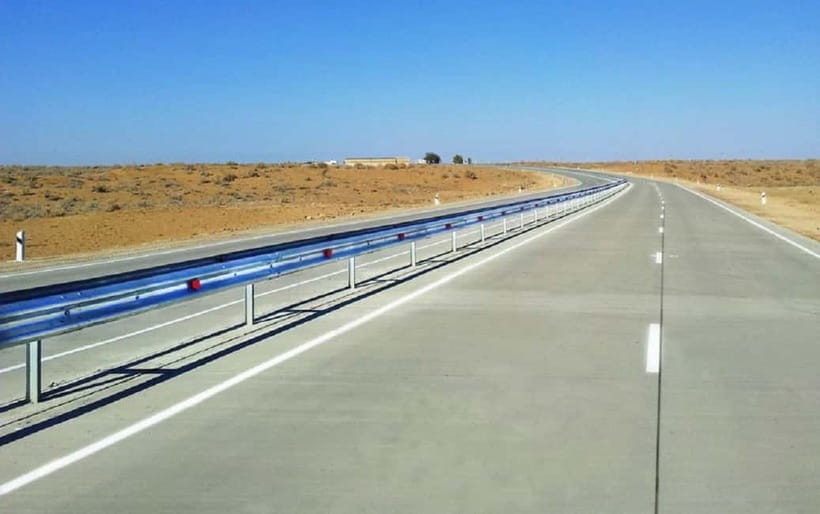
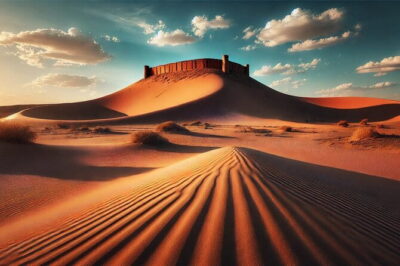
The road between Bukhara and Khiva takes you through the Kyzylkum Desert. The scenery is spare and open, with the ancient fortresses appearing as strong shapes against the steppe. This is not a route for people seeking constant activity, but it gives you a sense of the distance and exposure that shaped life in the oasis.
Bring water, sunglasses, comfortable clothes, and sturdy shoes. The instructions specifically ask you to stay hydrated, and that is good advice. The sites are outdoors, and the combination of sun, wind, dust, and walking can wear you down before the day is over.
Clothing matters most in winter. Ayazkala’s name is translated as Severe Frost Fortress, a reminder that the steppe can become intensely cold. Wear warm layers if you travel in winter. In hotter periods, light clothing, sun protection, and water will make the stops much easier.
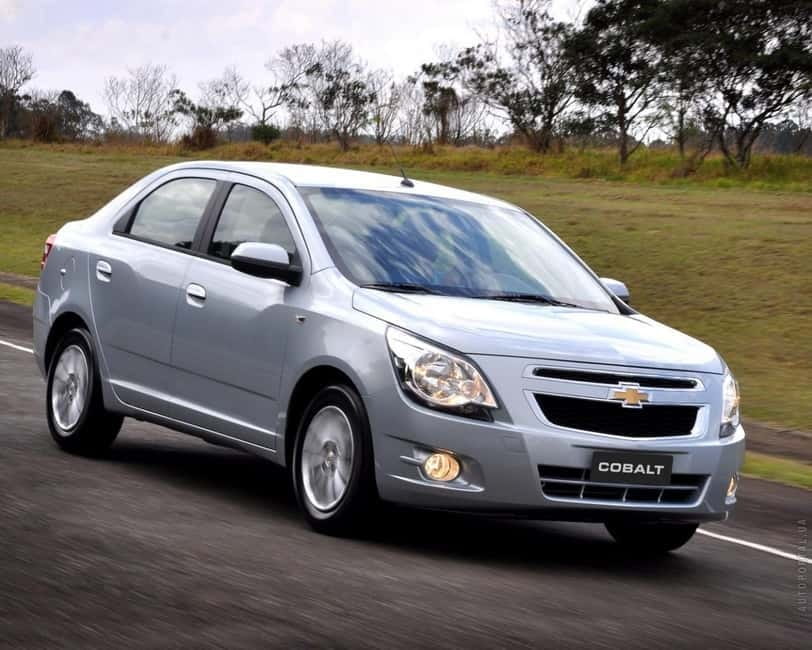
The vehicle has air conditioning, which matters on a long road day. Drinks and food are not allowed in the vehicle, so plan to keep your water and snacks for the scheduled stops rather than expecting to eat on the way.
Toprakkala, the former capital
Toprakkala is the first major fortress on the route and probably the most important stop for understanding ancient Khorezm. Its name means Clay Fortress, and its remains are tied to the first known examples of planned city layouts in the area.
The site is also important for the discoveries made there. Archaeologists found early written sources from Khorezm, a calendar, and plaster figures of singers. Those details give Toprakkala more weight than a simple ruined wall. You are looking at a place connected with government, record keeping, urban planning, and court or religious life.
Do not expect a restored city. The appeal is in the broad form of the fortress and the clues left in its ruins. You will need to use your imagination, and the driver’s explanation can help you see why the site mattered.
Toprakkala is a good first stop because it introduces the scale of the oasis before you reach Ayazkala. I would allow time to walk carefully, look across the surrounding plain, and take photographs from several angles. Comfortable shoes are essential because the surfaces around ancient sites can be uneven.
Kizilkala, the Red Fortress
Kizilkala is described as a garrison fortress, and its red clay gives it the name Red Fortress. Compared with Toprakkala and Ayazkala, it may feel like a shorter stop, but it adds an important military piece to the day.
The fortresses of the Khorezm Oasis were not placed randomly. They helped protect the settled oasis from raids by nomadic groups arriving from the north. Kizilkala lets you see that defensive system on a smaller scale, with the color of the clay making it visually different from the other ruins.
This is also a useful point in the day for photographs. The fortress has a strong contrast with the open desert around it. If you are interested in ancient military sites, pay attention to its position and form rather than expecting rooms furnished with objects.
The information provided does not set a fixed length of stay at each fortress. That gives the driver some flexibility, but it also means you should ask early if you want more time at one site. The total journey still has to reach Khiva on schedule.
More transfers between the Silk Road cities:
- Tranfer Khiva – Bukhara via Ancient Fortresses
★ 4.8 · 24 reviews - Transfer from Khiva to Bukhara by Fortresses
★ 5.0 · 11 reviews - Private Bukhara-Khiva Transfer via Ancient Fortresses
★ 4.5 · 8 reviews - Private Transfer & Photo‑Stops: Ayaz‑Kala & Toprak‑Kala”
★ 4.6 · 6 reviews
Ayazkala and its three fortresses
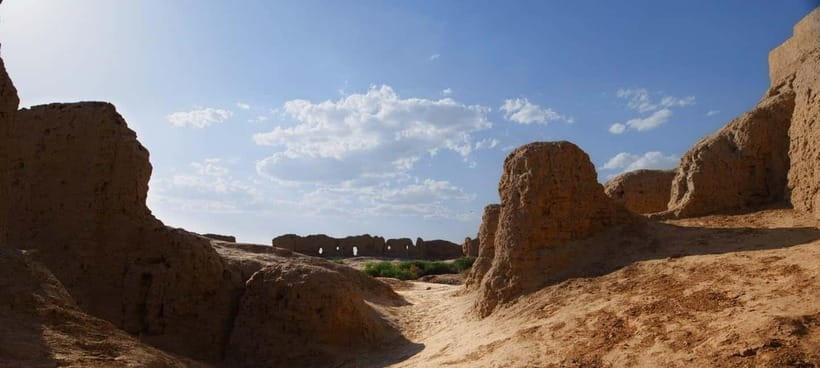
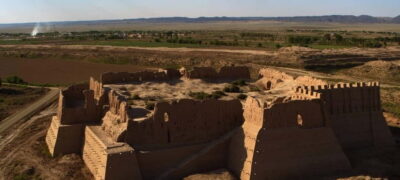
Ayazkala is the major stop of the route. The complex consists of three parts and is described as one of the most remote, organized, and well-protected fortress groups in the oasis.
Its position helps explain its purpose. These fortresses formed part of the defensive perimeter, guarding the oasis against raids from the north. You get a clearer sense here of how the ancient settlement system worked: cities and garrisons were tied to the open steppe, with watch points and fortified positions marking the edge of cultivated life.
Ayazkala is also the place where the harshness of the setting becomes most obvious. The name Severe Frost Fortress refers to the bitter cold of winter. In warm weather, the open views and dry air create a powerful setting. In winter, the same openness can make the stop cold and demanding, so bring proper layers.
Give yourself time here, but keep your energy in reserve for the rest of the drive. The ruins are remote and exposed. You will want to walk, look around, and take photographs, yet there is little shelter from the elements.
The three-part layout makes Ayazkala more than a single ruined stronghold. It gives you a better idea of the scale of the ancient defense network. If you have time for only one major fortress on another visit, this is the stop I would prioritize.
The driver can shape the whole day
On a transfer like this, the driver is not just behind the wheel. The road is long, and the sites do not always explain themselves, so a driver who can point out features and answer questions adds real value.
Pavlik has been praised for good English, for showing the ancient sites clearly, and for choosing a yurt camp for lunch on one trip. Jasur has been praised for safe driving, comfortable transport, and explanations before each stop. Ali received similar praise for being kind and helpful during the long drive. Ulugbek, whose name may be spelled differently, was singled out for friendly conversation, useful information, and moderate, careful driving in demanding traffic.
Those details matter more than polished sales language. A safe driver makes the nine-hour route much easier. Clear explanations also help you understand why a mound of clay and broken walls deserve several hours of your day.
The service is advertised with English and Russian-speaking drivers. Actual language ability can vary by driver, so if detailed English guiding is important to you, confirm it when booking. One recent booking also praised the minivan as comfortable and spacious for six people, but the stated standard group size is up to three. Confirm your vehicle if your party is larger than three.
Lunch and the long arrival in Khiva
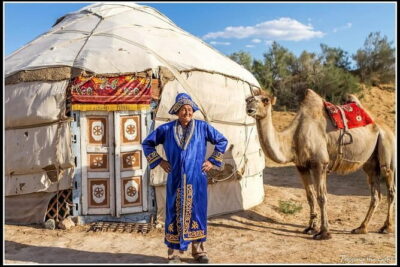
Lunch is described as an estimated stop rather than a fixed restaurant arrangement. One trip stopped at a yurt camp, which gave the day a more local and unusual break from the road. You should not treat that specific lunch location as guaranteed, but you can expect a planned pause somewhere along the route.
Because food and drinks are not allowed in the vehicle, use the lunch stop to eat and refill your water. Bring your own water for the road. The instructions also ask you to avoid drinks in the vehicle, so keep that rule in mind when packing.
The timing aims to bring you to Khiva after the fortress visits, with drop-off at your hotel. Several trips reached Khiva on time, but this remains a long road day. Weather, traffic, time at the sites, and the lunch stop can affect the arrival.
If you have an evening reservation or a train connection, leave a generous buffer. The service is best when you see it as a full sightseeing day that ends in Khiva, not as a tightly timed taxi ride.
Price, group size, and overall value
The price is 160 USD per private group of up to three people. That works out to about 53 USD per person for three, before entrance tickets and personal expenses. For two people, the per-person cost is higher, but you still receive a private vehicle, hotel pickup, hotel drop-off, air conditioning, and visits to three major fortress sites.
Entrance tickets are not included. The expected cost is about 1 to 2 USD per monument per person, so budget a small amount of local cash for Toprakkala, Kizilkala, and Ayazkala. The listing also says all fees and taxes are included, which appears to refer to the service fees rather than the separate monument tickets.
This is good value if you already need to travel from Bukhara to Khiva. You are adding the fortresses to a necessary transfer instead of paying for another outing from Khiva. The value is less clear if you dislike long drives, outdoor ruins, or spending most of a day on the road.
The private format is especially useful for couples, families, or small groups who prefer not to wait for a larger coach. If your party has four to six people, ask about the vehicle before paying. A comfortable minivan may be available, but the published price and group limit need clarification.
Who should book this route?
I would recommend this transfer to anyone interested in archaeology, desert scenery, and the older layers of Uzbekistan. It is also a smart choice for a first visit when you want to connect Bukhara and Khiva without losing a full day to simple transport.
You should be comfortable with walking outdoors and sitting in a vehicle for many hours. The fortresses are not polished attractions with extensive indoor displays. Their power comes from the setting, scale, age, and the work your imagination does when you look across the old walls.
This is less suitable if you need a slow travel day, have limited mobility, or want a tightly timed arrival in Khiva. The experience is listed as wheelchair accessible, but the fortress terrain may still require you to confirm exactly what access means for your needs.
Free cancellation is available up to 24 hours in advance, and you can reserve while paying later. Those terms help if your Uzbekistan schedule is still changing, but they do not remove the need to confirm the vehicle, language, pickup time, and group size.
Should you book the Bukhara to Khiva fortress transfer?
Book it if you have a full day available and want your journey to Khiva to include something unusual. Toprakkala, Kizilkala, and Ayazkala give you a much stronger sense of ancient Khorezm than a direct transfer would, and the private format keeps the day simple.
Skip it if you want the fastest route, dislike desert heat or winter cold, or need a guaranteed early arrival. Before booking, confirm the size of your group, the vehicle, the driver language, and the expected lunch arrangement. With those details settled, this is one of the more useful ways to connect Bukhara and Khiva.
FAQ
How long does the transfer from Bukhara to Khiva take?
The activity is scheduled for about nine hours, including the fortress visits and an estimated lunch stop.
Which fortresses are included?
The route includes Toprakkala, Kizilkala, and Ayazkala, followed by drop-off at your hotel in Khiva.
Is hotel pickup and drop-off included?
Yes. Pickup is provided from your Bukhara hotel, and drop-off is provided at your hotel in Khiva. You should wait in the hotel lobby five minutes before the scheduled pickup time.
What languages does the driver speak?
Drivers are listed as speaking English and Russian. Drivers named in recent bookings include Pavlik, Jasur, Ali, and Ulugbek.
How much are the entrance tickets?
Entrance tickets are not included. The expected cost is about 1 to 2 USD per monument per person.
Is the vehicle air-conditioned?
Yes. An air-conditioned vehicle is included. One booking for six people used a comfortable and spacious minivan, but the published private group size is up to three, so larger groups should confirm the vehicle in advance.
What should I bring?
Bring comfortable shoes, sunglasses, comfortable clothing, warm clothing in winter, a camera, and your own drinking water. The activity is a full day outdoors and on the road, and food and drinks are not allowed in the vehicle.
Just added around Khiva
- Traditional Khiva Cooking Class with Market Visit & Lunch★ 5.0 · 4 reviews
- Uzbekistan 6 Days Private Tour Khiva-Bukhara-Samarkand by Train★ 5.0 · 4 reviews
- 6- Day Private Tour to Tashkent, Khiva, Bukhara and Samarkand★ 5.0 · 5 reviews
- Master Class – Uzbek Bread (Khiva)★ 3.5 · 4 reviews
- Old Khiva Stories with Your Local Guide★ 5.0 · 5 reviews
- A Night In The Kyzylkum Desert [2] From Khiva★ 4.5 · 3 reviews
- Khorezm Fortress and KyzylKum Desert Private Tour★ 5.0 · 3 reviews
- Best of Khiva: Exclusive Private Tour!★ 5.0 · 3 reviews
Ancient Fortress Tours, compared.
Daytrip From Khiva to Savitsky Museum & Mizdakhan & Chilpik
Read our review →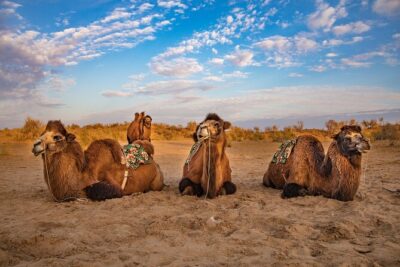

Private Bukhara-Khiva Transfer via Ancient Fortresses
Read our review →Browse the lists this tour appears in