
Reviewed · DESERT YURT CAMPS
Yurt Camp Tour with Night from Bukhara
The best part of this two-day outing is the sharp change of pace. You leave Bukhara’s streets behind and spend the night beside Aydarkul Lake, where sunset, desert silence, and a clear view of the Milky Way replace city noise. I especially like the lake stop and the simple evening around the campfire, with songs and dancing from local performers. The main caution is that the experience can feel more like transport to a tourist camp than a fully guided cultural tour, especially if your driver does not speak English.
I also like the mix of stops along the road: an old caravanserai, petroglyphs, Nurota’s historic complex, and a camel ride before dinner. At $215 per person, the price makes better sense for a private trip with transport, meals, and a yurt than for a basic overnight camp stay. Still, ask clearly about your guide’s language and the condition of the yurt before booking.
Key points to know before you go
- A long but worthwhile road day: The drive from Bukhara to the camp takes about four to five hours, with stops at Navai, Sarmish, Nurota, and the lake.
- Aydarkul Lake is the star: You can eat lunch beside the water and swim when weather permits. A shower at camp helps remove the lake’s salt and mud.
- The evening is simple and social: Dinner, camel riding, sunset, folk songs, dancing, and a campfire fill the main part of the night.
- Guide language matters: English and Russian are listed, but some bookings have included only a friendly driver with little or no English.
- Expect basic camping: Electricity is available for charging devices, but the camp is not a luxury hotel. Yurt quality may vary.
- The private format adds value: You get hotel, airport, or railway-station pickup and can finish in Bukhara or continue to Samarkand.
Leaving Bukhara for the Aydarkul desert
The trip begins with pickup from your hotel, railway station, or airport in Bukhara. You should be ready in the lobby about five minutes before the agreed time, then settle in for roughly 270 kilometers of road.
This is not a quick transfer with a single attraction at the end. The road day is part of the experience, with planned photo stops and visits to places connected to old trade routes, local religious history, and prehistoric rock art. You spend several hours in an air-conditioned vehicle, so the quality of the car and the driver’s pace matter.
The private format is useful here. You are not tied to a large group, and the route can feel less tiring when stops are handled at a reasonable pace. The tradeoff is that a private vehicle does not always mean a private guide. Several bookings have had a driver who was kind and safe but did not speak English, and in some areas weak internet made translation apps hard to use.
If learning about each site is important to you, confirm the language arrangement before paying. A driver can get you from Bukhara to the camp, but that is not the same as having someone explain what you are seeing.
More yurt camp nights out of Bukhara:
- Desert yurt camp and Mountain tour – 3 days
★ 4.5 · 15 reviews - Desert Yurt Camp tour – 2 days (shared)
★ 4.5 · 13 reviews - Yurt stay and Hiking in the Nurata Mountains tour – 2 days
★ 5.0 · 35 reviews
Navai and the old water system
The first notable stop is Navai, where you can see a 14th-century caravanserai and a nearby underground reservoir. The caravanserai connects the route to the old movement of merchants and animals across Central Asia. It is a useful reminder that this desert was never simply empty space. It was crossed, supplied, and carefully managed.
The underground reservoir is especially practical to see because water was the key problem on these routes. Rainwater and melting snow flowed into the structure, helping support people and animals in a dry region.
Your stop here is likely brief, so do not expect a long archaeological visit or a detailed lecture. You will get the most from it if you take time for photographs and ask your guide or driver what remains original. If communication is limited, the site is still interesting, but the meaning behind it may be harder to grasp.
Sarmish petroglyphs on the hillside
The route continues toward Sarmish, where petroglyphs appear on a small hill. The rock drawings show animals and offer a glimpse of people who used this region long before the modern towns and roads.
This stop adds variety to the day. After the caravanserai and waterworks, you are looking at marks made directly into stone rather than built remains. Wear proper walking shoes because the visit involves a small hill, uneven ground, and outdoor exposure. Sport shoes or hiking boots are a sensible choice.
The available information does not promise a full guided archaeological walk, so set your expectations accordingly. You might see the carvings and take photographs without receiving much interpretation. That is another reason the guide’s language and knowledge matter when you compare this trip with other options.
Nurota’s mosques, fish pond, and ancient citadel
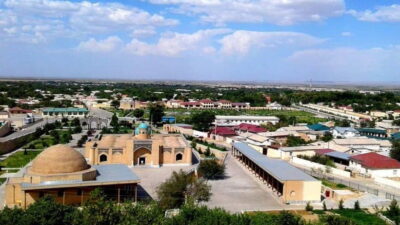
Nurota brings the most concentrated collection of historic sights on the route. The complex includes ruins traditionally linked to a citadel attributed to Alexander the Great, along with two 16th-century mosques.
In the center is a pond filled with fish. Fishing is forbidden, so this is a place to look rather than interact with the animals. The setting gives the stop a calm change of mood after the long drive and open desert roads.
Nurota is also a useful midpoint for judging the quality of your guide. There are several details worth explaining, including the connection to Alexander, the later mosques, and the role of water in the town. If your driver speaks little English, you may see the main sights but miss much of the background.
The return route includes Nurota again, depending on how the schedule is handled. One booking missed a planned stop, apparently because the driver had not been given the full program. Keep a copy of the promised route on your phone and check the day’s plan at the start.
More things to do in Bukhara:
- Bukhara: Historical City Highlights Guided Walking Tour
★ 4.6 · 102 reviews - Transfer: Bukhara – Khiva via Ancient Fortresses
★ 4.5 · 101 reviews - Best of Bukhara: All Day Private Old Town Tour
★ 5.0 · 66 reviews - Best of Bukhara: All Day Private Old Town Tour
★ 4.9 · 62 reviews
Lunch beside Aydarkul Lake
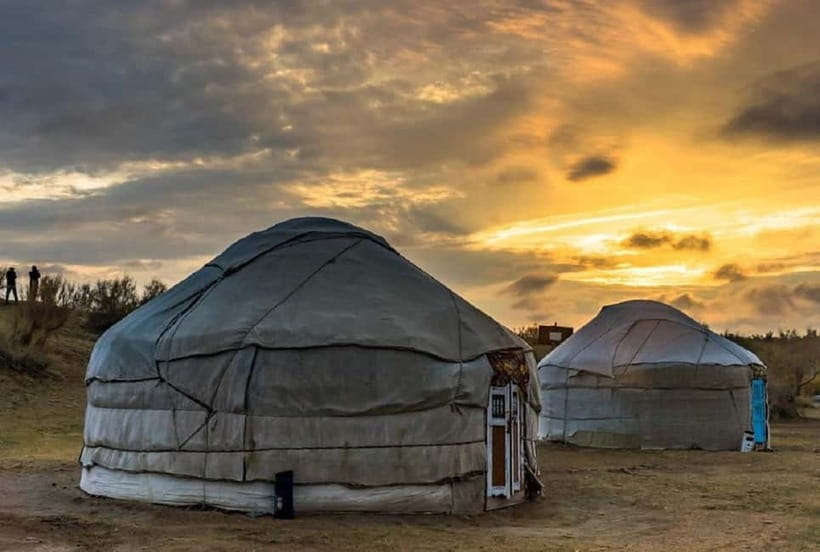
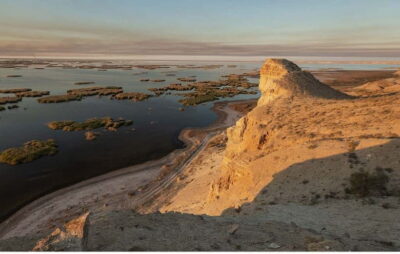
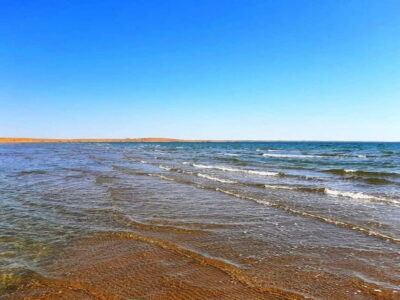
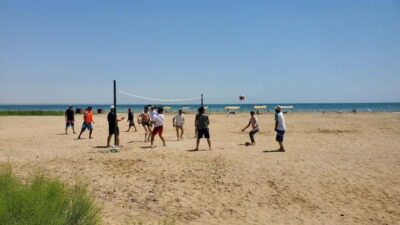
The arrival at Aydarkul Lake is the trip’s big change of scenery. Lunch is served by the shore, and you can swim if the weather is suitable. The lake water is described as safe for swimming, with roughly 1.5 to 2 percent salt and some mud.
Bring a swimsuit, towel, sunscreen, sunglasses, and a hat if you want to enter the water. The lake is not just a photo stop. Swimming gives you a real reason to pause after the long drive, though conditions and temperatures will control how enjoyable it feels.
You can rinse off afterward at the camp, where a fresh shower is available to remove salt and mud. That small detail makes the lake stop much more practical. Without a shower, a swim before an overnight yurt stay could leave you sticky and uncomfortable.
Do not expect a resort beach. This is an outdoor lake stop in a remote area, and the appeal comes from open space and quiet rather than polished facilities. The combination of lunch and swimming is one of the strongest parts of the price, especially if you enjoy simple outdoor stops more than formal sightseeing.
Camel riding before sunset
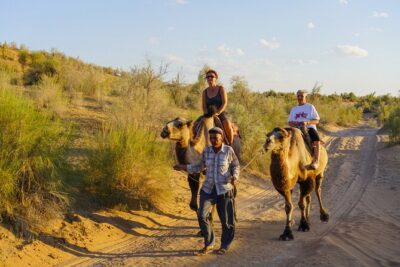
At the yurt camp, camel riding is available while dinner is prepared. The ride is one of the clearest ways to connect the setting with the old desert routes you have been following all day.
The ride appears to be a short camp activity rather than a long expedition. It is still a memorable photo opportunity, especially with the dunes and evening light around you. Tips are welcome, and you should carry a little cash if you want to offer one.
A practical note: the camel activity has not always felt fully relaxed for everyone. Some bookings included a request for tips that felt too direct. You can decide in advance what you are comfortable giving, and you should not treat a tip as part of the advertised price.
Sunset, dinner, and a night under canvas
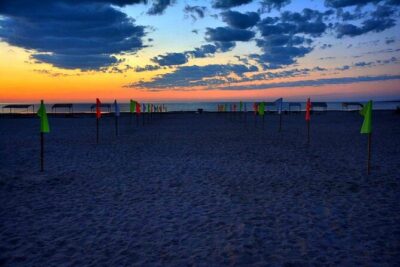
The camp’s main event begins as the sun drops. You can watch the desert light change, then eat dinner and sit around a campfire with local songs and dancing.
This is a simple evening, not a staged luxury show. The atmosphere depends on the camp staff, the number of people staying there, and the weather. On a good night, clapping along to music and watching the sky become dark can be the most memorable part of the trip. On a cold or windy night, the same camp can feel exposed and quiet.
The Milky Way is another major reason to stay overnight. Clear skies give you a better chance to see it than you would have in Bukhara, but cloud cover and weather always matter. The tour cannot guarantee perfect stars. Bring warm layers in early spring and late autumn, when desert temperatures can fall sharply after sunset.
The advertised evening does not include a long program of organized activities. Once the camel ride, meal, music, and dancing finish, you may simply sit outside, walk near the camp, or look at the sky. That is a plus if you want stillness. It is a drawback if you need constant entertainment.
What sleeping in the yurt is really like
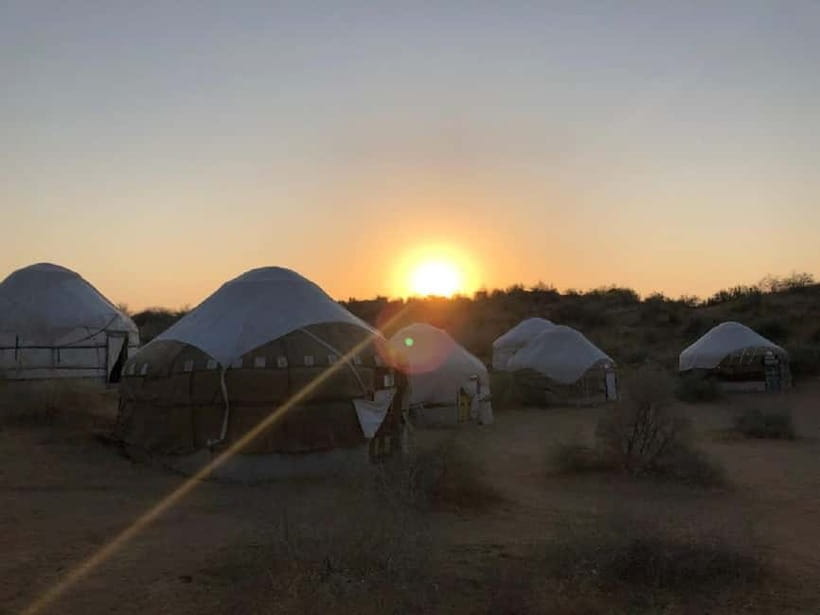
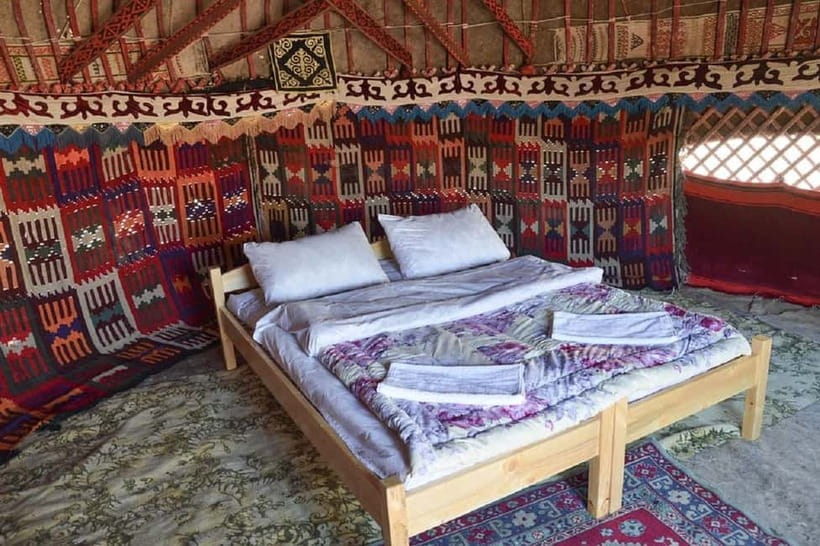
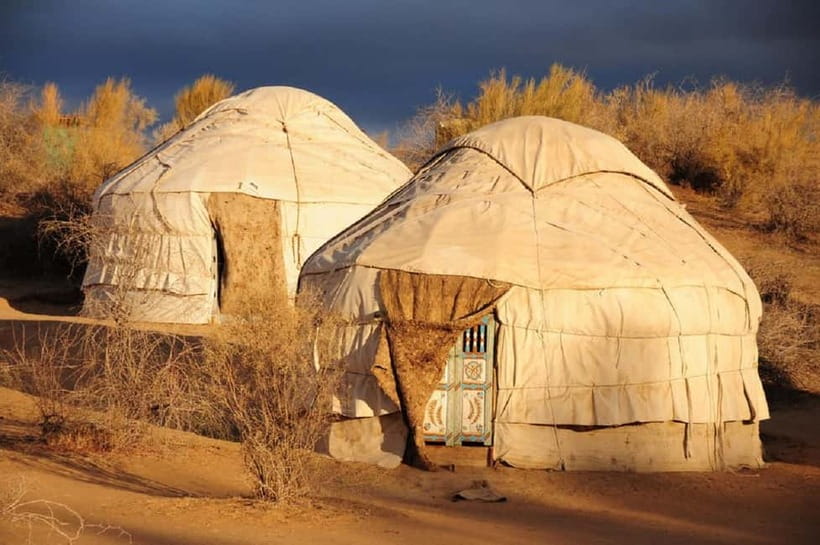
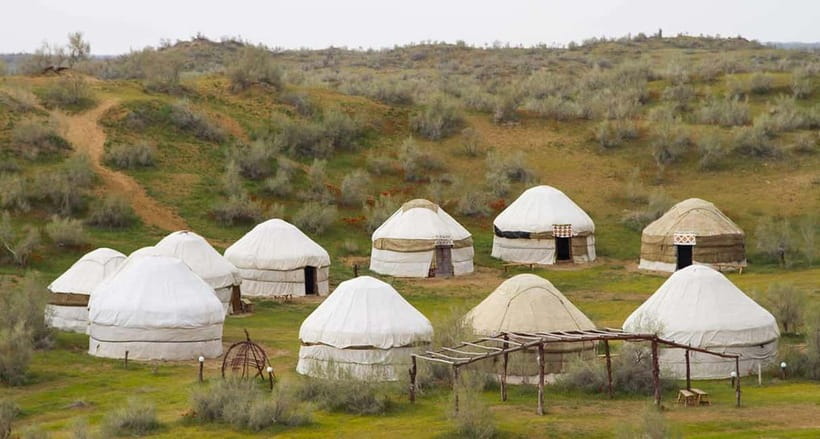
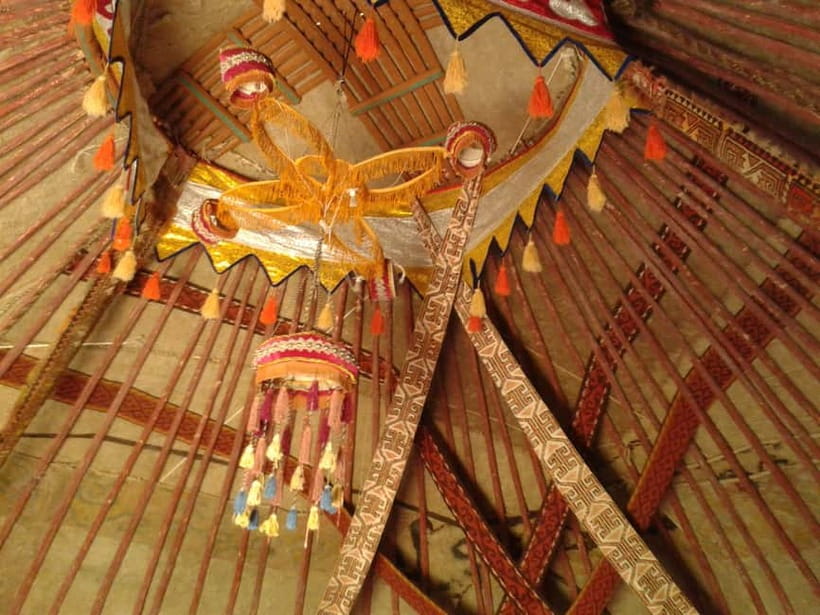
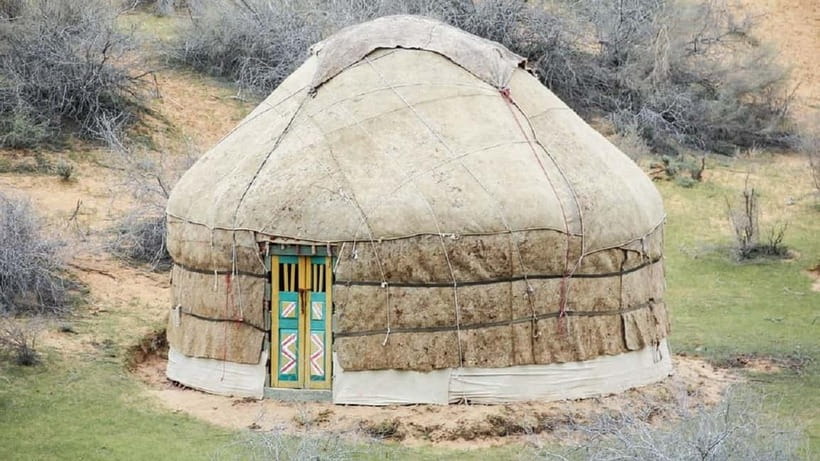
The overnight stay is in a yurt at the camp. You should think of it as basic camping with a roof, not a hotel room with decorative round walls.
Facilities are described as essential, with electric power available for charging devices. That is helpful, but bring a charged phone and a portable battery if you have one. Remote areas can have weak or absent internet, and translation apps may not work reliably.
Yurt condition appears to be the biggest uncertainty. One booking involved a tent with holes that had to be changed, while another found the camp acceptable but plainly built for tourist use. Most importantly, you need to be comfortable with basic accommodation and the possibility that standards are uneven.
Pack long trousers, comfortable clothing, and a warm jacket outside the hottest months. Sand, wind, and temperature changes are part of the setting. Protective shoes are better than sandals for the road stops and dunes.
Meals and dietary needs
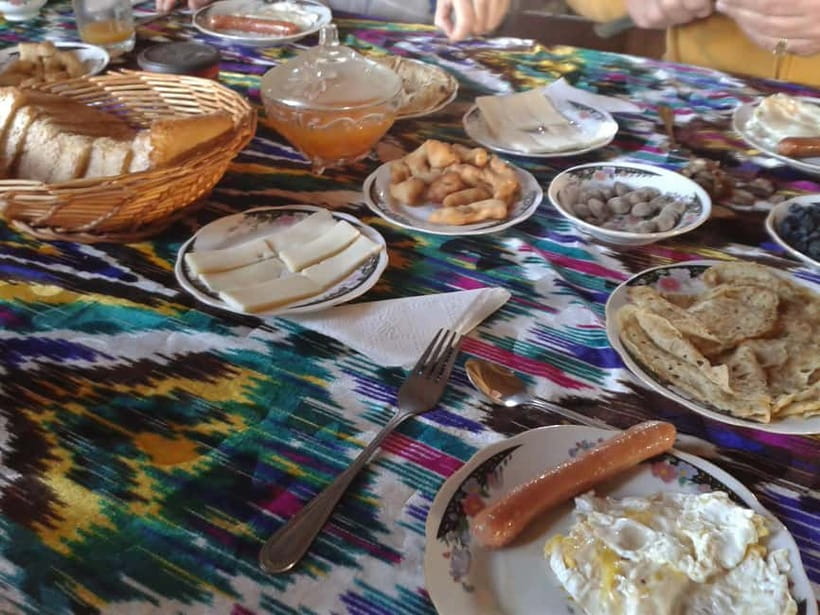
The package includes one lunch, one dinner, and breakfast. Lunch is taken at the lake, dinner at the camp, and breakfast comes before the return drive.
Local food commonly includes beef or lamb, rice, wheat or sorghum dough, and vegetables. If you prefer vegetarian food, tell the operator ahead of time. The supplied details specifically invite you to share dietary preferences, so do not wait until dinner to raise the issue.
Alcoholic drinks are not included. Drinks and food are also not allowed in the vehicle, which may make the long drive feel less flexible. Plan around the stated rule and use the scheduled stops for refreshments.
Food quality can vary. Some people find the meals perfectly serviceable, while others find them mediocre. The price is easier to justify for the transport, private arrangement, campfire evening, and overnight setting than for dining alone.
The return to Bukhara or Samarkand
After breakfast, you have free time for a walk on the dunes before leaving the camp. This is a quiet chance to take photographs and see the camp in daylight, when details that disappeared at night become clearer.
The return drive to Bukhara takes about four to five hours, covering around 270 kilometers. Arrival is estimated at about 3 p.m. You can be dropped at a hotel, airport, or railway station.
You may choose Samarkand instead. That journey takes about five hours and covers roughly 330 kilometers. This option can save you from returning to Bukhara before continuing east, but do not schedule a tight same-day connection without allowing for road delays. The activity information gives an approximate arrival time, not a guarantee.
Is $215 per person good value?
The answer depends on what you want included. For $215 per person, you receive private transport, air conditioning, hotel or station pickup, one night in a yurt, three listed meals, camel riding, and the return transfer to Bukhara or Samarkand. Taxes and tour fees are included.
That is fair value if you would otherwise need to arrange a car, driver, camp booking, and lake visit separately. The private format is particularly useful for couples or small groups who want a direct transfer between cities.
The price is less attractive if you mainly want a cheap night in a yurt. Some facilities are basic, entrance tickets are extra, alcohol is excluded, and the guiding can be limited. You may feel you paid for a full cultural tour but received transport and camp logistics instead.
The rating of 3.8 out of 5 reflects that split. The sunset, lake, camel ride, and campfire can be excellent, while communication and accommodation condition can lower the experience. I would judge the value by the guide arrangement first, not by the advertised list of stops.
Who should book this desert night?
I would recommend this trip to you if you want a convenient break from Bukhara and enjoy basic outdoor comfort. It suits people who value a private car, a lake swim, open skies, and an evening with music more than polished service.
It also works well if you are moving between Bukhara and Samarkand and want to make the overnight stop part of your route. The Samarkand drop-off is a useful feature.
I would be cautious if you need strong English-language guiding, reliable internet, hotel-style rooms, or a tightly managed cultural program. Ask whether your driver will be an English-speaking guide, confirm every planned stop, and request reassurance about the yurt condition.
The activity allows cancellation up to 24 hours in advance for a full refund, and you can reserve now and pay later. Those flexible terms help, but they do not replace checking the practical details before departure.
Should you book the Aydarkul yurt night?
Book it if the image that appeals to you is simple: a long road through Uzbekistan, lunch beside a lake, a camel at sunset, dinner by a fire, and stars over a quiet camp. Those parts give the trip its real value.
Do not book it expecting a luxury desert resort or a guaranteed expert guide. The strongest memories come from the setting, while the weakest points are communication, uneven facilities, and the possibility of a missed stop.
For the best chance of a good experience, confirm the guide’s language, ask who will explain Navai, Sarmish, and Nurota, and pack for both sun and cold. With those expectations in place, this can be a practical and memorable way to see a quieter side of Uzbekistan.
FAQ
Where does the tour start?
Pickup is available from your hotel, railway station, or airport in Bukhara. You should wait in the hotel lobby or agreed pickup area five minutes before departure.
How long is the drive from Bukhara to the yurt camp?
The drive takes about four to five hours and covers roughly 270 kilometers, with stops along the route.
Can I finish the tour in Samarkand?
Yes. You can select drop-off in Samarkand instead of Bukhara. The drive takes about five hours and covers approximately 330 kilometers.
Can I swim in Aydarkul Lake?
Yes. Swimming is described as safe when the weather allows. A fresh shower is available at the camp to remove lake salt and mud.
Is camel riding included?
Yes. Camel riding is included in the tour price. Tips are welcome but are not listed as an extra required payment.
What meals are included?
The package includes one lunch, one dinner, and one breakfast. Lunch is served by the lake, dinner is at the yurt camp, and breakfast is served before departure.
Is vegetarian food available?
Vegetarian food can be requested. You should inform the operator about vegetarian meals or other dietary preferences in advance.
Is electricity available at the camp?
Yes. The camp has electric power for charging devices.
What languages are available?
English and Russian are listed for the activity. However, the driver or guide assigned to a booking may not always speak English, so confirm this before departure.
What should I bring?
Bring comfortable shoes, sunglasses, a sun hat, sunscreen, comfortable clothing, and long trousers. Hiking boots or sport shoes are recommended, and a warm jacket is useful in early spring and late autumn.
Just added around Bukhara
- Uzbekistan 6 Days Private Tour Khiva-Bukhara-Samarkand by Train★ 5.0 · 4 reviews
- Tashkent-Samarkand-Bukhara tour-3nights/4 days★ 5.0 · 5 reviews
- 6- Day Private Tour to Tashkent, Khiva, Bukhara and Samarkand★ 5.0 · 5 reviews
- Bukhara Walking Tour★ 5.0 · 4 reviews
- Bukhara in a Day History, Culture, and Local Insight Private Tour★ 5.0 · 4 reviews
- Full-Day Private Guided Tour to Islamic 7 Saints of Bukhara★ 4.5 · 3 reviews
- A Complete Chapter To Old Bukhara★ 5.0 · 5 reviews
- 2 Day Ukhum Hiking Tour from Bukhara★ 5.0 · 4 reviews
Desert Yurt Camps, compared.
Desert Adventure from Samarkand: Yurt Camp & Aydarkul Escape
Read our review →
Kyzylkum Desert tour from Samarkand (1Night 2 Days)
Read our review →
Browse the lists this tour appears in