
Reviewed · COOKING CLASSES
Samarkand: Cooking class with local family
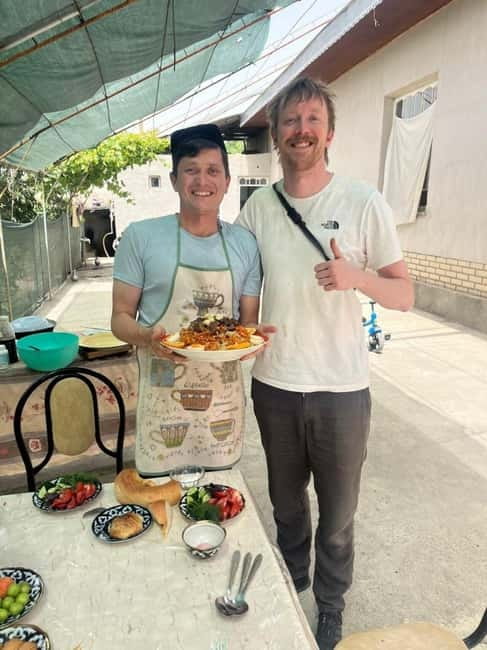
Samarkand’s best cultural moments may happen away from its famous blue-tiled monuments. This five-hour outing takes you to a local bazaar, then into a family home where Navruz, Guli, and their relatives show you how Uzbek dishes are made from scratch. You do not just eat lunch. You see the work, customs, and family rhythm behind it.
I like the home setting, which makes the cooking feel personal rather than staged. I also like the mix of food, shopping, and crafts, especially the visit to the Konigil paper factory and the chance to see handmade work. The main consideration is time: five hours gives you a useful taste of local life, but the schedule may feel full if every listed stop is included.
Key points at a glance
- Cook in a family home: Prepare Uzbek food with Navruz, Guli, and their relatives rather than only watching a demonstration.
- Shop before you cook: A local bazaar gives you a look at everyday ingredients, vendors, and food customs in Samarkand.
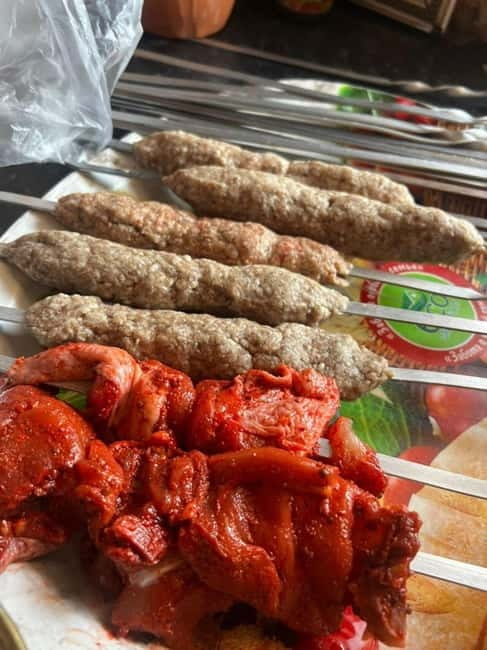
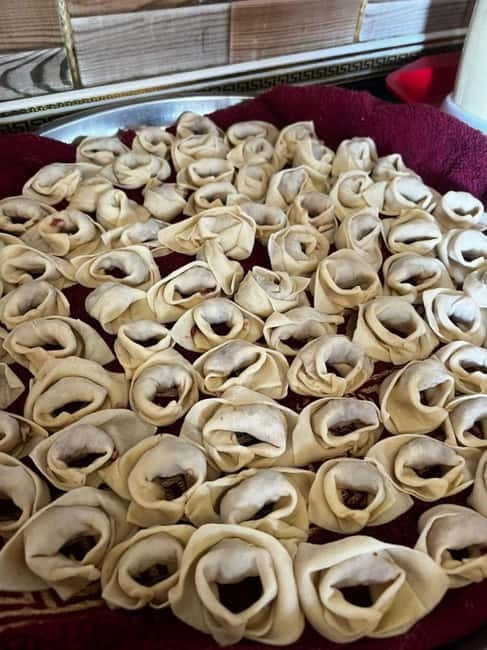
- Expect a generous food focus: Plov, shashlik, and samsa are listed dishes, followed by lunch.
- Add craft stops to the day: The route includes the Konigil paper factory, oil meal, and pottery workshops, with handmade rugs also possible.
- Book a private group: Your party has a private experience, with guiding offered in five languages.
- Plan around local customs: Short skirts, tight clothing, alcohol, and similar items are not allowed.
Why this Samarkand cooking class feels different
Many cooking classes teach you a recipe and send you home. This one aims at something broader: a look at how food fits into family life in Uzbekistan. You begin at a bazaar, see where ingredients and household goods are bought, and then continue to a local home for the preparation and meal.
That order matters. At a bazaar, food is not an abstract list of ingredients. You see produce, meat, spices, and daily trade taking place around you. The stop also gives you time to watch people bargain, greet one another, and move through an ordinary Samarkand shopping day.
Then the setting changes from public market to private home. Navruz and Guli are associated with the cooking portion, and the family may include parents as well. That family contact is the strongest reason to choose this outing. You get conversation and shared activity, not just a guide explaining local customs from beside a vehicle.
The experience is best understood as a cultural visit with cooking at its center. Food is the practical doorway into the family’s traditions, routines, and hospitality. You may also have time for stories, conversation, and a game of chess, depending on the flow of the visit.
More Cooking Classes in Samarkand
- Samarkand: Village Tour with Plov Cooking Class & Home Visit
★ 5.0 · 29 reviews - Samarkand: Uzbek Cooking Class in a Village Home
★ 5.0 · 22 reviews - Cooking class in Samarkand with local life experience
★ 5.0 · 19 reviews
Starting at a local bazaar
The bazaar comes first, which helps you get your bearings before entering the family home. Expect a sensory stop rather than a formal sightseeing lecture. You will walk among stalls, watch vendors serve local shoppers, and look at the ingredients that later connect with the cooking lesson.
This is a good place to ask questions. You can learn which foods are common at home, how ingredients are selected, and what items are linked with Uzbek meals. The guide can help bridge the language gap, with English, Korean, Russian, Uzbek, and Tajik available.
The bazaar visit also gives the class a stronger sense of place. You are not simply preparing an Uzbek menu in a neutral kitchen. You first see the food culture in its everyday setting, then follow it into a household.
Do not expect a long shopping tour with time to study every stall. The entire experience lasts five hours, and the bazaar is only one part of the day. If you like slow market wandering, this will probably feel like an introduction rather than a full market visit.
Cooking plov, shashlik, and samsa from scratch
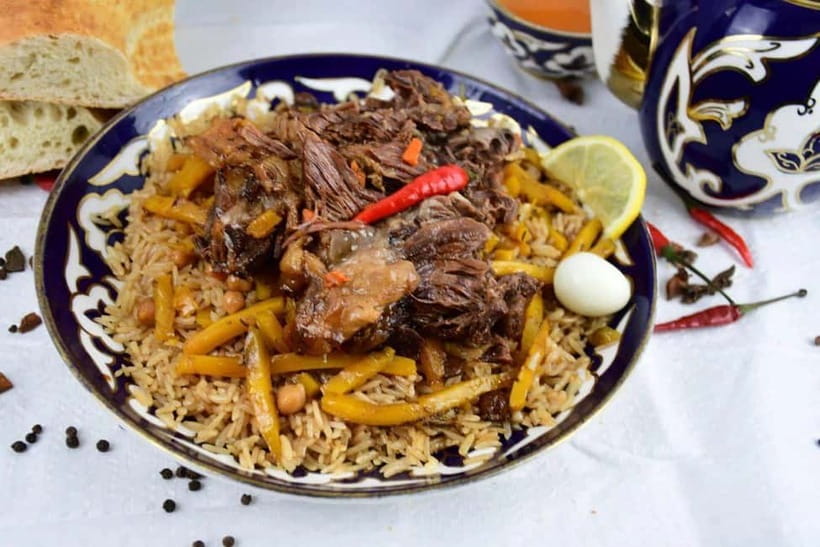
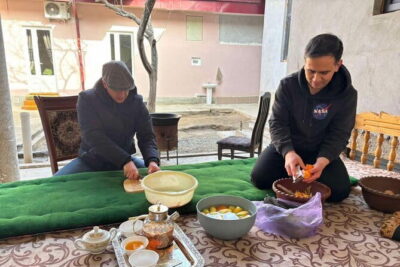
The cooking session is the heart of the outing. The listed dishes include plov, Uzbekistan’s famous rice-based meal, along with shashlik and samsa. You roll up your sleeves and take part in the preparation instead of sitting through a demonstration.
Plov is especially useful for understanding Uzbek food. It brings together rice, meat, vegetables, and careful cooking, so the process shows more than a single technique. You can see how timing and preparation affect a dish that often carries an important place at family meals and celebrations.
Shashlik adds a different style of cooking, while samsa introduces savory pastry. Together, the three dishes give you a wider picture of Uzbek home food than a class focused on one recipe. The exact amount of hands-on work may depend on the family, the day’s menu, and the time available.
I would treat this as a shared kitchen session, not a professional culinary course. The value is in learning how the family approaches the food, hearing about traditions, and eating what you helped prepare. If you need a recipe card, exact measurements, or a formal lesson plan, confirm those details before booking because they are not specified.
Meeting Navruz, Guli, and the family
The strongest personal detail attached to this experience is the role of the family. Navruz brings guests to his home, where Guli and his parents take part in the welcome and cooking. That arrangement gives the visit a multigenerational feel and helps explain why the activity is described as more than a meal.
Guli is particularly useful if you want patient instruction. She has made a point of helping participants understand each stage of the cooking, which matters when you are working with unfamiliar dishes or a different kitchen routine.
Navruz can also add background about Uzbekistan’s customs and past. The result is a conversation that can move from food to family traditions, daily routines, and the story of Samarkand itself. You should still remember that conversation depends on language, timing, and the questions you bring.
The home setting requires respect. Dress modestly, avoid short skirts and tight clothing, and follow the household’s customs. Alcohol is not allowed in the vehicle, and alcoholic drinks and drugs are not permitted as part of the activity. Red wine is specifically listed among the prohibited items.
Same city, a completely different kind of day:
- Samarkand: Historical Monuments Guided Walking Tour
★ 4.8 · 446 reviews - Samarkand One Day Tour – Departure From Tashkent
★ 5.0 · 313 reviews - Private Samarkand City Tour With Transportation
★ 5.0 · 149 reviews - A City Tour Of Samarkand: The Pearl Of The East
★ 5.0 · 133 reviews
The Konigil paper factory and craft workshops
The day does not end with lunch. The route includes the Konigil paper factory, along with oil meal and pottery workshops. These stops widen the experience beyond food and show how local skills are kept in use.
Konigil is known in the itinerary as a paper-making site connected with very old paper traditions. You can expect a craft-focused visit rather than another major monument. This is a useful change of pace after the kitchen, especially if you enjoy seeing how materials are handled by hand.
The oil meal and pottery stops add more working culture to the day. The information provided does not specify the length of each visit or whether you will make an item yourself, so I would expect demonstrations or workshop visits rather than a guaranteed full class at every location.
A handmade rug workshop may also be included. One described outing visited a famous rug-making place where rugs were made by hand. Treat this as a possible addition rather than a promise that every departure follows the same exact route, since the confirmed activity details name paper, oil meal, and pottery stops.
These craft visits can be valuable, but they may not suit everyone. If you want to spend the maximum possible time cooking with the family, extra workshops could make the day feel hurried. If you like seeing how local products are made, they add real value.
What the five-hour schedule means
Five hours is a practical length for a half-day experience. It is long enough to combine a bazaar, a home meal, and several craft visits without taking over your entire day in Samarkand.
The tradeoff is pace. The itinerary includes several distinct parts, and transport is needed between them. You will have an air-conditioned vehicle, which is useful during hot weather and makes the craft stops easier to manage.
Because the experience is private, the guide can usually focus on your questions and adjust the conversation to your interests. A private group also suits couples, families, or small parties that want a more personal visit than a large class allows. The exact maximum group size is not provided, so ask before booking if party size is important to you.
Starting times vary. Check availability for the day you want, especially if you need to fit this around a visit to Registan Square, Shah-i-Zinda, or another Samarkand sight. The cooking and family visit are the least predictable parts of the day, so leave some breathing room rather than scheduling a tight connection afterward.
Is $65 good value?
At $65 per person, the price is not only paying for lunch. It covers a private five-hour experience, air-conditioned transport, bottled water, the bazaar visit, cooking instruction, family contact, and several craft-related stops.
That makes the price reasonable for someone who wants an all-in-one cultural outing. Booking separate transport, finding a suitable home cooking session, and arranging craft visits could take more effort, even if the comparison is not exact.
The value depends on what you want from Samarkand. If your priority is monuments and architectural detail, part of the budget may be better spent on a dedicated city tour. If you want food, conversation, and a closer look at ordinary local life, this experience offers something the major sights cannot.
Lunch is included, but the menu is not guaranteed beyond the listed dishes. Ask about dietary needs before booking. The available information does not confirm vegetarian, halal, allergy, or gluten-free arrangements.
Free cancellation is available up to 24 hours before the activity for a full refund, and you can reserve now and pay later. Those terms help if your Samarkand plans are still moving around, but you should still check the current starting time and availability before committing.
Who should book this experience?
I would choose this for someone who values personal contact over polished presentation. It suits curious eaters, first-time visitors to Uzbekistan, families, and people who want a break from formal sightseeing.
It is also a good fit if you enjoy asking questions. The more interest you bring to family customs, cooking methods, and daily life, the more useful the home visit is likely to feel.
The activity may be less suitable for someone seeking a strict culinary curriculum. There is no stated promise of printed recipes, professional kitchen equipment, or a set amount of individual cooking time.
It may also be a poor match if you dislike modest dress requirements or do not want to visit a private home. This is a cultural exchange built around hospitality, so courtesy and flexibility matter.
Practical advice before you go
Wear loose, modest clothing that covers the knees and avoids a tight fit. Comfortable shoes will help at the bazaar and craft stops, though no specific footwear requirement is given.
Bring questions about ingredients, family customs, and Samarkand life. You can also ask the guide to explain the difference between plov, shashlik, and samsa as you prepare them.
Do not bring alcohol into the vehicle, and do not plan on drinking during the activity. Alcohol and drugs are not allowed, and red wine is specifically prohibited.
Confirm the language you want at booking. Guiding is available in English, Korean, Russian, Uzbek, and Tajik. Navruz and Guli are the key names connected with the family visit, but the exact guide arrangement should be checked for your date.
Should you book the Samarkand family cooking class?
Book it if you want to see Samarkand through food, family conversation, and local crafts rather than monuments alone. The home setting, personal help from Guli, and family welcome from Navruz give the outing its real character.
Skip it if you want a relaxed, single-focus cooking lesson or a full day spent at major historical sites. The five-hour schedule covers a lot, and the craft visits may leave less time for unhurried cooking.
For most visitors with room in their itinerary, $65 is a fair price for a private half-day that combines a bazaar, lunch, transport, family contact, and hands-on food preparation. Just dress respectfully, keep your schedule flexible, and confirm the exact stops and menu before you go.
FAQ
How long does the Samarkand cooking class last?
The experience lasts five hours.
How much does the activity cost?
The price is $65 per person.
Is the cooking class private?
Yes. The activity is arranged for a private group.
Which languages are available?
Guiding is available in English, Korean, Russian, Uzbek, and Tajik.
What food will I cook?
The listed dishes are plov, shashlik, and samsa. The exact menu should be confirmed before booking if you have dietary concerns.
Is lunch included?
Yes. Lunch and bottled water are included.
Is transportation included?
Yes. An air-conditioned vehicle is included.
What other places may I visit?
The activity includes the Konigil paper factory, an oil meal stop, and a pottery workshop. A handmade rug workshop may also be included.
What should I wear?
Short skirts and tight clothing are not allowed. Modest clothing is the safest choice for visiting the family home.
Can I cancel the activity?
You can cancel up to 24 hours in advance for a full refund. A reserve now and pay later option is also available.
Just added around Samarkand
- Uzbekistan 6 Days Private Tour Khiva-Bukhara-Samarkand by Train★ 5.0 · 4 reviews
- Private Intercity Transfer Tashkent – Samarkand – Tashkent★ 3.5 · 3 reviews
- Tashkent-Samarkand-Bukhara tour-3nights/4 days★ 5.0 · 5 reviews
- 6- Day Private Tour to Tashkent, Khiva, Bukhara and Samarkand★ 5.0 · 5 reviews
- The Golden City of Samarkand: A Self-Guided Audio Tour★ 4.0 · 4 reviews
- Samarkand Capital of Amir Timur Private Tour with Transport★ 5.0 · 3 reviews
- Seven Lakes Panjakent: One-Day Adventure from Samarkand★ 5.0 · 3 reviews
- Shakhrisabz Private Day Tour from Samarkand★ 5.0 · 4 reviews
Cooking Classes, compared.
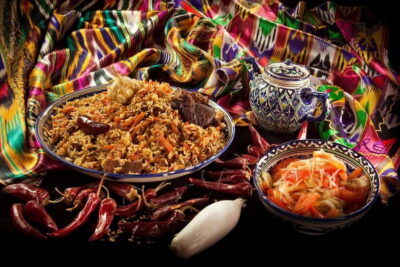
Village Tour with Plov Cooking Class & Home Visit
Read our review →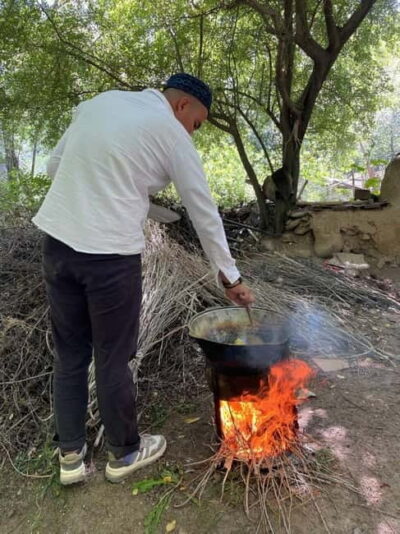
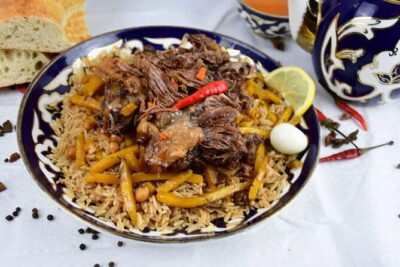
Cooking class in Samarkand with local life experience
Read our review →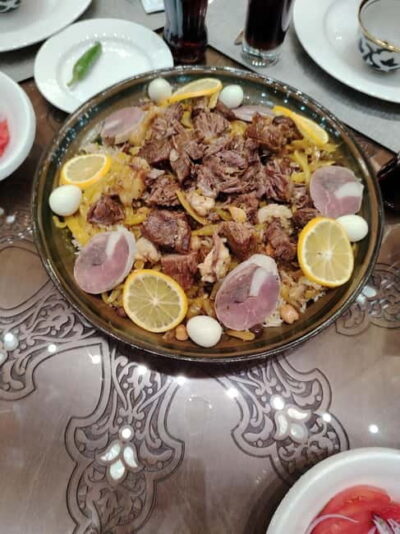
cooking traditional food in Samarkand with local people
Read our review →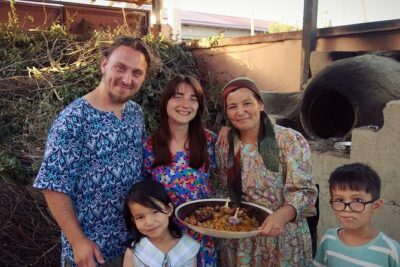
Private Samarkand Cooking Class with Market Tour & Transfers
Read our review →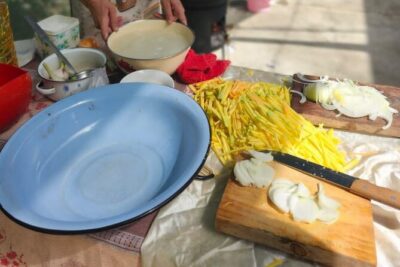
Cooking Class in the Village with Local Family in Samarkand
Read our review →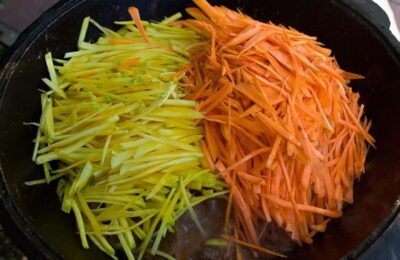
Browse the lists this tour appears in