
Reviewed · VILLAGE & COUNTRYSIDE TOURS
Cooking Class in the Village with Local Family in Samarkand
A market visit followed by a home-cooked Uzbek meal gives this experience its real appeal. You begin among local produce and food stalls, then head to a village home where hosts such as Goli, Navruz, or Gulrux may guide you through dishes including plov, manti, and dolma.
I like the personal scale of this private outing, and I like that it adds the Konigil paper factory, oil meal production, and pottery to the food lesson. The main consideration is that cooking is described as a relaxed, slow activity, so you may not spend every minute with your hands on the dough or fire.
Key points at a glance
- A bazaar comes first: Shop for ingredients and see everyday Samarkand life before cooking.
- A real family setting: The meal takes place in a local home, with time for conversation, customs, and family interaction.
- Several Uzbek dishes: Depending on the host and menu, you may prepare plov, manti, dolma, shashlik, or samsa.
- More than a cooking class: The day can include the Konigil paper factory, an oil meal workshop, and pottery production.
- Private and flexible: Only your group participates, pickup is offered, and the start time is flexible.
- Good value for a half-day: At $65 per person, transport, guiding, food, and several cultural stops are included.
Why this Samarkand cooking class feels different
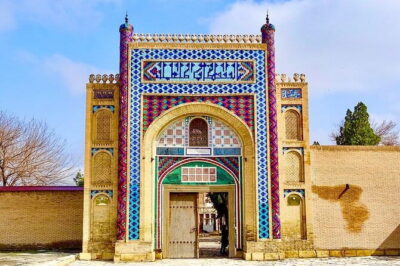
Samarkand has grand monuments, blue-tiled facades, and famous old squares. Those sights matter, but food often gives you a clearer sense of how people live. This experience moves away from the main sights and into a family setting, where a meal becomes the central activity.
The format is simple. You are picked up from your hotel, visit a local bazaar, drive to a village, and cook with a family. The day lasts about five hours, though the exact timing can shift because the starting hour is flexible.
That flexibility is useful if you have spent the morning at Registan Square or need to work around a train schedule. Still, confirm the pickup time when you book. The stated operating hours run from 9:00 AM to 10:00 PM, but a five-hour food experience is likely to work best earlier in the day.
The experience is private, so you do not share the cooking space with a large tour group. That matters in a home. You can ask questions, adjust the pace, and explain food preferences more easily than you could in a crowded class.
More Cooking Classes in Samarkand
- Samarkand: Village Tour with Plov Cooking Class & Home Visit
★ 5.0 · 29 reviews - Samarkand: Uzbek Cooking Class in a Village Home
★ 5.0 · 22 reviews - Cooking class in Samarkand with local life experience
★ 5.0 · 19 reviews
The Samarkand bazaar sets the table
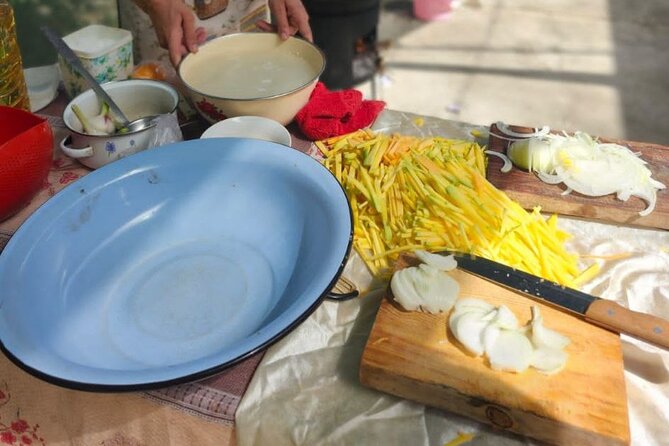
The first stop is a local market. Rather than arriving at a kitchen with ingredients already measured, you begin where much of the food culture starts: among produce, spices, meat, and other daily goods.
You can stroll through the stalls, speak with vendors through your guide, and see the ordinary buying and selling that supports the city’s kitchens. This is also a useful moment to tell your host about dietary needs. Vegetarian requests were accommodated during at least some sessions, and one host helped select suitable ingredients at the market.
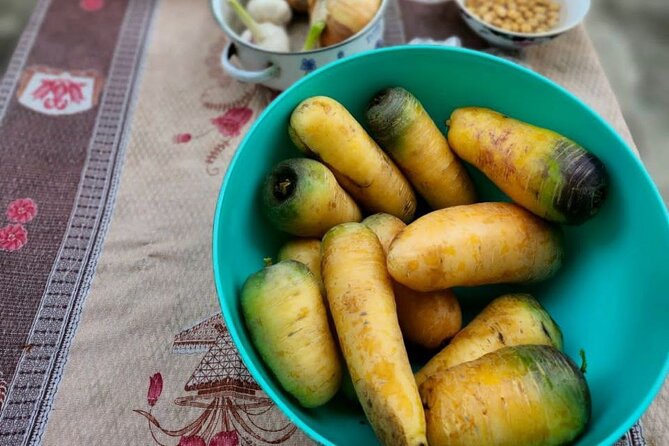
The bazaar adds value because it gives context to the meal. You see the ingredients before they are chopped, seasoned, and placed in a pot. If you are curious about Uzbek food but do not know the difference between plov, manti, dolma, and samsa, the market visit helps make those dishes less abstract.
The pace may be unhurried. This is not a quick food tour with a succession of tastings. It is a chance to look closely, ask questions, and watch how your host chooses ingredients. If you prefer a tightly scheduled itinerary, this slower beginning may feel loose. If you enjoy local markets, it is one of the strongest parts of the day.
Cooking plov in a village home
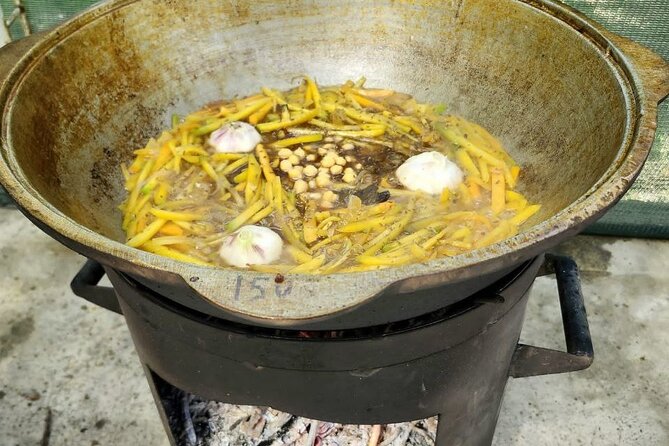
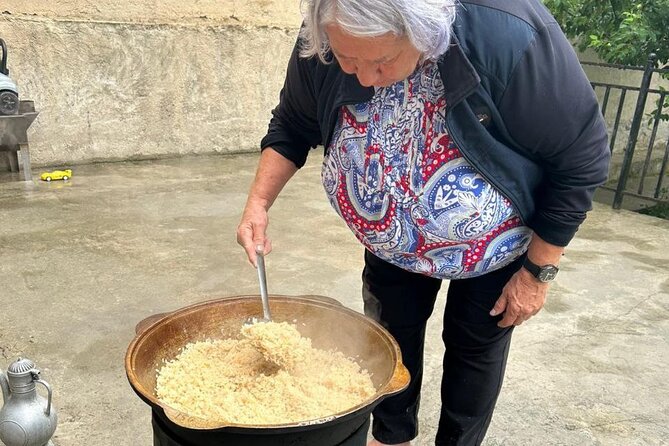
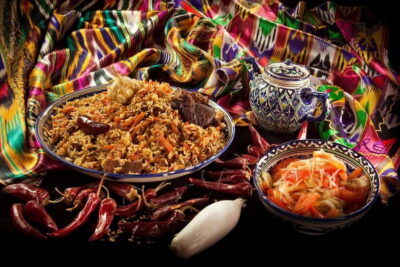
The main activity takes place at the family home in a village outside Samarkand. Plov, also called pilov, is the dish most closely associated with the experience. It is not just rice on a plate. The preparation involves several stages, and timing matters.
One session with Gulrux focused on making plov step by step. Her English was described as very good, which made it easier to discuss both the method and everyday life in Uzbekistan. You may spend time learning how the ingredients are prepared, how the dish is built, and when each part joins the pot.
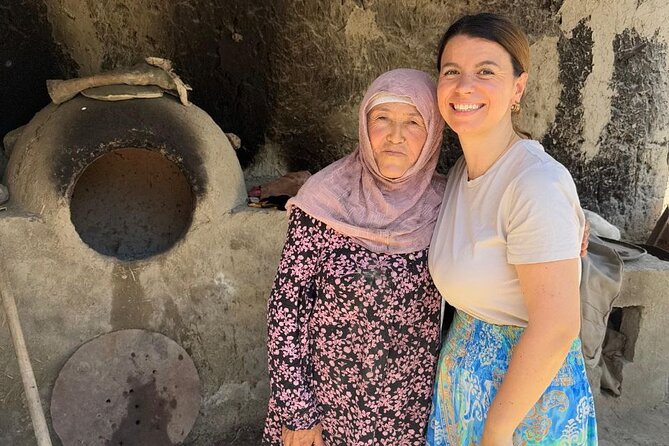
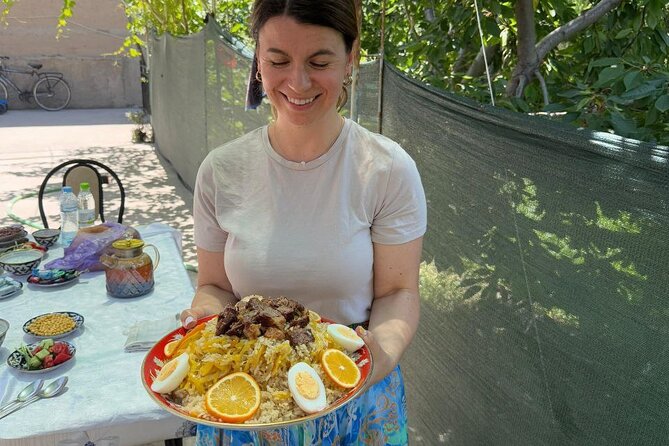
The family setting changes the tone. You are not simply following a professional chef in a demonstration kitchen. You may meet other members of the household, talk about customs, and share the finished meal around a family table. A game of chess is also mentioned as a possible part of the time together.
Cooking activity can vary by host. One account described the process as fun but slow, with a wish for more hands-on work such as collecting firewood or rolling dough. That is useful to know before booking. You should expect a cultural visit with cooking, not a formal culinary school where you prepare every component from start to finish.
If hands-on work matters to you, ask in advance which dishes will be prepared and what you will be able to do. Some sessions may focus heavily on plov, while others include manti or dolma. The more specific your request, the easier it will be for the host to plan.
Uzbek dishes you may prepare
The menu is not fixed in the information provided, so you should treat the following dishes as examples rather than a guarantee.
Plov is the central possibility. It combines rice with other ingredients and requires patience. A class focused on plov suits you if you want to learn one important Uzbek dish in detail instead of rushing through a long menu.
Manti are filled dumplings, and they offer more direct hand work than plov. If the session includes them, you may have a chance to help with dough and filling.
Dolma provides another look at Uzbek home cooking. The name is used for filled vegetables or leaves in many parts of Central Asia and the wider region. Ask which version your host plans to make.
Shashlik brings grilled meat into the menu. Since the cooking method differs from a rice or dumpling dish, it can make the meal feel more varied.
Samsa are savory pastries. They are a useful choice for showing how Uzbek food includes baked or pastry-based dishes as well as large shared meals.
Vegetarian needs can be accommodated, according to the information available. Tell the provider before the day begins, and repeat the request at pickup so there is no confusion at the market or home.
More village days around Samarkand:
- Beyond the Walls: Countryside Tour with Transport and Lunch
★ 5.0 · 13 reviews - Hiking tour to Hayat, Uhum and Asraf villages – 4 days
★ 5.0 · 12 reviews - Bukhara Countryside Private Tour with Transport
★ 5.0 · 6 reviews
Family conversation is part of the meal
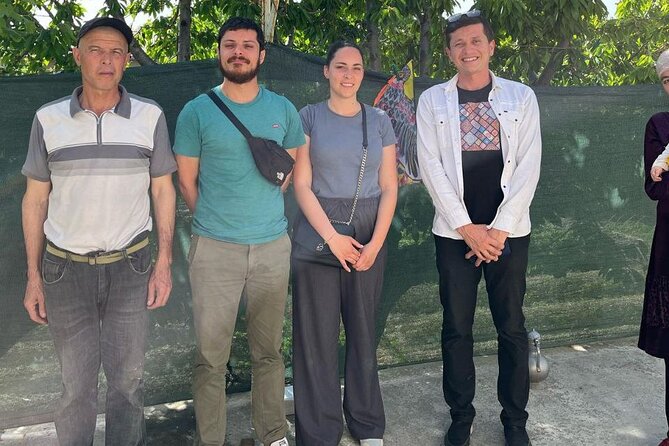
The cooking matters, but the family contact may be the part you remember longest. You can ask about daily routines, household customs, and traditions while the food cooks. The tone is personal rather than staged, though the exact level of conversation depends on your host and language ability.
Hosts named in the experiences include Goli, Navuq, Navro’z, Gulrux, and Narboz. The provider is listed as Navruz, but the person leading your outing may differ. That means you should not book solely for one named host unless the company confirms who will lead your date.
Goli is described as welcoming and attentive during the market visit and cooking session. Gulrux guided a detailed plov lesson and spoke very good English. Navro’z handled booking details and cultural explanations, while Narboz responded to a vegetarian request. These details suggest that communication and dietary planning are taken seriously, but availability can vary.
You may also spend time with several family members rather than only one host. That can make the meal feel more natural, though it may also mean the class has less formal structure. I would choose this experience for conversation and cultural contact, not for a polished chef-led performance.
Konigil paper, oil, and pottery stops
The day can include more than food. Stops listed for the outing include the Konigil paper factory, an oil meal workshop, and a pottery workshop.
The Konigil paper factory is especially relevant to Samarkand. It connects the day to local craft production and gives you a break from the kitchen. You can see a traditional material being made rather than only hearing about the city’s past.
The oil meal stop adds another practical look at food production. It helps connect what you see at the bazaar with the work that happens after harvest and before ingredients reach a household.
Pottery brings in a different craft. It shows that village life is not limited to cooking and farming, and it gives you another way to understand local skills. The supplied details do not specify how long each stop lasts or whether every outing includes all three, so confirm the exact route before you go.
These additions are valuable if you want a broader cultural outing. They may be less appealing if you want five uninterrupted hours in the kitchen. The experience is best understood as a private village day built around food, with craft visits included along the way.
Price, timing, and practical value
The price is $65 per person. For a private five-hour outing that includes hotel pickup, market guiding, village transport, cooking, a shared meal, and possible craft stops, I consider that a fair price for the right kind of visitor.
You are not paying only for instruction. You are paying for the time of a local host, transport between several places, access to a family home, and the chance to ask questions in a setting that is difficult to arrange independently.
Value depends on your priorities. If you want a technical cooking course with precise recipes, printed instructions, and constant hands-on work, this may feel less focused. If you want food, family contact, and a look at local production in one private outing, the price makes more sense.
The experience is booked an average of nine days ahead, so it is sensible to reserve before your Samarkand stay is full. Confirmation is provided at booking. Pickup is offered, but confirm the exact hotel details and start time ahead of the day.
Free cancellation is available if you cancel at least 24 hours before the start time. Cancellations within 24 hours are not refunded, and late changes are not accepted. The cut-off uses Samarkand local time.
Who should book this experience
I would recommend it most strongly to people who want contact with a local family rather than another monument tour. It suits couples, families, and small private groups who enjoy eating slowly, asking questions, and letting the day unfold.
It also works well for first-time visitors who want a gentle introduction to Uzbek food. The bazaar gives you visual context, while the home meal lets you see how dishes are prepared and shared.
Vegetarians should state their needs before booking. The experience has accommodated vegetarian meals, but the exact menu is not fixed. People with limited mobility or strict accessibility needs should ask for details before reserving, since the route includes a market, a village home, and workshops, and the information does not describe step-free access.
Children may enjoy the market, cooking, family interaction, and possible chess game, but the provider does not give a specific minimum age. Ask before booking if you are traveling with young children.
What to ask before you go
A few simple questions can make the day fit you better:
- Which family member will host my group?
- Which dishes will we prepare?
- How much of the cooking will I do myself?
- Will the Konigil paper factory, oil workshop, and pottery workshop all be included?
- Can you provide a vegetarian menu?
- What time will pickup take place?
- How much time will we spend at the bazaar and at the family home?
These are not signs of a problem. They are sensible questions for a flexible, family-based experience where the exact menu and route can vary.
Should you book this Samarkand cooking class?
Book it if you want to see how food fits into family life in Uzbekistan. The strongest features are the private setting, the market visit, the warm family contact, and the chance to learn plov or other local dishes from a host such as Gulrux, Goli, Navro’z, or Narboz.
Skip it if you need a tightly timed culinary workshop with guaranteed hands-on work at every stage. The pace can be slow, the menu may change, and the craft stops may reduce kitchen time.
For most visitors with five hours to spare, this is a good way to trade one more formal sightseeing stop for a meal, a conversation, and a better sense of everyday Samarkand. At $65, it offers solid value when you treat it as a private cultural outing with cooking at its center.
FAQ
Where does the cooking class take place?
The experience begins in Samarkand and continues to a village home where you cook with a local family.
Is hotel pickup available?
Yes. Pickup from your hotel is offered.
How long does the experience last?
It lasts approximately five hours in total.
Is the starting time fixed?
No. The starting time is described as flexible, but you should confirm the agreed time when booking.
Is this a private tour?
Yes. Only your group participates.
What dishes might I learn to prepare?
Possible dishes include plov, manti, dolma, shashlik, and samsa. The exact menu is not fixed in the supplied details.
Can vegetarians join?
Yes. Vegetarian requests have been accommodated, but you should state your requirements in advance.
Does the experience include a market visit?
Yes. The day begins with a visit to a local bazaar to look at ingredients and local food buying.
Are craft workshops included?
The experience can include the Konigil paper factory, an oil meal workshop, and a pottery workshop. Confirm which stops are included on your date.
What is the cancellation policy?
You can receive a full refund if you cancel at least 24 hours before the start time. Cancellations or changes made within 24 hours are not accepted for a refund.
Just added around Samarkand
- Uzbekistan 6 Days Private Tour Khiva-Bukhara-Samarkand by Train★ 5.0 · 4 reviews
- Private Intercity Transfer Tashkent – Samarkand – Tashkent★ 3.5 · 3 reviews
- Tashkent-Samarkand-Bukhara tour-3nights/4 days★ 5.0 · 5 reviews
- 6- Day Private Tour to Tashkent, Khiva, Bukhara and Samarkand★ 5.0 · 5 reviews
- The Golden City of Samarkand: A Self-Guided Audio Tour★ 4.0 · 4 reviews
- Samarkand Capital of Amir Timur Private Tour with Transport★ 5.0 · 3 reviews
- Seven Lakes Panjakent: One-Day Adventure from Samarkand★ 5.0 · 3 reviews
- Shakhrisabz Private Day Tour from Samarkand★ 5.0 · 4 reviews
Village & Countryside Tours, compared.
Village Tour with Plov Cooking Class & Home Visit
Read our review →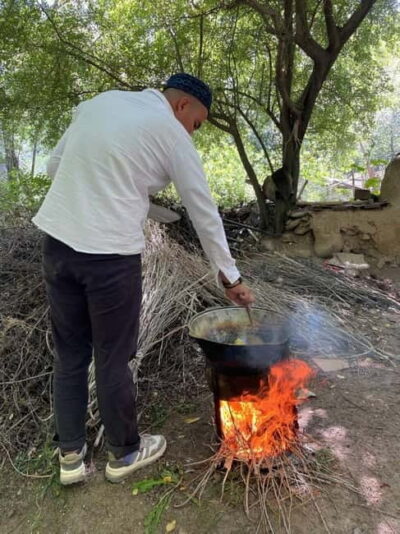
Beyond the Walls: Countryside Tour with Transport and Lunch
Read our review →
Hiking tour to Hayat, Uhum and Asraf villages – 4 days
Read our review →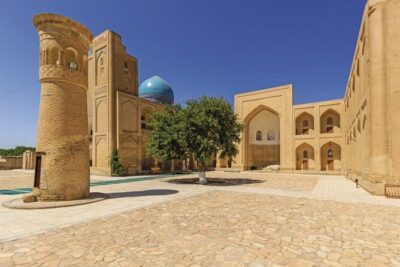
Browse the lists this tour appears in