
Reviewed · COOKING CLASSES
Plov and Samsa Cooking Class in Tashkent
Uzbek plov is not just rice with meat. It is a careful sequence of hot oil, onions, carrots, spices, rice, water, and steam, and this class lets you handle each stage yourself. While the plov cooks, you make samsa, the crisp pastry filled with seasoned minced meat.
I like the hands-on format and the warmth of a private home setting. I also like the useful pause in the plov process, when you make a second dish instead of simply waiting. The main caution is communication and booking reliability: the hostess has basic English, and one booking report describes a canceled class with no refund, so confirm the meeting details and payment terms carefully.
Key points at a glance
- Two Uzbek staples in three hours: Prepare plov and samsa, then sit down to eat what you made.
- You do the real kitchen work: Chop onions, carrots, and meat, clean rice, fry ingredients, and manage the cooking.
- A private home setting: The class takes place in the hostess’s home, with family hospitality, tea, and possible extra snacks.
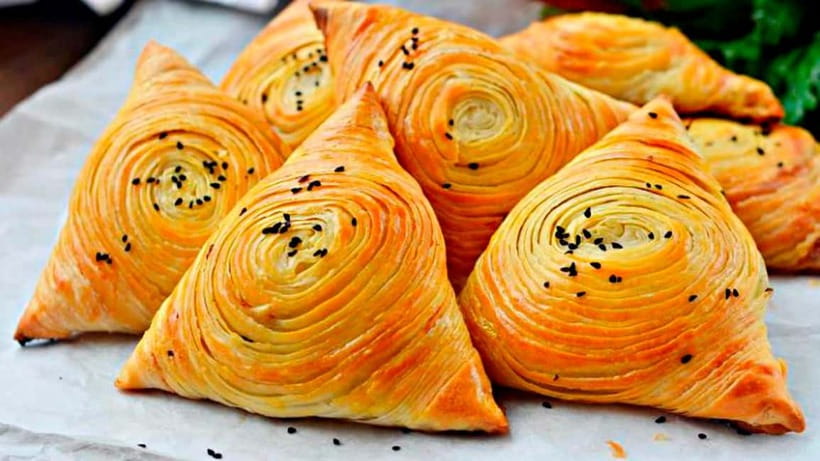
- Samsa uses rolled ghee pastry: Make the dough, spread it with clarified butter, roll it tightly, portion it, fill it, and bake it.
- Suitable for a private group of up to two: The $160 price is for the group, not each person, so it works best for a pair.
- Vegetarian preparation is possible: Meat can be left out of the plov for vegans, though the samsa details should be confirmed before booking.
Why plov makes a good Tashkent cooking class
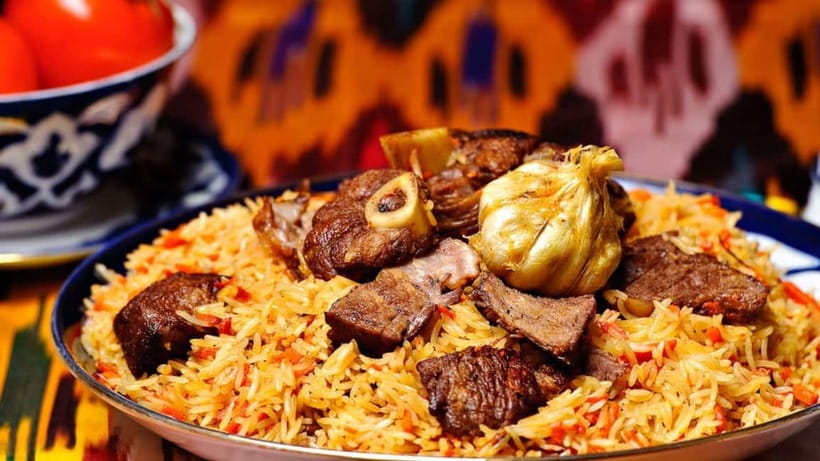
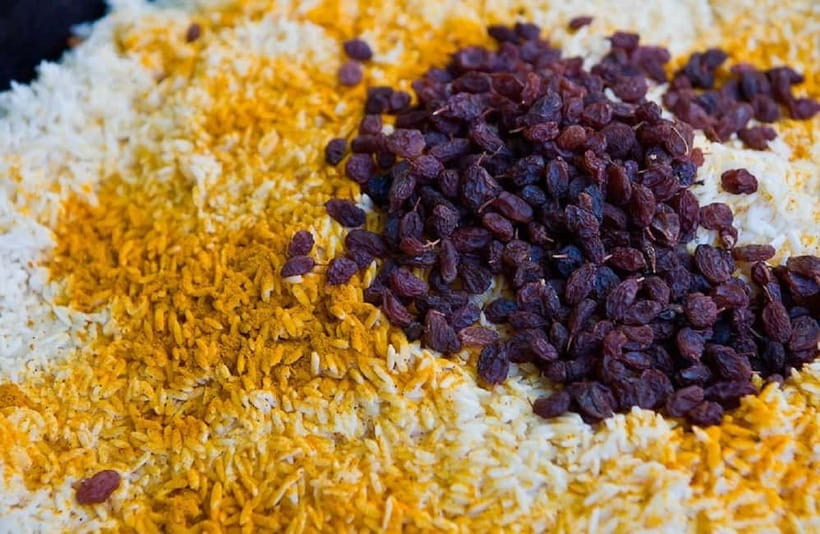
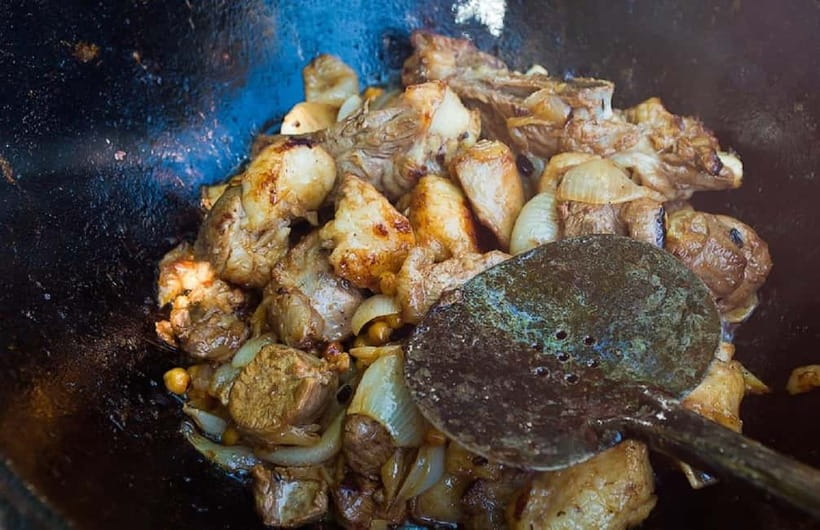
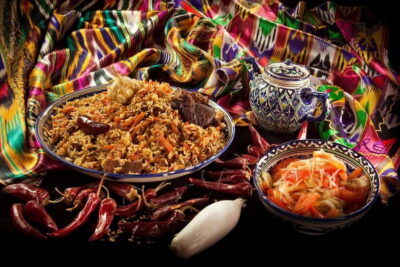
Plov, also called palov, is one of Uzbekistan’s best-known dishes, but its appeal is in the method as much as the final bowl. The basic ingredients are familiar: rice, meat, carrots, onions, garlic, cumin, raisins, sunflower oil, and water. What you learn here is how those parts are built into one dish.
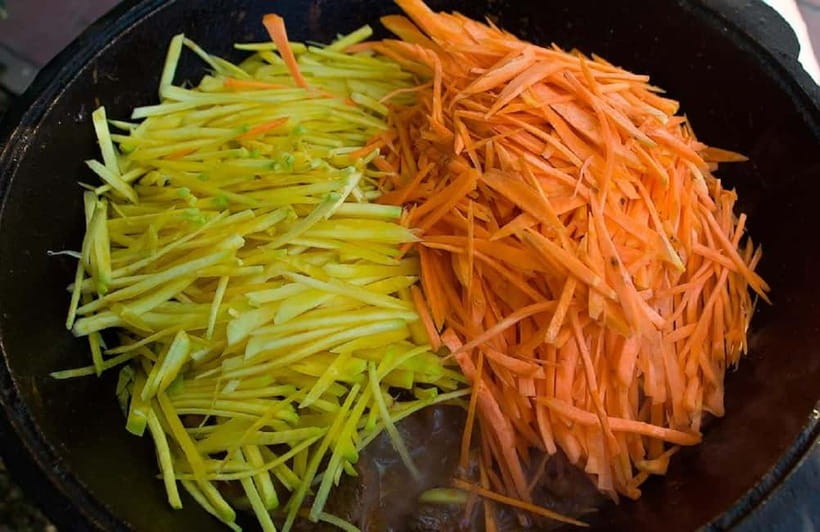
You begin with preparation. You cut onions, carrots, and meat, then clean the rice. These are not filler tasks. The size and timing of the ingredients affect how the dish cooks, so you get a practical lesson in the structure of Uzbek home cooking.
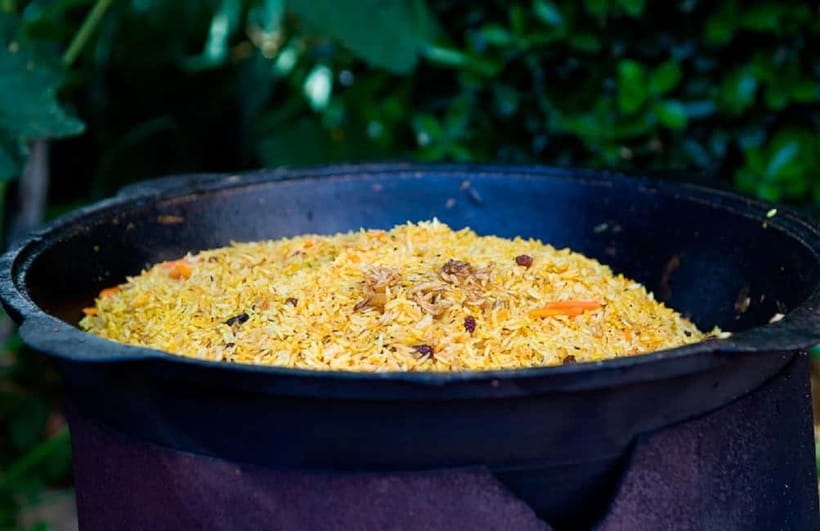
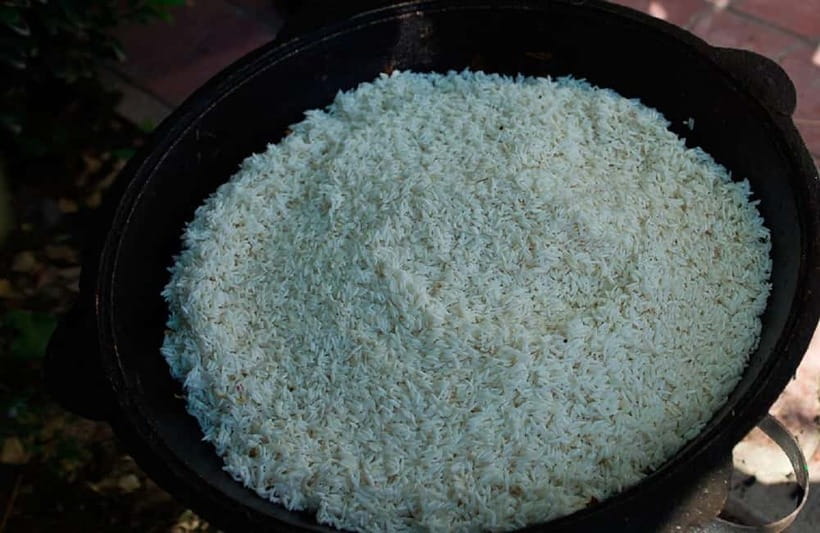
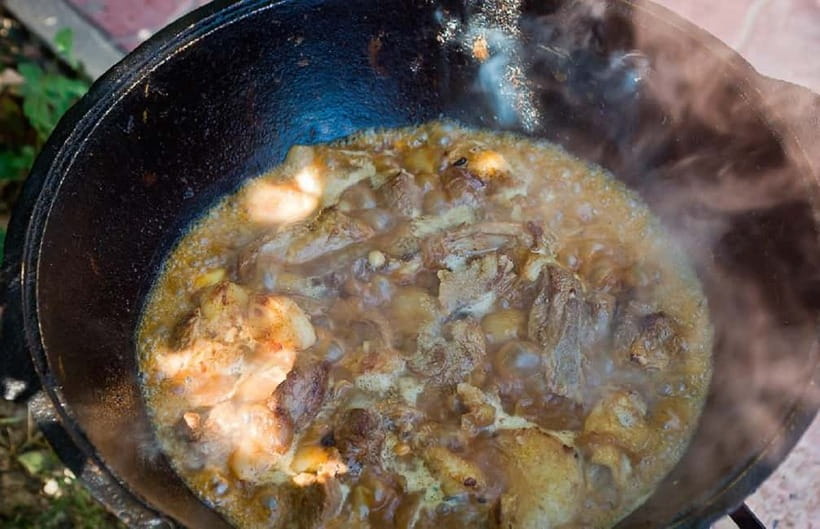
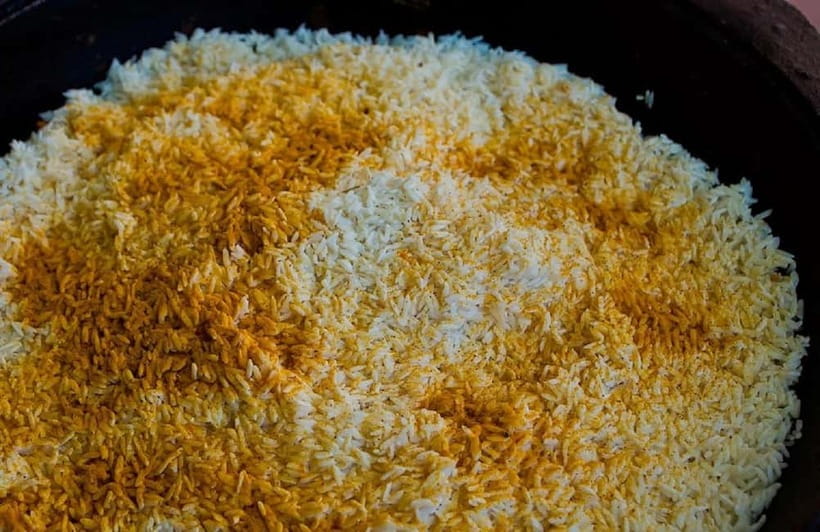
The cooking then moves through several stages. Ingredients are fried in oil before water and rice are added. The dish cooks, then steams, allowing the rice to absorb the flavors and finish without becoming a wet mash. You are involved in the frying, cooking, and steaming rather than watching someone else do it all.
That makes the class useful for you at home. A demonstration can show what plov looks like, but handling the onions, carrots, meat, and rice gives you a better sense of timing. You also get to ask questions as each stage changes.
The listed ingredients include garlic, cumin, and raisins. Those details matter. Cumin gives the plov its warm, earthy scent, while raisins add small sweet notes among the savory ingredients. Garlic contributes flavor as the dish cooks. The result should feel different from a standard rice dish, even though the ingredient list is straightforward.
More Cooking Classes in Tashkent:
- Samarkand: Village Tour with Plov Cooking Class & Home Visit
★ 5.0 · 29 reviews - Samarkand: Uzbek Cooking Class in a Village Home
★ 5.0 · 22 reviews - Cooking class in Samarkand with local life experience
★ 5.0 · 19 reviews
A private home rather than a formal cooking studio
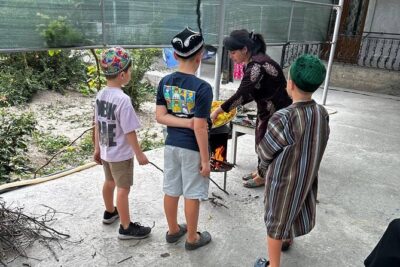
The class takes place in the hostess’s home in the Tashkent area. That setting changes the mood. You are not simply attending a demonstration in a commercial kitchen. You are entering a family space where the cooking lesson and hospitality are linked.
Extra tea and small snacks may be served before or during the cooking. One especially generous arrangement included traditional snacks, desserts, and tea, followed by packed food to take away. These additions are not guaranteed as a fixed part of the program, but you can reasonably expect the class to have a social side as well as a cooking side.
I like this home setting for a first taste of Uzbek food culture. The meal you eat is connected to the work you just completed, and the family atmosphere gives the class a more personal feel. It also means you should dress for a working kitchen and avoid expecting the polished, highly scripted rhythm of a professional culinary school.
The hostess’s English is described as basic, while the activity is offered in English and Russian. Some communication may be excellent, particularly with help from other members of the host team, but you should be ready for a lesson that relies partly on demonstration, gestures, and watching the technique. That is often enough in a kitchen, but travelers who need long verbal explanations should keep this in mind.
Making samsa during the plov’s cooking time
Once water has been added to the plov and the rice needs time to steam, you turn to samsa. This is a smart use of the waiting period and gives you a second cooking method in the same class.
Samsa is a triangular pastry filled with seasoned minced meat. The dough starts simply, then you roll it out and spread ghee, or clarified butter, across the surface. You roll the dough tightly, divide it into equal portions, and chill the small dough pieces.
Next, each piece is rolled out again and filled with minced meat. You shape the pastry into triangles, then bake it in an oven. The process teaches you how a plain dough becomes layered and crisp through rolling, fat, chilling, and baking.
This section of the class gives you a nice contrast with the plov. Plov depends on a pot, heat, and steam. Samsa depends on dough handling and oven baking. You get to work with both a rice-based main dish and a filled pastry in one three-hour session.
The final shape may take a little practice. If your triangles are not perfect, that is part of the fun, and the team helps you make the samsa properly. The important lesson is the sequence: spread the ghee, roll tightly, portion the dough, chill it, fill it, and bake it.
The meal is part of the lesson
The cooking ends with eating the food you prepared. This sounds simple, but it is a key part of the experience. You can taste the effect of your own chopping, frying, seasoning, and steaming while the steps are still fresh in your mind.
The class includes the prepared plov and samsa, rather than charging separately for the meal. You may also receive tea and small snacks, depending on what the host prepares. The food is meant to be enjoyed together with the host team, which gives the experience a shared, family-style finish.
A practical bonus is that extra food may sometimes be packed for you to take away. Do not treat this as a guaranteed inclusion, but it has happened and can turn the class into more than one meal.
For vegetarians and vegans, the plov can be made without meat. You should state this when booking and ask specifically about the samsa, since its standard filling is minced meat. The supplied details confirm a meat-free option for plov, but they do not confirm a vegan samsa filling.
More things to do in Tashkent:
- Best of Tashkent Mountains: Amirsoy, Chimgan & Charvak Trip
★ 4.8 · 567 reviews - Samarkand One Day Tour – Departure From Tashkent
★ 5.0 · 313 reviews - Tashkent City Tour
★ 5.0 · 121 reviews - Amirsoy, Chimgan & Charvak Full-Day Adventure
★ 4.9 · 82 reviews
What the $160 group price really means
The price is $160 per private group of up to two people. For two people, that works out to $80 each before any personal extras. For one person, the value is weaker because the full group price still applies.
You are paying for a private three-hour lesson, ingredients for two dishes, instruction, participation, and the meal. That is a fair structure if you want personal attention and a home setting rather than a large shared class. The value is strongest for a couple or two friends who want to cook together.
The price does not include pickup or drop-off. You will receive directions to the meeting point after booking, so allow time to find the home and confirm the address in advance. If you need private transport, arrange and price that separately.
There are no stated extra charges for the ingredients or meal. Personal expenses and anything outside the program are not included. Alcohol and drugs are not allowed, and the class is best approached as a family cooking experience rather than a food tour with drinks.
Timing, group size, and practical comfort
The class lasts three hours. That is enough time for ingredient preparation, the main plov cooking stages, samsa production, and eating without making the experience an all-day commitment.
The private format is limited to your group of up to two. This is useful if you want to ask questions, work at your own pace, or avoid being lost in a large class. It also means the social energy depends on you and the host family, rather than on a room full of other people.
Wear comfortable clothes. You will be cutting, mixing, shaping dough, and working around hot cooking equipment, so formal clothing is not a good choice. The activity is listed as wheelchair accessible, though you should confirm any specific access needs when arranging the meeting point.
The start time depends on availability. Since plov is a timed dish and the class takes place in a private home, confirm the start time and directions rather than assuming they will be obvious.
Free cancellation is available up to 24 hours before the activity for a full refund, and you can reserve while paying later. Because one serious report describes a canceled class without a refund, keep your confirmation and payment records, and contact the operator promptly if plans change.
Who will enjoy this class most
I would choose this for you if food is one of the main ways you like to understand a place. You do not need to be an experienced cook. In fact, beginners may get the most from the clear sequence of chopping, frying, steaming, rolling, filling, and baking.
It also suits couples and friends especially well. The price covers two people, and the private format lets you share the work without competing with a large group. Families may enjoy it too, provided everyone is comfortable with a home kitchen and the three-hour schedule.
This is less suitable if you want a polished restaurant meal with no participation. You will be expected to work. You will also need some patience if English instructions are limited and the lesson depends on watching the host team.
The class is a good match for anyone curious about Uzbek home cooking, particularly the difference between a slow, layered rice dish and a baked filled pastry. It is also useful if you want to return home with techniques you can try again, not just a list of dishes you tasted once.
My booking advice for Tashkent
Before paying, confirm the meeting point, start time, language support, and your dietary needs. Ask whether meat-free plov is available for your group and what filling will be used for the samsa.
If you are booking for two, the $160 private-group price is easier to justify. You receive ingredients, instruction, two dishes, and a shared meal in a home setting. For a solo cook, compare the price with other Tashkent food activities before deciding.
The strongest parts are the hands-on work, the two-dish format, and the warm family setting. The weaker points are the lack of included transport, possible limits in English, and the need to verify booking arrangements carefully.
Should you book it?
Book this class if you want a personal, practical introduction to Uzbek food and are happy to work in a private home. The chance to make both plov and samsa in one session gives you more value than a simple cooking demonstration.
I would be cautious if you need guaranteed fluent English, included transport, or a highly formal class. Confirm the arrangements before you go, then bring comfortable clothes and an appetite. For two people who want food, conversation, and a real kitchen lesson, this is a worthwhile Tashkent experience.
FAQ
Where does the cooking class take place?
The class takes place in a private home in the Tashkent area. Exact meeting instructions are provided after booking.
How long does the activity last?
The cooking class lasts three hours.
How many people can join?
It is a private group for up to two people.
What is included in the price?
The price includes professional instruction, all ingredients for plov and samsa, participation in the cooking, and the meal you prepare.
Is pickup or drop-off included?
No. Pickup and drop-off are not included.
Which languages are available?
The activity is offered in English and Russian. The hostess is described as having a basic level of English.
Can I request meat-free plov?
Yes. The plov can be prepared without meat for vegans. Ask in advance about the samsa filling.
What dishes will I cook?
You will prepare Uzbek plov, also called palov, and samsa, a baked triangular pastry filled with minced meat.
What should I wear?
Wear comfortable clothes suitable for cooking and working in a kitchen.
Can I cancel for a full refund?
You can cancel up to 24 hours before the activity for a full refund. Reserve-now, pay-later booking is also available.
Just added around Tashkent
- Uzbekistan Tour – 6 Days 5 Nights★ 5.0 · 4 reviews
- Private Intercity Transfer Tashkent – Samarkand – Tashkent★ 3.5 · 3 reviews
- Tashkent-Samarkand-Bukhara tour-3nights/4 days★ 5.0 · 5 reviews
- Tashkent Mountain Tour Amirsoy with Transport★ 3.5 · 3 reviews
- Tashkent City Tour with Hotel Pickup and Drop off★ 4.5 · 4 reviews
- Private Tashkent City Tour★ 5.0 · 3 reviews
- Tashkent Food and Metro Journey★ 5.0 · 4 reviews
- Transfer Tashkent Airport / Railway Station – Hotel★ 3.5 · 3 reviews
Cooking Classes, compared.
Village Tour with Plov Cooking Class & Home Visit
Read our review →
Cooking class in Samarkand with local life experience
Read our review →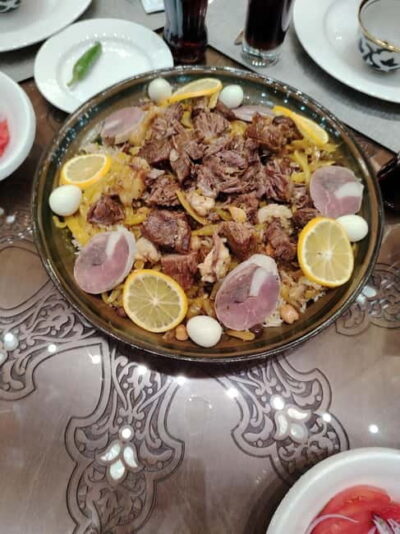
cooking traditional food in Samarkand with local people
Read our review →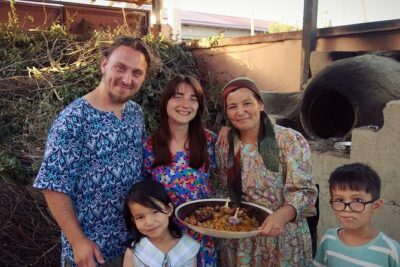
Private Samarkand Cooking Class with Market Tour & Transfers
Read our review →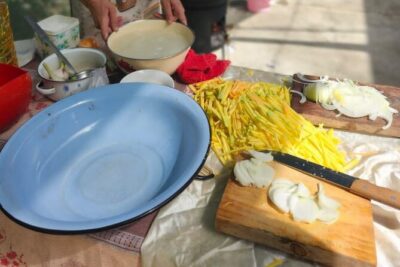
Cooking Class in the Village with Local Family in Samarkand
Read our review →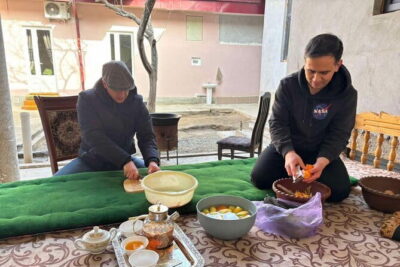
Samarkand Local Family Cooking Class and Siyob Bazaar Tour
Read our review →Browse the lists this tour appears in