
Reviewed · DAY TRIPS
One-Day Private Tour in the Old Town of Bukhara
Bukhara is at its best when its old brick lanes, blue-tiled monuments, and old trading domes begin to connect into one story. This private tour moves from the 1,000-year-old Ismail Samani Mausoleum to the Ark, Poi Kalon, craft markets, and Lyab-i-Hauz, giving you a useful first look at the city in five to six hours.
I especially like the private format, which lets your guide adjust the pace and answer questions about both medieval Bukhara and present-day Uzbekistan. I also like the practical mix of walking and an air-conditioned vehicle, useful when you are moving between the outer monuments and the compact old center.
The main consideration is time. Twelve stops in one day means some visits are short, and entrance fees for the Ark and Magoki Attori are extra. If you want long museum visits or quiet time at every monument, you may need to choose your priorities.
Key Points About This Bukhara Tour
- A full old-town introduction: See the Ark, Poi Kalon, Lyab-i-Hauz, major madrasahs, mosques, mausoleums, and trading domes in one outing.
- Private guiding: Only your group participates, so you can ask for more history, local culture, architecture, or current life in Uzbekistan.
- Several well-regarded guides: Madina, Nargiza, Shohruh, Saodq, and other guides have led tours in English and additional languages, including German and Japanese.
- Useful vehicle support: An air-conditioned vehicle helps connect the Ismail Samani Mausoleum and other points beyond the tight central lanes.
- Good value for a small group: The $67 price covers up to four people, making the per-person cost especially attractive for a couple or family.
- Two paid sights to budget for: The Ark costs $3.50 per person, while Magoki Attori Mosque and the carpet museum cost $2 per person.
Why This Private Tour Works Well as a Bukhara Introduction
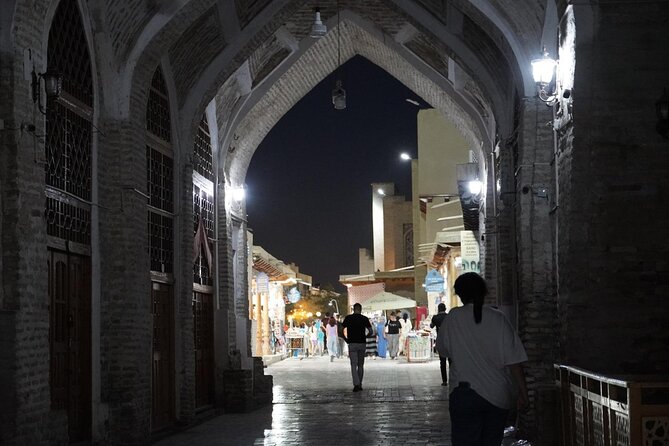
Bukhara can feel like several cities at once. There is the old fortress city, the religious center around Poi Kalon, the market district shaped by Silk Road trade, and the social heart around Lyab-i-Hauz. This tour links those areas instead of leaving you to work out the geography alone.
You begin at Lyabi Khause Square and finish at the Ismail Samani Mausoleum according to the stated meeting points, though pickup is offered and past arrangements have included hotels, the airport, and the train station. Confirm your exact pickup and drop-off details when booking, since the listed start and end points are not in the same part of town.
The tour is private, so the day can respond to your interests. If you care about architecture, ask your guide to compare the madrasahs. If you want a better sense of modern Uzbekistan, guides such as Madina and Shohruh have been praised for explaining current cultural and social life, not only dates and dynasties.
The guide team is one of the strongest reasons to consider this experience. Madina has led tours in English, German, and Japanese, while Saodq has been described as speaking five languages. Nargiza is noted for patience and flexibility, and Shohruh, often called Sho, has arranged transfers connected with hotels, the airport, and train travel. Guide assignment can vary, so request a preferred language or a female guide if that matters to you.
More Day Trips in Bukhara
- Bukhara One Day Tour – Departure From Tashkent
★ 4.5 · 37 reviews - Bukhara-Shakhrisabz-Samarkand One Day Trip
★ 4.1 · 16 reviews - Samarkand – Shakhrisabz – Bukhara One Day Trip
★ 4.6 · 11 reviews
Ismail Samani Mausoleum and Chashmai Ayub
The Ismail Samani Mausoleum is a strong opening stop because it looks simple at first, then rewards close attention. Its baked-brick patterns create changing shapes and shadows across the walls. The building is more than 1,000 years old and combines architectural ideas linked with three religious traditions.
You get about 20 minutes here, with admission not included. That is enough for an introduction and photographs, but not for a slow architectural study. If this is one of your main interests, tell your guide early so you can use the time well.
Next comes Chashmai Ayub, or the Mausoleum of Job. The site is connected with the story of the prophet Job and contains the Museum of Water Supply, which explains an important practical side of old Bukhara. In a dry region, water was never a minor matter. The stop gives you a break from grand religious buildings and helps explain how the city functioned.
The visit lasts about 20 minutes, and admission is not included. A newer museum building devoted to the life of the religious scholar Imam Al-Bukhari is also part of the route. The supplied details do not give a separate duration or entry price for this museum, so ask your guide what is open and included on your date.
Bolo Hauz Mosque and the Ark of Bukhara
Bolo Hauz Mosque offers a different mood. It is still a functioning mosque, with a long wooden colonnade and striking carved columns. The nearby square has benches and trees, making it a useful place to pause after the first monuments.
You have around 20 minutes here, and admission is free. Since it remains an active place of worship, follow your guide’s advice on respectful behavior and clothing. The calm square is also a welcome contrast to the scale of the Ark that follows.
The Ark of Bukhara was the citadel and residence of the city’s emirs. Its thick walls and raised position make it easy to understand as a seat of power. Inside, you can connect the fortress with the political story of Bukhara rather than viewing it as just another old wall.
The visit is scheduled for 40 minutes, the longest single stop on the route. Admission costs $3.50 per person. That fee is modest, but the short overall schedule means you should decide in advance how much time you want inside. One useful point from the tour experience is that an earlier start is better if entering and exploring the Ark matters to you. An evening outing may show you the city beautifully, but some attractions may not be open or may allow less time.
Poi Kalon and Bukhara’s Religious Center
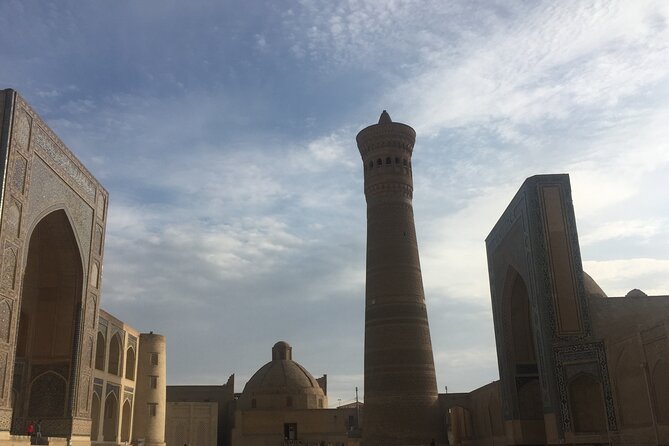
Poi Kalon is the visual centerpiece of old Bukhara. The 900-year-old Kalon Minaret rises above the square, while the Kalon Mosque and Miri-Arab Madrasah complete the famous group of buildings. The proportions are impressive, but the real value of a guide is learning how the square worked as a religious and public center.
The stop lasts about 30 minutes, and admission is not included. You may want to use part of the time simply to look across the square from different angles. The minaret is the main visual draw, but the mosque and madrasah give the setting its full meaning.
Because this is one of Bukhara’s most important sights, it can be tempting to rush straight to photographs. I would ask your guide about the role of religious schools, the purpose of the minaret, and how the city’s Islamic traditions fit into its wider Silk Road past. The tour description specifically aims to connect medieval architecture with Islam and long-distance trade, so this is a good place to ask those questions.
More Private Tours in Bukhara
- Best of Bukhara: All Day Private Old Town Tour
★ 5.0 · 66 reviews - Best of Bukhara: All Day Private Old Town Tour
★ 4.9 · 62 reviews - Bukhara Full Day Old City Private Tour
★ 5.0 · 46 reviews - Uzbekistan 8 Days Private Tour Tashkent-Urgench-Bukhara-Samarkand-Tashkent
★ 4.5 · 38 reviews
Taqi-Zargaron and the Old Trading Domes
Bukhara’s trading domes are among the most enjoyable parts of the route because they show the city as a place of work, not only a collection of monuments. Taqi-Zargaron contains craft workshops and shops selling silk carpets, ceramics, embroidery, and clothing.
The stop is about 20 minutes, with no admission fee. You will have time to browse, but not necessarily to compare every workshop at leisure. Prices and shopping are not described as included, so treat purchases as optional and ask questions before committing to anything.
Taqi-Telpakfurushon sits at the crossing of five old trading streets. Alongside miniature and embroidery workshops, the area includes a 16th-century bathhouse. That detail helps you picture the old commercial district as a complete urban system, with places to trade, worship, rest, and wash.
The route also includes Taqi-Sarrafon, another trading dome with souvenir shops and miniature workshops. Your guide can explain the old caravanserais connected with this district. Each market stop lasts around 20 minutes and is free to enter, so these sections are more about atmosphere, crafts, and orientation than formal museum visits.
Kosh Madrasah and Kukaldosh Madrasah
Kosh Madrasah consists of two religious schools facing one another. Their façades represent different historical periods, making the pair useful for comparing changes in style and decoration without crossing half the city.
The scheduled stop is about 20 minutes, and admission is not included. This is a place where a good guide can make a real difference. Ask for a simple comparison of the two façades rather than trying to remember a long list of rulers and dates.
Kukaldosh Madrasah is described as the largest madrasah in the old town. Its wall paintings show scenes from daily life in old Bukhara, which gives you something more personal than formal architectural decoration. The visit lasts about 30 minutes and is free.
I like this stop because ordinary routines often make the past easier to understand. Shops, clothing, work, study, and street life tell you how people used the city. The paintings may be especially useful if you want more than a parade of grand buildings.
Magoki Attori and the Carpet Museum
Magoki Attori Mosque sits lower than the surrounding street level, a clue to how much the ground level of Bukhara has changed over time. Its earlier religious use is linked with a fire temple, giving the site a layered story that reaches beyond the Islamic period.
The stop takes about 20 minutes. Admission to the mosque and carpet museum costs $2 per person and is not included in the tour price. That small extra charge is easy to budget for, but carry enough local currency or confirm payment arrangements with your guide.
This is one of the places where Bukhara’s religious past feels especially complex. Rather than presenting the city as belonging to only one era, the site points to older beliefs and later changes. The nearby carpet museum adds a craft connection to the market stops.
Lyab-i-Hauz and the Final Stop
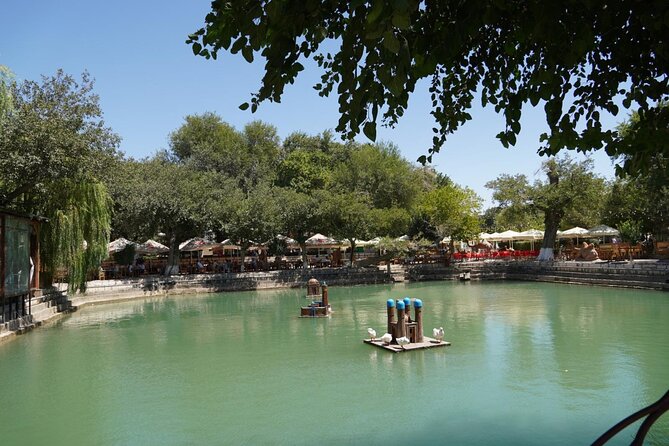
Lyab-i-Hauz is one of the best places to slow the pace. The ensemble includes the Devonbegi Madrasah, Devonbegi Khanaka, and the pond at its center. Benches, shade, and drinks make the area a natural resting point after several hours of monuments and market streets.
The scheduled visit is about 30 minutes and free of charge. I would use this time to ask your guide about daily life in Bukhara, not just the buildings around the pond. The tour is designed to cover current trends as well as older traditions, and this relaxed setting suits that conversation.
The day ends at the Ismail Samani Mausoleum under the stated meeting details, though the exact transfer plan can vary. Since the route begins in the Lyab-i-Hauz area and includes vehicle use when needed, confirm where you will be collected and where you will finish.
What the $67 Price Really Gives You
The listed price is $67 per group of up to four people. For four people, that works out to $16.75 each before entrance fees. For two people, it is $33.50 each, still reasonable for a private five to six-hour tour with a vehicle.
The price includes an air-conditioned vehicle, but not entrance fees. The known paid admissions are $3.50 per person for the Ark and $2 per person for Magoki Attori Mosque and the carpet museum. Other stops are free or have admission listed as not included, so ask your guide which sites you will enter on the day.
The value improves if you want a flexible pace, hotel or station assistance, or a guide who can discuss more than architecture. It is less attractive if you prefer to wander alone, spend an hour in each museum, or avoid shopping areas entirely.
This is a private activity, so only your group participates. That matters in Bukhara, where you may want to pause for photographs, ask about religious customs, or adjust the balance between monuments and markets.
Who Should Book This Experience?
I would choose this tour for a first visit to Bukhara, especially if you have only one full day. It covers the key old-town sights while also showing the city’s craft and trading traditions.
It suits couples, families, and small groups who want a guide without paying a large per-person rate. Solo visitors can also benefit, particularly if they want help with transport and a flexible conversation about Uzbekistan.
The tour requires a moderate level of physical fitness. You should expect walking through historic areas, standing at monuments, and moving between stops. The vehicle reduces the longer transfers, but it does not turn the day into a sit-down sightseeing trip.
If you are sensitive to heat, request an early start. This is also the better choice if you want meaningful time inside the Ark. An evening walk can work for a short introduction, but opening hours may limit what you can enter.
Cancellation is free if you cancel at least 24 hours before the start time. Cancellations or changes within 24 hours are not refunded or accepted.
Should You Book the Bukhara Old Town Tour?
Book it if you want Bukhara explained by a flexible private guide rather than viewed as a set of disconnected monuments. The strongest features are the small-group format, the broad route, the air-conditioned vehicle, and guides such as Madina, Nargiza, Shohruh, and Saodq who can adapt the discussion to language and interests.
Skip it if you prefer to set your own schedule and spend long periods inside every site. For everyone else, $67 for up to four people is a fair price for a concentrated introduction to Bukhara, provided you budget for the two clearly stated entrance fees and request an early start for the Ark.
FAQ
How long does the private Bukhara tour last?
The tour lasts approximately five to six hours.
How much does the tour cost?
The price is $67 per group of up to four people.
Are entrance fees included?
No. The Ark of Bukhara costs $3.50 per person, and Magoki Attori Mosque and the carpet museum cost $2 per person. Other admissions may also be listed as not included, so confirm which interiors you will enter.
Is transportation provided?
Yes. An air-conditioned vehicle is included, and pickup is offered. The stated meeting points are Lyabi Khause Square for the start and Ismail Samani Mausoleum for the end. Past arrangements have also included pickup or drop-off at hotels, the airport, and the train station, so confirm your plan when booking.
Is this a private tour?
Yes. Only your group participates in the activity.
Can I request a female guide or a particular language?
A female guide is available. Guides have conducted tours in English, German, Japanese, and other languages, but you should request your preferred language when booking.
Just added around Bukhara
- Uzbekistan 6 Days Private Tour Khiva-Bukhara-Samarkand by Train★ 5.0 · 4 reviews
- Tashkent-Samarkand-Bukhara tour-3nights/4 days★ 5.0 · 5 reviews
- 6- Day Private Tour to Tashkent, Khiva, Bukhara and Samarkand★ 5.0 · 5 reviews
- Bukhara in a Day History, Culture, and Local Insight Private Tour★ 5.0 · 4 reviews
- Full-Day Private Guided Tour to Islamic 7 Saints of Bukhara★ 4.5 · 3 reviews
- Bukhara Walking Tour★ 5.0 · 4 reviews
- A Complete Chapter To Old Bukhara★ 5.0 · 5 reviews
- 2 Day Ukhum Hiking Tour from Bukhara★ 5.0 · 4 reviews
Day Trips, compared.
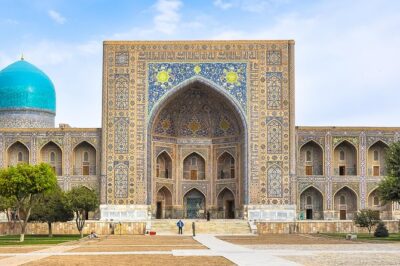
Samarkand One Day Tour – Departure From Tashkent
Read our review →
Samarkand One Day Tour: one day walking & group tour
Read our review →
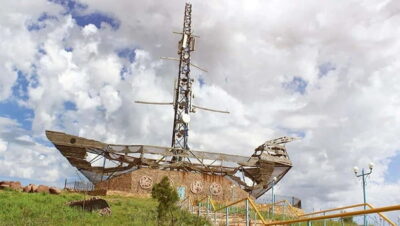
Daytrip from Khiva to Aral Sea Cemetery of Ships. All in one
Read our review →
Browse the lists this tour appears in