
Reviewed · DAY TRIPS
Shymkent Day Tour from Tashkent
Crossing from Uzbekistan into Kazakhstan gives this day trip its real appeal. In one outing, you move from Tashkent to Shymkent, a southern Kazakh city with Silk Road connections, Soviet layers, parks, mosques, and a hilltop citadel. I especially like the chance to visit the Repression Museum and the old fortress area, two stops that add substance beyond simple sightseeing.
I also like the flexible private format and the personal attention from guides such as Larissa, Maftuna, and Samandar. The main drawback is the border: it is unaccompanied, can involve repeated passport checks, and may turn an advertised eight-hour day into 10 to 12 hours. The $250 price per group of up to three buys convenience, but it is not the cheapest way to reach Shymkent.
Key points to know before booking
- A real international border crossing: You leave the Uzbek vehicle, walk through immigration, and meet a different driver in Kazakhstan.
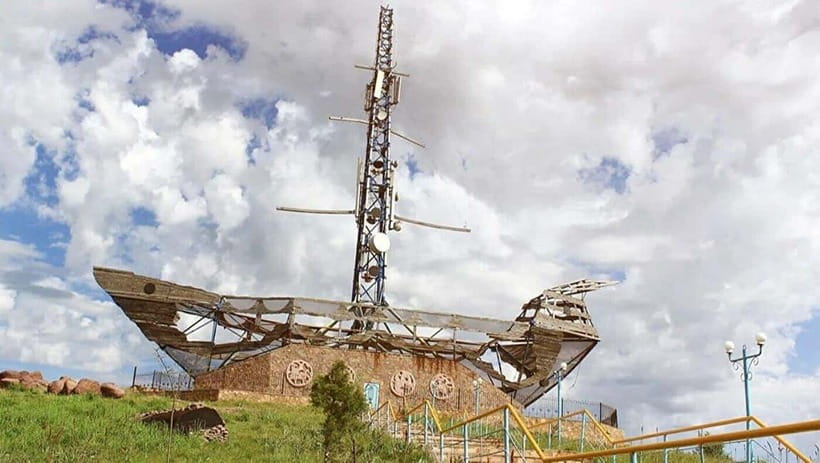
- Kazygurt adds a memorable rural stop: The sacred mound is linked to legends of Noah’s Ark and the old Silk Road.
- Shymkent’s citadel is the historical anchor: The high point gives you a broad view of the city.
- The Museum of Victims of Political Repression is powerful: It brings Soviet-era persecution into clear local focus.
- Private guiding makes the day flexible: Guides can adjust the pace and swap stops to match your interests.
- Allow more time than the headline suggests: Eight hours is possible on a smooth day, but border queues can stretch the outing well beyond that.
Why this Tashkent to Shymkent trip is worth considering
For visitors based in Tashkent, Shymkent is one of the easiest ways to add Kazakhstan to a Central Asian itinerary. The route covers about 240 kilometers in total, including the return to Tashkent, but the border makes the journey feel like more than a long city transfer.
You are not simply being driven to a nearby town. You must leave Uzbekistan, pass through both sides of border control, and change vehicles. That process takes effort, yet it also gives the day a clear sense of crossing into another country.
I like this tour best for people who want a guided introduction rather than a full independent trip to Shymkent. You get transport, a city guide, and help coordinating the two sides of the journey. You also avoid having to arrange a separate Uzbek transfer, Kazakh pickup, and local sightseeing plan.
The cost is $250 for a private group of up to three, not per person. For three people, that works out to about $83 each before meals and entrance fees. For one person, the price feels much harder to justify, especially since you still pay for food and monument tickets. The value comes from the private setup and the cross-border coordination, not from a low fare.
More Day Trips in Tashkent
- Samarkand One Day Tour – Departure From Tashkent
★ 5.0 · 313 reviews - Bukhara One Day Tour – Departure From Tashkent
★ 4.5 · 37 reviews - Khujand Day Tour from Tashkent
★ 4.0 · 35 reviews
The border crossing sets the rhythm
Your Uzbek driver collects you from a hotel, railway station, or airport and takes you to the Uzbekistan-Kazakhstan border. The crossing is done on foot, without the driver accompanying you through immigration. Once you clear the Uzbek and Kazakh checkpoints, a Kazakh driver meets you on the other side.
This is the part of the day you need to understand clearly. The vehicle changes at the border, and you may have repeated passport checks. One person completed the crossing in about 20 minutes, while others reported around an hour in one direction and 90 minutes in the other. Crowding and queues can vary by day.
The practical advice is simple: start as early as possible, keep your passport easy to reach, and do not schedule a flight or tight evening connection after the tour. A smooth crossing can make the eight-hour schedule work. A slow crossing can turn the day into an 11-hour outing, with less time in Shymkent.
The crossing itself is not described as technically difficult, but it can test your patience. You may need to be firm in a crowded line and stay calm when the process slows. The two drivers are there to meet you on their respective sides, but you should not expect an escort through immigration.
Kazygurt and the story of Noah’s Ark
After meeting the Kazakh driver, the route heads toward Shymkent. Along the way, you may see camels, farms, and livestock areas. There can also be a chance to try mare’s milk, a distinctly Kazakh taste that gives the drive a local touch.
The main rural stop is the Sacred Mound of Kazygurt. Local belief connects the mountain with Noah’s Ark, said to have landed at its summit. The area is also linked to the old Great Silk Road, so your guide can connect the religious legend with the region’s older role as a route for people, goods, and armies.
This stop is not a polished blockbuster attraction. Its value comes from the story, the open setting, and the chance to get out of the car before reaching the city. If you prefer monuments with extensive museum displays, Kazygurt may feel brief. If you enjoy local beliefs and roadside places with cultural meaning, it gives the day character.
The return route may include photo stops at green camps in April and May, along with farms and livestock areas. These stops depend on weather, timing, and the guide’s judgment, so treat them as possible extras rather than fixed highlights.
Shymkent’s citadel gives the city its story
Shymkent is described as at least 800 years old, while the citadel area is associated with a much older settlement, sometimes dated to more than 2,200 years. Those dates reflect different parts of the city’s past, and your guide can help sort out the layers.
The city grew along routes connected with the Great Silk Road. Medieval accounts link Shymkent with events during Tamerlane’s campaigns in 1365 and 1366. Genghis Khan’s forces also captured the city in the 13th century. These details matter because Shymkent was not built as an isolated provincial center. Its position made it part of the movement between Central Asia and the steppe.
The citadel is the strongest place to begin understanding the city. The old town area includes preserved religious structures, including an old mosque and minaret. The citadel also occupies the highest point in Shymkent, giving you a city view that helps make sense of the modern streets around it.
Do not expect a preserved medieval town on the scale of Khiva or Bukhara. Shymkent’s old center is more compact and mixed with later development. Its interest comes from seeing older foundations within a living city.
Below the citadel, the Ordabasy Complex occupies a shopping area. The nearby Zher Ana Complex represents Kazakhstan’s independence and freedom. These newer public spaces show how the city presents its past and national identity today.
Same city, a completely different kind of day:
- Best of Tashkent Mountains: Amirsoy, Chimgan & Charvak Trip
★ 4.8 · 567 reviews - Tashkent City Tour
★ 5.0 · 121 reviews - Amirsoy, Chimgan & Charvak Full-Day Adventure
★ 4.9 · 82 reviews - Tashkent: Historical City Highlights Guided Walking Tour
★ 4.8 · 71 reviews
Parks and public squares show modern Shymkent
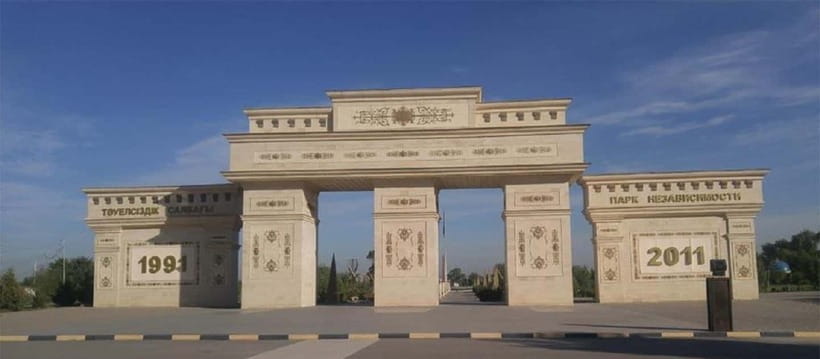
The sightseeing continues through a series of parks and civic spaces. Independence Square opened in 2011 in the historic part of the city and is the largest and newest park listed on the route. It gives you a sense of how modern Shymkent has reshaped its central areas.
Metallurgists Park offers a different mood. It was built before the Second World War in a quarter constructed by German and Japanese prisoners of war. That detail adds a difficult human layer to what might otherwise seem like a pleasant green space. I would pay attention here to what your guide says about the park’s construction and the city’s Soviet period.
Arbat Shymkent is the city’s local Broadway, a pedestrian-oriented business and leisure area that functions as a social center. One of its more playful attractions is an upside-down house, now popular with local residents. It is a light stop after the citadel and the political history museum, and it gives the itinerary some variety.
The exact balance between parks, monuments, and museums can change. Private touring is useful here because you can tell the guide what interests you most. If you are drawn to architecture and history, you can spend more time at the citadel and museum. If you want an easier day with open spaces and city views, the parks and squares can take a larger share of the schedule.
The Repression Museum deserves serious time
The Museum of Victims of Political Repression is one of the most meaningful stops in the itinerary. It focuses on Stalin’s repression of the Kazakh people and helps explain a painful part of Kazakhstan’s 20th-century past.
This is not a quick photo stop. The subject is somber, and the museum may affect the mood of the day. I would not skip it simply because it is difficult. A visit here gives political context to the monuments, public squares, and national symbols you see elsewhere in Shymkent.
The quality of the experience depends heavily on the guide’s explanations and your available time. Larissa, who has guided many of the Shymkent visits, is known for giving background and answering questions in clear English. Maftuna has also been praised for her storytelling and for connecting the sites with broader Central Asian history.
Ask for enough time at the museum if this subject matters to you. On a delayed day, the border may reduce your time in the city, and some visitors have had less than two hours with their guide. A private group gives you a better chance of protecting the stops that matter most.
Mosques, churches, and Abay Park
Religious buildings add another layer to the city tour. The route may include a central or white mosque, which one visitor described as a favorite stop, as well as the Russian Orthodox Cathedral of St. Nicholas.
The cathedral was built in 1988 during the Soviet reform period known as perestroika. That date makes it unusual in the itinerary. It reflects a late Soviet moment when religious life was changing, rather than representing the city’s medieval or early modern past.
Abay Park is named for Abai Kunanbayev, the Kazakh poet, educator, and founder of modern Kazakh literature and philosophy. At its center is the Alley of Glory, a memorial complex connected with the Second World War. The Memorial of Glory is the focal point.
I like this part of the route because it moves beyond a narrow list of old buildings. You see how Shymkent remembers war, honors national figures, expresses religious identity, and creates modern public space. The stops are not all equally dramatic, but together they give you a better feel for the city than a single fortress visit would.
Lunch, tickets, and what the price covers
Lunch is not included. The guide can recommend restaurants, and one visitor particularly enjoyed a Kazakh lunch, but you should budget separately for the meal. Food in the city is one of the better ways to make the day feel less like a checklist, so I would ask the guide about local options rather than rushing through an unfamiliar fast-food stop.
Entrance tickets to the listed monuments and museums are also excluded. The supplied information does not give a total ticket cost, so check the current prices before you set your budget.
Included are a professional guide and air-conditioned transport in both countries. The private group format is important: the $250 rate covers up to three people, so sharing the tour makes a major difference to its value. Solo visitors pay the same group price unless the booking terms offer another arrangement.
There are restrictions on food and drinks inside the vehicle. Wear comfortable shoes and comfortable clothes, since the day includes walking at the citadel, parks, public squares, and border facilities. The operator does not take responsibility for weather, so conditions may affect outdoor stops and photo opportunities.
Guides make the difference
The strongest part of this experience is the guide in Shymkent. Several guides are used, including Larissa, Maftuna, Samandar, Mohammed, and Nuriddin. The best accounts describe guides who explain the city clearly, listen to individual interests, and adjust the schedule when needed.
Larissa is especially associated with flexible tours. She has adapted itineraries for families with a three-year-old child, changed activities to match a visitor’s interests, and added context at the museum, parks, and religious sites. Maftuna is described as personable and multilingual, with an easy conversational style. Samandar has guided the full route, including the border process, on some departures.
That flexibility matters because the listed itinerary is ambitious. You cannot assume you will give equal time to Kazygurt, the citadel, the museum, every park, the mosque, the cathedral, and Abay Park if the border is slow. Tell the guide early what you care about most.
English and Russian are available. The actual guide may speak additional languages, but you should confirm your preferred language when booking if that is important.
Who should book this Shymkent day trip?
I would recommend it to history-minded visitors based in Tashkent who want a supervised first look at Kazakhstan without planning an overnight stay. It also suits couples, small families, and friends who can share the $250 group cost.
The tour is a good match if you value a personal guide, want to see several parts of Shymkent in one day, and are comfortable with an unpredictable border. It is especially useful for visitors who would rather ask questions and adjust the itinerary than follow a fixed coach schedule.
I would hesitate if you need a guaranteed eight-hour day, dislike queues, or have a flight soon after returning to Tashkent. Independent visitors may also find the price high, since it is possible to arrange the crossing and local transport yourself. The tour earns its cost through organization and convenience, not through speed.
Cancellation is free up to 24 hours before departure, and you can reserve without paying immediately. Pickup is available from a hotel, railway station, or airport, with a request to wait in the lobby five minutes before the scheduled time. The tour is wheelchair accessible, though the border walk and the physical layout of historic sites are worth discussing with the provider in advance.
Should you book it?
Book this tour if you want a practical, guided taste of southern Kazakhstan and can give the day room to run long. The citadel, Repression Museum, Kazygurt legends, and flexible guiding make it more worthwhile than a simple cross-border transfer.
Share the cost with two other people if possible, start early, and keep your return plans open. If the border behaves, you will see a useful mix of old Shymkent, modern Kazakhstan, and local public life. If it does not, patience becomes part of the experience.
FAQ
How long does the Shymkent day tour from Tashkent take?
The advertised duration is eight hours, but border queues can make the day longer. Some departures have taken about 10 to 12 hours from hotel pickup to hotel return.
How far is the Tashkent to Shymkent route?
The complete route from Tashkent to Shymkent and back is about 240 kilometers.
Is the border crossing accompanied by the guide or driver?
No. You leave the Uzbek vehicle and cross the border on foot. A different driver meets you on the Kazakh side, and the vehicle changes at the border.
How much does the private tour cost?
The price is $250 per private group of up to three people. Lunch, entrance tickets, and personal expenses are not included.
What languages are available?
The tour is available with a live guide in English or Russian.
Is hotel pickup included?
Yes. Pickup is available from your hotel, railway station, or airport. You should wait in the hotel lobby five minutes before the scheduled pickup time.
What places can you see in Shymkent?
The route can include the citadel, Ordabasy Complex, Zher Ana Complex, Independence Square, Metallurgists Park, Arbat Shymkent, the Museum of Victims of Political Repression, St. Nicholas Cathedral, Abay Park, and a mosque.
Is lunch included?
No. The guide can recommend restaurants, but you pay for lunch separately.
What should you bring?
Bring comfortable shoes, comfortable clothes, and your passport for the international border crossing. Food and drinks are not allowed in the vehicle.
Just added around Tashkent
- Uzbekistan Tour – 6 Days 5 Nights★ 5.0 · 4 reviews
- Private Intercity Transfer Tashkent – Samarkand – Tashkent★ 3.5 · 3 reviews
- Tashkent-Samarkand-Bukhara tour-3nights/4 days★ 5.0 · 5 reviews
- Tashkent Mountain Tour Amirsoy with Transport★ 3.5 · 3 reviews
- Private Tashkent City Tour★ 5.0 · 3 reviews
- Tashkent Food and Metro Journey★ 5.0 · 4 reviews
- Tashkent City Tour with Hotel Pickup and Drop off★ 4.5 · 4 reviews
- Transfer Tashkent Airport / Railway Station – Hotel★ 3.5 · 3 reviews
Day Trips, compared.
Samarkand One Day Tour – Departure From Tashkent
Read our review →
Samarkand One Day Tour: one day walking & group tour
Read our review →
Daytrip from Khiva to Aral Sea Cemetery of Ships. All in one
Read our review →
Browse the lists this tour appears in