
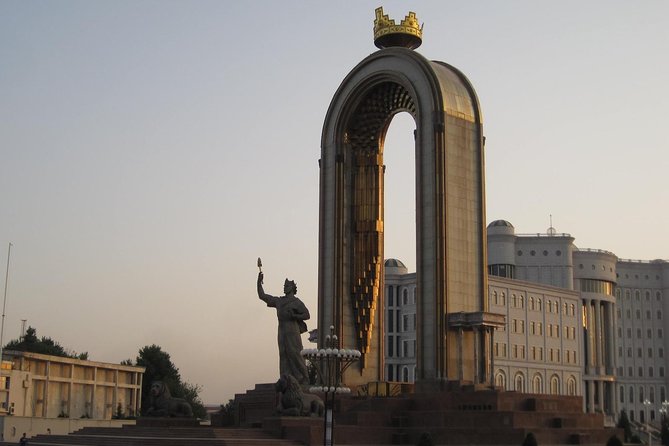
Reviewed · TAJIKISTAN EXCURSIONS
Khujand Day Tour from Tashkent
Khujand is a practical way to add Tajikistan to a Tashkent trip without committing to a longer Central Asian route. The reward is a day of market smells, old fortress walls, mosque architecture, and a very real overland border crossing.
I like the chance to see Panjshanbe Market, Tajikistan’s largest market, and the way the local guide gives the city more meaning than a quick self-guided walk. I also like the private format, since your group gets its own transport and guide. The catch is the border crossing, which can involve several checkpoints, long walks, and little English signage.
Key points to know before booking
- Crossing the border on foot: You leave the Uzbek vehicle, pass through several checkpoints, and meet a different driver and guide on the Tajik side.
- A short visit to an old Silk Road city: Khujand connects the Fergana Valley, Samarkand, and routes toward China.
- Panjshanbe Market is the liveliest stop: Expect fruit, food, local shoppers, and a noisy working market rather than a polished tourist attraction.
- Guides make a real difference: Aziz and Jahongir are named by guests as strong English-speaking guides, though the assigned guide may vary.
- Visas are your responsibility: The Tajikistan e-visa is not included, and you need at least a double-entry Uzbekistan visa for the return.
- Allow for a demanding day: The advertised visit lasts about 7 to 8 hours, but border procedures make timing less predictable.
Why Khujand makes sense as a day trip from Tashkent
Khujand is roughly 2,500 years old and has had several lives. It was founded under Cyrus, later rebuilt and strengthened by Alexander the Great, and given the name Alexandria the Furthest. Its position mattered because trade routes linked Samarkand with the Fergana Valley and China.
You will not experience all of that history in a single day. You will, however, see pieces of it in a compact city visit. The market shows daily life. The fortress and museum explain the city’s earlier layers. The mausoleum brings in Islamic architecture and the memory of Sheikh Muslihiddin, a 12th-century ruler and poet.
The appeal here is not a long list of grand monuments. It is the chance to see how a Tajik city feels after leaving Uzbekistan. The cultural shift begins at the frontier, then continues in the food, language, architecture, and pace of Khujand.
At $135 per person, the price is not cheap for a seven- or eight-hour excursion. You are paying for private transport, a professional certified guide, and the convenience of arranging a difficult cross-border day. The value depends heavily on your passport, visa costs, and how much you care about adding Tajikistan to your trip.
If you only want another attractive Central Asian city, the long road and border may not justify the cost. If you want to set foot in Tajikistan and have limited time, this is one of the more direct ways to do it.
More Day Trips in Tashkent
- Samarkand One Day Tour – Departure From Tashkent
★ 5.0 · 313 reviews - Shymkent Day Tour from Tashkent
★ 4.6 · 71 reviews - Bukhara One Day Tour – Departure From Tashkent
★ 4.5 · 37 reviews
Leaving Tashkent and reaching the frontier
Pickup is from Hotel Uzbekistan on Mirzamakhmud Musakhanov Street, with the activity ending back at the same meeting point. The Uzbek driver takes you toward the border, but do not assume this driver will be your English-speaking guide. Several people arrived at the frontier with a driver who spoke little or no English.
That matters because the border is not a simple stroll through one passport booth. You may show your passport at several Uzbek and Tajik checkpoints. Cars have their trunks and hoods checked, while people walk from building to building and around waiting vehicles.
The walk itself can be long. One account describes showing a passport six times, while another puts the crossing at about 40 minutes. In easier conditions, the return took around 20 minutes, but you should not plan your day around the fast example.
English signs are not available throughout the crossing. You may need to follow the flow of people and watch for your guide or driver. The border officials are described as polite and professional, but the process can still feel confusing, especially if you have never crossed a Central Asian land border.
A useful point is that the driver may leave the car on the Uzbek side while you walk across. On the Tajik side, a second vehicle collects you. This arrangement can save time compared with taking a car through, but it makes meeting points especially important.
The most serious weakness is the handoff at the frontier. Most of the time, the Tajik guide is waiting and the transfer works. But some people had trouble finding the guide or waiting for the return driver. Keep the operator’s phone number available, and confirm exactly where you should meet on both sides before leaving Tashkent.
Panjshanbe Market: Khujand’s best first stop
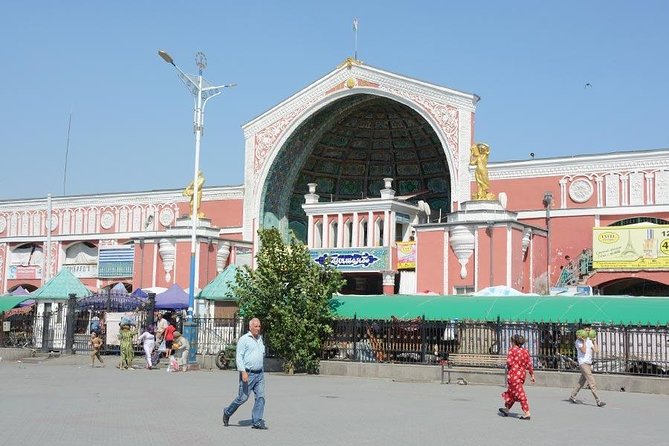
Panjshanbe means Thursday, the traditional market day in Khujand. The covered market is one of the city’s main sights and is probably the most vivid part of the visit.
Expect a working food market, not a quiet museum. Fruit is a major attraction, with the chance to see the produce that gives the Fergana Valley much of its character. You may also find local foods and shoppers going about ordinary business. A guide can help you understand what you are seeing and may help you try unfamiliar food.
The market visit is scheduled for about 40 minutes. That is enough for a quick orientation and a few photographs, but it is not enough for a relaxed food tour. Some people felt too much time was given to the bazaar compared with the city’s other sights, while others considered it a highlight.
Your own interest should decide how you view the timing. If you enjoy markets, 40 minutes may pass quickly. If you prefer monuments and museums, you may wish the guide moved on sooner. Either way, stay with the guide and keep track of the meeting point. A market is not the place to wander far when the group has a fixed schedule.
Khujand Fortress and the city’s oldest layers
The fortress sits at the heart of Khujand’s long story. For about 2,500 years, it expanded with the city, was destroyed by conquerors, and was rebuilt more than once. What you see today is not one untouched ancient structure, but a site shaped by repeated rebuilding.
The stop lasts around 40 minutes. That gives you time to understand the fortress’s role and view the surviving or restored sections, but not to explore every archaeological detail.
This is where a good guide earns the fee. The walls alone do not explain how Khujand connected trade routes or why control of the city mattered. A guide such as Aziz or Jahongir can place the fortress in the wider story of Tajikistan, the Silk Road, and regional power.
The city visit does not appear to include a long walking tour through every historic street. If you want more time beside the river or a slower look at the old center, this excursion may feel compressed. The route is built around several short stops, not a leisurely day in one neighborhood.
More trips over the border into Tajikistan:
- Full Day Private Tour in Seven Lakes from Samarkand
★ 5.0 · 94 reviews - Tour From Samarkand To Tajikistan: Seven Lakes
★ 5.0 · 34 reviews - Seven Lakes of Tajikistan Full Package Excursion from Samarkand
★ 5.0 · 26 reviews - Seven Lakes Tajikistan: All-Inclusive Private Day Tour
★ 5.0 · 11 reviews
The archaeology and fortification museum
Part of the eastern fortress wall, dated to the eighth through 10th centuries, was restored in 1999. The adjoining Historical Local Lore Museum of Archeology and Fortification adds objects and explanation to the stones outside.
You get about 40 minutes here. That is a useful amount of time for a focused introduction, particularly if you want context for the fortress. The museum is also a break from the heat and street activity, which can matter during a summer visit.
The museum’s value depends on your interest in history. One person found it interesting but not enough by itself to justify the long day from Tashkent. That is a fair assessment. The museum is not the sole reason to cross the border, but it helps turn a collection of ruins into a more understandable story.
Check the admission wording before you book. The stop details say admission is included, while the general terms say all fees and taxes are not included. At least one person was told on arrival that entrance fees were extra and missed the museum and mausoleum as a result. Another paid for replacement admissions.
This is not a minor detail when you are already paying $135. Ask the operator in writing whether the museum and mausoleum tickets are covered on your date. Carry some Tajik somoni for small admission charges and personal expenses, even if the answer is yes.
Sheikh Muslihiddin Mausoleum and the religious center
The mausoleum is part of a larger memorial complex in Khujand’s historic quarter. It honors Muslihiddin Khujandi, a 12th-century city ruler and poet.
The scheduled visit is about 30 minutes. That is enough to see the main architectural features and listen to an explanation, but it is brief if you want a slow look at the complex or time for quiet reflection.
A strong local guide can make this stop much more useful. One guide helped explain prayer rituals inside a mosque, which gives you a better chance of understanding the place respectfully rather than treating it as another photograph.
The short stop also shows the limits of this day trip. Khujand has more to offer than four quick visits, but the border crossing consumes a large part of the day. If your main goal is religious architecture and old-city atmosphere, a longer stay in Khujand would give you more room.
Lunch, local food, and the time pressure
Meals are not included. Some groups have had a typical local lunch during the Khujand portion, but the exact restaurant and meal are not specified, so you should budget separately and ask the guide about timing.
The market is a good place to ask about food, fruit, and local habits. A guide can help you choose something sensibly, especially if you do not read the language. Still, do not expect a full food-focused tour. The main route is designed to cover the city’s main sights and get you back to the border.
The drive and border procedures can take about two hours each way, according to one detailed account. That leaves only a few hours in Khujand. Some people wanted an extra hour or two in the city, and I think that is a reasonable wish.
The tradeoff is clear: this is a country-sampling trip, not a relaxed Khujand holiday. You see enough to decide if Tajikistan deserves a longer visit later.
Guides, drivers, and the private format
The activity is private, so only your group participates. That gives you more control than a large bus tour, although the schedule is still shaped by the border and the fixed return transfer.
The Tajik guide is the most important person during the city visit. Aziz is described as an English-speaking guide who explained Khujand clearly, while Jahongir is praised for his experience and information about Tajik history and culture. Assignments can change, so treat those names as examples rather than a guarantee.
The Uzbek driver is a different matter. Some drivers were punctual and friendly, including a driver named Joe, while others spoke no English. One serious complaint involved a driver described as unsafe and poor at communication. The wider pattern is mixed, so confirm the pickup details and do not expect a full guide service before the border.
Air conditioning is also worth checking if you travel in summer. One vehicle was uncomfortable because the cooling was inadequate. In hot weather, the border walk and crowded market can make a poorly cooled car a real nuisance.
Visas, documents, and who should take this trip
The Tajikistan e-visa is not included. You also need at least a double-entry Uzbekistan visa because you leave Uzbekistan and return to it. Visa rules vary by nationality, and one UK passport holder found the Tajik visa awkward and expensive.
Do not book first and check later. Confirm your nationality’s Tajik entry rules, the Uzbek re-entry requirement, and the time needed for approval. A visa problem can ruin the day before it begins, and cancellation is free only when made at least 24 hours before the start time.
This trip suits you if:
- You want a quick, practical taste of Tajikistan.
- You are comfortable walking through several border checkpoints.
- You enjoy markets, local history, and guided cultural visits.
- You have limited time in Central Asia.
- You can manage a long, changeable day.
It is less suitable for young children, anyone needing a relaxed pace, or anyone who finds unclear border procedures stressful. It is also a poor fit if you want several hours for independent wandering in Khujand.
Should you book the Khujand day trip?
I would book this tour if your main goal is to add Tajikistan to a Tashkent visit and you accept that the border is part of the experience, not a brief formality. The market, fortress, museum, and mausoleum give you a solid first look, and a strong local guide can make the short city visit worthwhile.
I would not book it without confirming visa requirements, entrance fees, the exact border meeting plan, and the language support available before you cross. Ask specifically whether museum and mausoleum admissions are included, since the information is inconsistent.
At $135, the tour buys convenience and a private cross-border setup. It does not buy a leisurely day. Book it for the chance to say you have seen Khujand and Tajikistan, not because you expect to uncover every corner of this old Silk Road city.
FAQ
How long does the Khujand day tour take?
The stated duration is approximately 7 to 8 hours. Border processing can vary, so the total day may feel longer or less predictable than the advertised time.
Where does the tour start and end?
Pickup and return are at Hotel Uzbekistan, Mirzamakhmud Musakhanov Street 45, Tashkent. The activity ends back at the meeting point.
Is transportation included?
Yes. Transportation and a professional certified guide are included. You normally use one vehicle on the Uzbek side and a different vehicle after crossing into Tajikistan.
Do I need a Tajikistan visa?
The Tajikistan e-visa is not included. Visa requirements depend on your nationality, so you must check and arrange the correct permission before booking.
Do I need a double-entry Uzbekistan visa?
The provided conditions state that you need at least a double-entry Uzbekistan visa because the route returns to Uzbekistan after the Tajikistan visit.
Are meals and entrance fees included?
Meals, personal expenses, and all fees and taxes are listed as excluded. The individual stop details describe admission as included, but the information is inconsistent, so confirm the museum and mausoleum fees with the operator before departure.
Just added around Tashkent
- Uzbekistan Tour – 6 Days 5 Nights★ 5.0 · 4 reviews
- Private Intercity Transfer Tashkent – Samarkand – Tashkent★ 3.5 · 3 reviews
- Tashkent-Samarkand-Bukhara tour-3nights/4 days★ 5.0 · 5 reviews
- Tashkent Mountain Tour Amirsoy with Transport★ 3.5 · 3 reviews
- Tashkent City Tour with Hotel Pickup and Drop off★ 4.5 · 4 reviews
- Private Tashkent City Tour★ 5.0 · 3 reviews
- Tashkent Food and Metro Journey★ 5.0 · 4 reviews
- Transfer Tashkent Airport / Railway Station – Hotel★ 3.5 · 3 reviews
Tajikistan Excursions, compared.
Full Day Private Tour in Seven Lakes from Samarkand
Read our review →
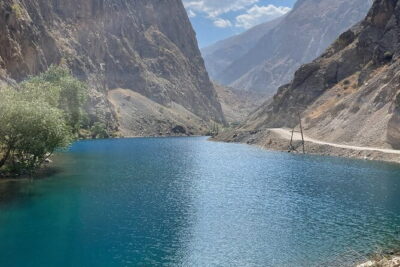
Seven Lakes of Tajikistan Full Package Excursion from Samarkand
Read our review →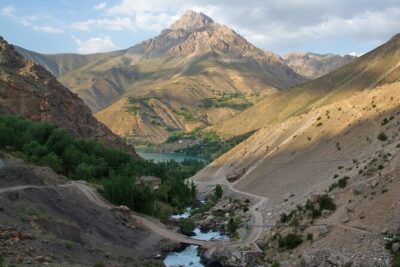
Seven Lakes Tajikistan Private Excursion From Samarkand
Read our review →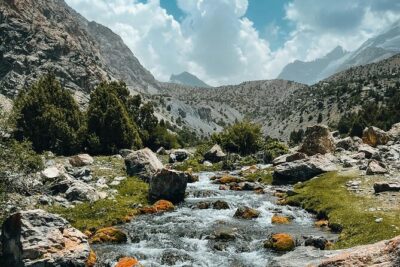
Seven Lakes Tajikistan: All-Inclusive Private Day Tour
Read our review →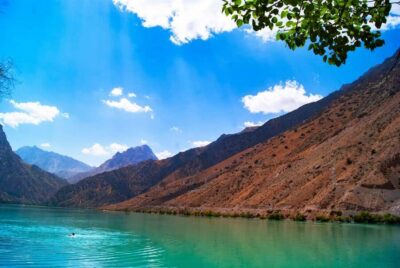
Day Tour from Samarkand Explore Panjakent and Seven Lakes
Read our review →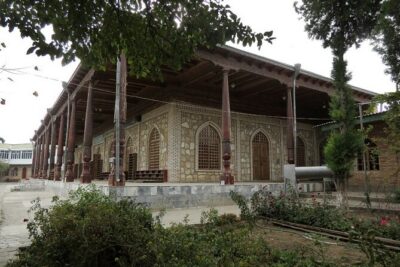
Browse the lists this tour appears in