Reviewed · TRAIN EXPERIENCES
Uzbekistan 3 Day Private Tour Tashkent-Bukhara-Samarkand Bullet Train
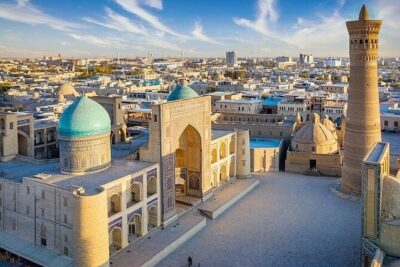
Bukhara’s old trading domes, Samarkand’s blue-tiled monuments, and the smooth ride of Uzbekistan’s bullet trains make this a strong introduction to the country. I especially like the private format, which keeps the schedule flexible for your own party, and the fact that train tickets, hotels, guides, breakfasts, and entrance fees are bundled into one price. The main catch is simple: three days is tight, and the first afternoon in Bukhara can feel hot and rushed.
I also like the handoff between local guides. Guides such as Muhlio or Malika in Bukhara and Max in Samarkand have been praised for clear English and strong local knowledge. Just remember that train departures depend on availability, and the early start, long sightseeing days, and late return to Tashkent demand good energy.
Key points at a glance
- Three Silk Road cities in three days: Tashkent, Bukhara, and Samarkand are linked by high-speed train rather than long road transfers.
- Private sightseeing: Only your party joins the guided visits, with licensed guides in each city.
- Bukhara’s essential sights: See Poi Kalyan, the Ark, Bolo Hauz Mosque, the trading domes, and Lyab-i-Hauz.
- Samarkand’s headline monuments: Registan, Gur Emir, Shah-i-Zinda, Bibi Khanym, Siab Bazaar, and Ulugh Beg Observatory are all included.
- Hotels and admission are covered: Two nights, two breakfasts, monument tickets, transport, and taxes are included in the $500 price.
- Plan for a brisk pace: The schedule is efficient but leaves little room for long meals, rest, or unexpected delays.
Why this three-day route works
Uzbekistan is a large country, and the distances between its famous historic cities can make independent planning awkward. This route solves the biggest problem by using high-speed trains from Tashkent to Bukhara, Bukhara to Samarkand, and Samarkand back to Tashkent.
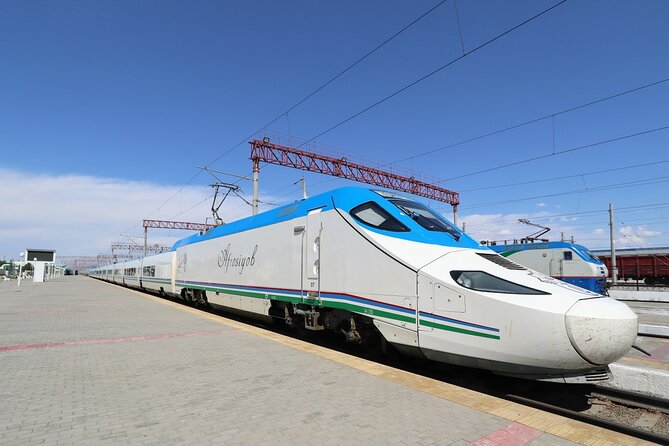
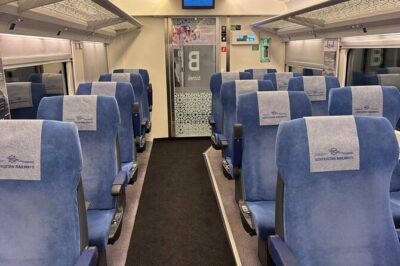
The train is the practical heart of the trip. The Tashkent to Bukhara journey takes about four hours, while the Bukhara to Samarkand and Samarkand to Tashkent legs take about two hours each. That gives you time to watch the country pass by without losing a full day to road travel.
At $500 per person, the price is not just paying for sightseeing. It includes two hotel nights, two breakfasts, train tickets, private vehicle transfers, guides, monument admission, taxes, and 24-hour customer service. If you were arranging each part yourself, the value would depend on hotel choice and train availability, but this package removes much of the work.
The tradeoff is speed. You are not getting a slow, lingering stay in each city. You are getting a well-organized first look at Uzbekistan’s major Silk Road centers, with the logistics handled for you.
More Private Tours in Bukhara
- Uzbekistan 8 Days Private Tour Tashkent-Urgench-Bukhara-Samarkand-Tashkent
★ 4.5 · 38 reviews - 6- Day Private Tour to Tashkent, Khiva, Bukhara and Samarkand
★ 5.0 · 5 reviews - Best of Bukhara: All Day Private Old Town Tour
★ 5.0 · 66 reviews
Day one: arriving in Bukhara and meeting the old city
The tour begins at 7:30 a.m. at Tashkent North Railway Station, also called Toshkent Railway Station. A pickup can be requested, but the standard arrangement begins at the station. The train ride to Bukhara takes about four hours, subject to ticket availability.
Once you arrive, a driver meets you at Bukhara Railway Station and takes you to your hotel. The station is in Kagan, roughly 10 kilometers from central Bukhara, so this transfer matters. You check in, meet your Bukhara guide, and begin sightseeing.
Your first major stop is Poi Kalyan, one of Bukhara’s most memorable architectural groups. The Kalyan Minaret rises about 45.6 meters and dates to 1127. It survived the Mongol conquests, which gives the monument unusual weight beyond its handsome brickwork. The mosque and minaret are central to Bukhara’s identity, and your guide can help explain how the site fits into the city’s religious and political past.
Next comes the Ark of Bukhara, a fortress that functioned as a royal town within the city. It served as the home of Bukhara’s rulers for more than a thousand years. The original beginnings are uncertain, but the site gives you a sense of how power was organized behind thick defensive walls.
Across from the Ark is Bolo Hauz Mosque, named for the artificial pool in front of it. The mosque and fortress form a striking pair, with political power on one side and religious life on the other. Allow about 30 minutes here. It is a shorter stop, but the setting makes it worthwhile.
The route then turns to Maghak-i Attari Mosque, described as the oldest mosque in Central Asia. Its site previously served Buddhist and Zoroastrian purposes, giving the building several layers of religious history. The stop is brief, but the brickwork rewards a close look.
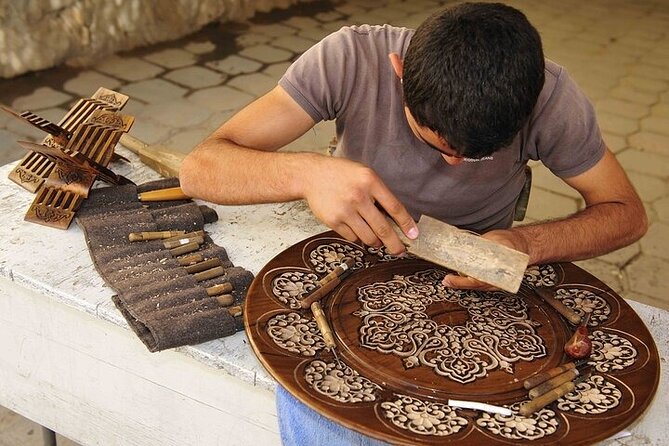
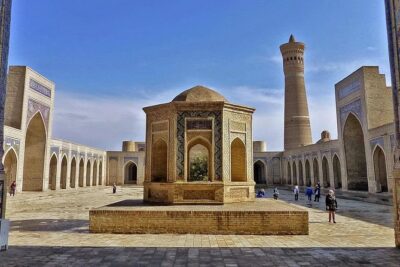
You will also have time at Bukhara’s trading domes, old market structures where artisans’ workshops and small shops give the area its traditional commercial character. This is the place to browse textiles, crafts, and souvenirs, though the schedule may not leave room for relaxed shopping.
The day ends at Lyab-i-Hauz, a popular square built around a pool and surrounded by historic buildings from the 16th and 17th centuries. It is one of the best places on the route to slow down for a moment. After a full day of travel and monuments, the water, shade, and open space provide a welcome pause.
The itinerary allows roughly eight hours of sightseeing in Bukhara on the first day, though some of that time includes transfers and hotel arrangements. In summer, this can be demanding. One past experience of the schedule found afternoon walking difficult when temperatures reached about 100 degrees Fahrenheit. If you are traveling in hot weather, ask whether the guide can begin with the most exposed walking earlier in the day.
The Bukhara hotel and the morning choice
Your package includes two nights in central 3 to 4-star or boutique hotels, with a twin or double room and breakfast. The hotels are intended to be comfortable and well located rather than luxurious. That distinction matters: you are paying for a convenient base and organized transport, not a resort stay.
Room arrangements should be confirmed carefully. A twin room was once requested but initially prepared as a double, creating avoidable stress at check-in. If you need separate beds, repeat that request before departure and again at the hotel.
Day two begins with free time in Bukhara. This is a useful breathing space after the first day’s heavy schedule. You can rest, revisit a favorite square, or take the optional countryside outing.
That optional tour can include the Emir’s Summer Palace, the Naqshbandi Mausoleum, and the Samani Mausoleum. It lasts about four hours and is not part of the core included sightseeing. Ask about the added cost and timing before committing, since you need to be back in time for the train.
The free morning is one of the better design choices in the program. Bukhara deserves more than a checklist, and this slot gives you at least a little control over your day. If you are visiting during hot weather, I would use it for a slow breakfast, an early walk, or indoor time rather than adding more activity automatically.
Bukhara to Samarkand by train
In the afternoon, you transfer to Bukhara Railway Station in Kagan and take the bullet train to Samarkand. The rail journey lasts about two hours, followed by a transfer to your Samarkand hotel.
This is an efficient way to change cities. You avoid a long road journey and arrive with enough time to settle in. The schedule does not describe a major evening sightseeing program in Samarkand, so treat this part of the trip as a transfer and rest period.
Train tickets are included for all three rail legs, but departures remain subject to availability. Confirmation is issued within 48 hours of booking, also subject to availability. If your dates are fixed, book well ahead. The experience is commonly reserved more than a month before departure, and train capacity can affect the final plan.
More Private Tours in Samarkand
- Samarkand One Day Private Tour from Tashkent with Bullet Train
★ 4.5 · 9 reviews - Private Intercity Transfer Tashkent – Samarkand – Tashkent
★ 3.5 · 3 reviews - Private Samarkand City Tour With Transportation
★ 5.0 · 149 reviews - Full Day Private Tour in Seven Lakes from Samarkand
★ 5.0 · 94 reviews
Day three: Samarkand’s grand monuments
Day three is the visual high point for many people. Samarkand’s monuments are larger and more theatrical than Bukhara’s, and the route covers nearly all of the city’s essential historic stops.
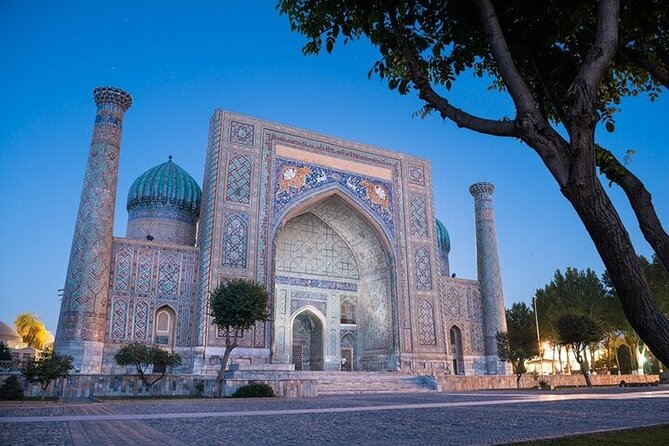
You begin at Registan, the great square framed by three madrasas: Ulugh Beg, Sher-Dor, and Tilla-Kari. The site became the city’s main square after life in ancient Afrosiab declined. Give this stop the full two hours listed. The scale, tile patterns, and different facades deserve more than a quick photograph.
Next is the Gur Emir Mausoleum, the tomb of Timur, also known as Tamerlane. The building dates from 1404 to 1405 and is closely tied to the ruler’s memory and legacy. The interior is especially important, but the visit also helps explain Samarkand’s role as the center of Timur’s empire.
The Shah-i-Zinda ensemble takes you to the southeastern mound of Afrosiab. It contains 44 tombs spread across more than 20 mausoleums. The complex is one of Samarkand’s most detailed architectural sites, but it involves walking and steps, so comfortable shoes are useful.
At Bibi Khanym Mosque, you see one of the best-known monuments in Central Asia. Timur ordered its construction between 1399 and 1404, and it was named for his wife. The enormous scale reflects the ambition of the period, though the site can feel more exposed and less intimate than the smaller mausoleums.
Nearby, Siab Bazaar offers a change of pace. Its produce and handicrafts give you a look at everyday commerce rather than royal architecture. The stop is only about 30 minutes, so consider it a quick taste of the market rather than a full shopping session.
The final major sight is Ulugh Beg Observatory, associated with Timur’s grandson, Ulugh Beg. Only the foundations remain, but the site recalls his work as an astronomer, scientist, and architect. It adds an important intellectual note to a day otherwise focused on rulers, mosques, and tombs.
At the end of the day, a driver takes you to Samarkand Railway Station for the bullet train back to Tashkent. The train journey takes about two hours. The experience ends back at the meeting point, but transfers from the station to your hotel or airport are not included.
Guides, drivers, and the private format
The tour uses a licensed guide in each city rather than one guide accompanying you everywhere. This arrangement makes sense because Bukhara and Samarkand have different stories and require separate local logistics.
English-language guides named in past arrangements include Muhlio and Malika in Bukhara, and Max in Samarkand. Beck, Dilshod, Zinat, Farahat, and Shawkat have also been used on different trips. You should not assume a particular guide will be assigned, but the setup allows the operator to match you with a local specialist in each city.
The strongest part of the service is the communication and coordination. Drivers have been described as punctual, and the operator has helped rearrange plans when visas or train tickets caused trouble. That kind of support has real value in a country where a missed train can affect the whole three-day chain.
Private travel also makes a difference in the heat. You can ask for a shorter stop, adjust the pace, or spend more time at a monument that interests you. It does not turn the program into a slow trip, but it is far more comfortable than trying to keep up with a large group.
What the $500 price really covers
The price includes:
- High-speed train tickets from Tashkent to Bukhara, Bukhara to Samarkand, and Samarkand to Tashkent
- Two nights in central 3 to 4-star or boutique accommodation
- Two breakfasts
- Air-conditioned vehicle transport
- Licensed guides in each city
- Entrance tickets to the listed monuments
- All fees and taxes
- 24-hour customer service
You still need to budget for museum photography and video charges, usually $1 to $2 per site, paid in cash. Tips for guides and drivers are not included. A single room costs an extra $40.
The first-morning transfer to Tashkent Railway Station and the final transfer from the Tashkent station to your hotel or airport are also excluded. That is easy to overlook. Arrange those rides in advance, especially if your return train arrives late or your flight leaves soon afterward.
The $500 price is strongest for a first visit when you want the major monuments without spending time on research, ticket queues, intercity transfers, and hotel coordination. It is less attractive if you prefer independent travel, long meals, or several unplanned hours in each city.
Who should book this fast-paced Uzbekistan tour?
I would recommend it to a first-time visitor with limited time, especially someone who wants the major historic sights and prefers a private guide. It also suits people who value trains, organized transfers, and a clear price that includes most major costs.
It is a good fit for couples, friends, and families who want to travel together without joining strangers. Group discounts may be available, and the private setup means your own party controls the experience.
I would hesitate to recommend it to anyone who needs a slow pace or struggles with heat. The first day in Bukhara and the final sightseeing day in Samarkand are full. Anyone with mobility concerns should ask about the walking and steps at Shah-i-Zinda and other monuments before booking.
The cancellation terms are also worth noting. You can receive a full refund if you cancel at least three full days before the start time. Cancellations or changes made inside that period are not refunded or accepted.
Should you book it?
Book this tour if you want maximum historic coverage in minimum time and prefer having trains, guides, hotels, and admission handled together. Its best features are the private format, punctual transport, local English-speaking guides, and smart use of high-speed rail.
Choose a slower custom itinerary if Bukhara matters most to you, if you are visiting in peak summer, or if you want time for long market visits and relaxed evenings. For a short first look at Uzbekistan, though, this is a practical and good-value route, provided you accept the packed schedule and confirm train and room details before departure.
FAQ
Where does the tour begin?
The standard meeting point is Toshkent Railway Station, also called Tashkent North Railway Station. The listed start time is 7:30 a.m., and pickup can be requested.
Where does the tour end?
The activity ends back at the Tashkent railway meeting point after the train from Samarkand. Transfer from the station to your hotel or airport is not included.
Are the bullet train tickets included?
Yes. The package includes train tickets for Tashkent to Bukhara, Bukhara to Samarkand, and Samarkand to Tashkent. Departures are subject to availability.
How many hotel nights are included?
The package includes two nights in a central 3 to 4-star or boutique hotel. Twin and double rooms are listed, and a single room supplement of $40 applies.
Are breakfasts included?
Yes. Two breakfasts are included.
Are monument entrance fees included?
Yes. Entrance tickets to the listed monuments are included. Photography and video charges at museums are not included and generally cost $1 to $2 per site in cash.
Is this a shared group tour?
No. This is a private activity, so only your own party participates. Licensed guides are provided in each city.
Can I cancel for a full refund?
Yes, if you cancel at least three full days before the local start time. Cancellations or changes made less than three full days in advance are not refunded or accepted.
More Train Journeys in Uzbekistan
- 2 Days Tour to Bukhara and Samarkand from Tashkent by train
★ 5.0 · 53 reviews - Tashkent Airport & Train Station Pick Up & Drop Off
★ 4.5 · 50 reviews - Day Tour to Samarkand from Tashkent by train.
★ 5.0 · 34 reviews - Afrosiyob high speed train tickets – Guaranteed Pass
★ 3.5 · 18 reviews
More Private Tours in Tashkent
- Tashkent: Private Full-Day City Tour on a Premium Car
★ 4.8 · 38 reviews - Private tour: Amirsoy, Chimgan mountains & Charvak
★ 5.0 · 21 reviews - Private Transfer from/to Tashkent Airport
★ 4.5 · 14 reviews - With John Private Tashkent city & Food tour
★ 5.0 · 13 reviews
Just added around Tashkent
- Uzbekistan Tour – 6 Days 5 Nights★ 5.0 · 4 reviews
- Private Intercity Transfer Tashkent – Samarkand – Tashkent★ 3.5 · 3 reviews
- Tashkent-Samarkand-Bukhara tour-3nights/4 days★ 5.0 · 5 reviews
- Tashkent Mountain Tour Amirsoy with Transport★ 3.5 · 3 reviews
- Tashkent City Tour with Hotel Pickup and Drop off★ 4.5 · 4 reviews
- Private Tashkent City Tour★ 5.0 · 3 reviews
- Tashkent Food and Metro Journey★ 5.0 · 4 reviews
- Transfer Tashkent Airport / Railway Station – Hotel★ 3.5 · 3 reviews
Train Experiences, compared.
2 Days Tour to Bukhara and Samarkand from Tashkent by train
Read our review →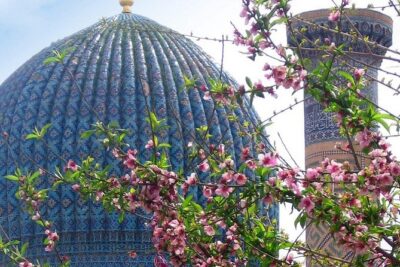
Afrosiyob high speed train tickets – Guaranteed Pass
Read our review →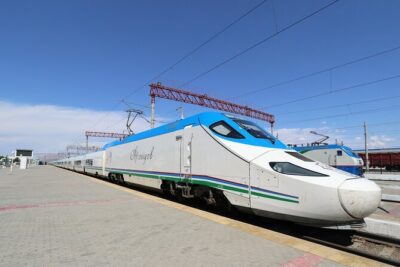
Samarkand One Day Private Tour from Tashkent with Bullet Train
Read our review →