
Reviewed · CHIMGAN & AMIRSOY MOUNTAIN TOURS
Tashkent: 3-Day Horseback Riding Tour in Chimgan Mountains
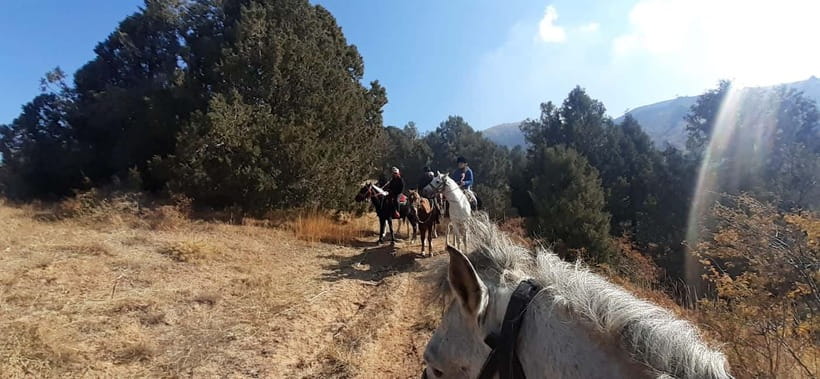
The best part of this Chimgan Mountains horseback tour is the steady change of scenery: village roads give way to shepherds’ pastures, river crossings, marble gorges, alpine meadows, and high passes. You sleep outdoors, eat food prepared by a local cook, and travel at the pace of a horse rather than from behind a van window.
I like the river crossings and mountain passes, which give the trip real adventure without turning it into a technical expedition. I also like the chance to meet villagers and eat home-cooked food, rather than spending every night in a standard hotel. The main caution is simple: the days are long in the saddle, and the camping arrangements may change with weather or local conditions.
Key points before you book
- Five to six hours on horseback each day: This is a riding trip, not a short trail ride with a little sightseeing added.
- The route reaches Chet Kumbel Pass and Akshuran Pass: Expect climbs, descents, river crossings, and uneven mountain paths.
- Camping is part of the experience: Tents, sleeping bags, sleeping rugs, kitchen equipment, and a cook are included.
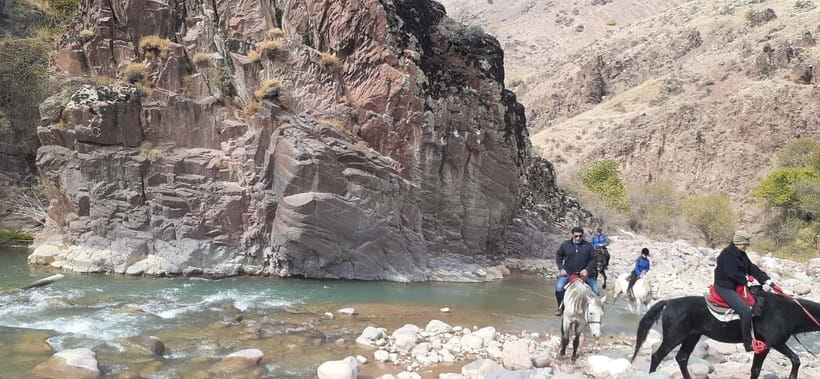
- The scenery keeps changing: You ride through Aksai Valley, Beldersai Valley, alpine meadows, forest, marble gorges, and red cliffs.
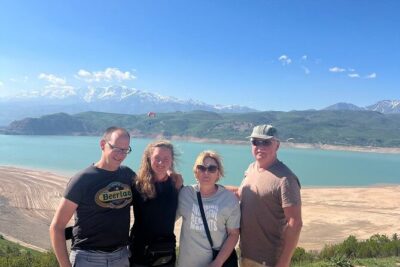
- The final view is Charvak Lake: The route ends near Chorvak Oromgohi, after a ridge ride toward the peak called Last.
- The organization needs flexibility: One customer found the actual camping site and final riding time differed from the advertised plan, so confirm the details before departure.
What $430 buys you in the Chimgan Mountains
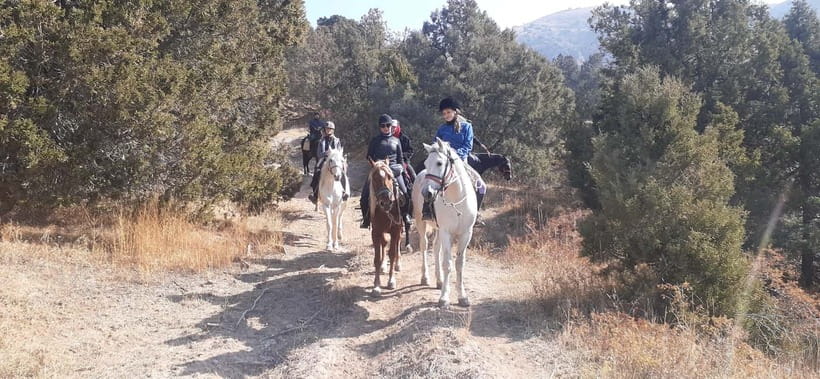
At $430 per person, this tour is not priced like a simple half-day horse ride. You are paying for three days of transport, horses, an English-speaking guide and horseman, a cook, full-board meals, camping equipment, registration, and a donkey to carry supplies. That makes the price easier to justify, especially because organizing this route independently would mean arranging animals, food, tents, mountain transport, and local support separately.
The small-group limit of 10 people is useful here. Mountain riding works better with fewer riders, since the group can stop for horses, manage river crossings, and move through narrow valleys without a long queue. The supplied horse arrangement lists two horses for tourists and two for the horseman and guide, along with a donkey for transport. Confirm the exact horse allocation if you are booking as a larger group.
Transport from Tashkent is included. Smaller groups of up to three people may be collected in a Chevrolet Lacetti, while larger groups travel in a van such as a Hyundai Starex. Pickup can be arranged from your hotel or another location in Tashkent, which saves you from finding your own way to the mountains before an already early start.
The price does not include meals in the city, insurance, visa support, personal clothing, footwear, backpack, or a first-aid kit. Those exclusions matter. Bring proper shoes, rain protection, warm layers, and any medicine you need. This is not the place to rely on a thin city jacket and casual sneakers.
More Multi-Day Tours in Tashkent
- 2 Days Tour to Bukhara and Samarkand from Tashkent by train
★ 5.0 · 53 reviews - Fergana – Golden Valley From Tashkent 1 night / 2 days
★ 4.5 · 41 reviews - Uzbekistan 8 Days Private Tour Tashkent-Urgench-Bukhara-Samarkand-Tashkent
★ 4.5 · 38 reviews
Day 1: Aksai Valley, Archali Pass, and a riverside camp
The first morning starts with an early departure from Tashkent and a drive toward Aksai Valley. Once you reach the riding area, the route passes the village and begins climbing toward Aksakata Mountain. The pace should allow time to settle onto the horse and get used to riding on mountain ground.
The first major section leads toward Archali Pass. You may see pack horses, livestock, and shepherds using summer pastures. This is one of the more valuable parts of the trip because the mountains are not treated like a sealed-off attraction. People still move animals through these valleys, and the route connects you with that working mountain culture.
After a short rest, you cross the valley slowly toward the marble belt, where lunch is served. The name suggests the geology here, but the practical point is the terrain: the route is already climbing and descending over ground that can feel much harder than a flat trail. You will want water close at hand and clothing that works in changing temperatures.
After lunch, the ride drops toward the meeting point of the Aksaka Ata and Nurik Ata rivers. You cross a wooden bridge and continue along a river valley with alpine plant life. The sound of running water and the open valley make this a strong first day, but the route is still demanding. Expect roughly five hours of riding, not counting stops.
Camp is set near the river. The evening includes a fire, dinner prepared by the cook, and time under the stars. This is the kind of night that gives the tour its character, but riverside camping also means basic facilities. You are outdoors, and the nearest comfortable bathroom may not be close. Pack a headlamp, toilet paper, and a warm layer for sitting around camp.
Day 2: Chet Kumbel Pass and Beldersai Valley
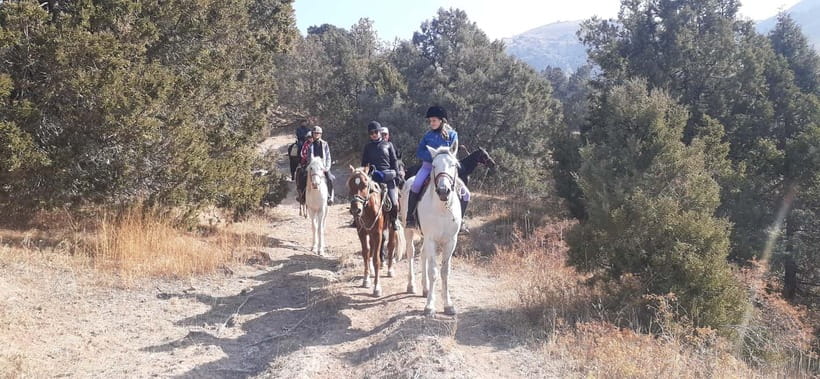
Day two begins early with hiking porridge and hot coffee. You pack up camp, load the equipment, and start riding through a day of repeated ascents, descents, and river crossings. This is likely the most physically demanding section of the route.
After several hours, you reach a shelter belonging to a mountain bee farmer. The stop gives both you and the horses a needed rest. It also adds a rare local detail to the route. You are not simply passing through empty mountains. People use these high areas for seasonal work, animal grazing, and food production.
The route then climbs toward Chet Kumbel Pass. Near a spring and an old tree said to be 1,000 years old, you stop for lunch. The combination of shade, water, and a natural landmark makes this a welcome pause after the climb.
From there, you ride along Kumbel Mountain toward a ski slope and then up to a large rock near the forest. After about half an hour, the route reaches a broad alpine meadow. This is one of the few places where you may be able to canter, depending on ground conditions, horse behavior, and the guide’s judgment. Do not assume that every rider will canter. Mountain safety comes first.
The written route includes another lunch and horse rest near a marble gorge before continuing toward Urta Kumble and down into Beldersai Valley. Since the schedule describes lunch at both the spring and the marble gorge, ask the guide how meal timing will work on your departure. Mountain days often shift around weather, horse condition, and trail conditions.
You cross the Beldersai River, continue through Yakka Archa, and climb again toward Chet Kumbel. Camp is set near the river. By this point, the repeated climbs will make the value of the donkey clear. It carries supplies so the riding horses and the people in the group do not have to haul the full camp load.
The second night follows the same outdoor pattern: dinner, camp activities, and sleep near the river. It is scenic, but it is not a soft adventure. You should be comfortable with simple washing arrangements, a sleeping bag, and a night outdoors in changing weather.
Day 3: Villages, red cliffs, and the view toward Charvak Lake
After breakfast, the third day begins on a meadow before descending toward the Beladersai River bridge. You cross the bridge and climb toward Uchterak village. Lunch is served near the village, and the route then passes through the settlement.
This is one of the most human parts of the tour. You meet local people, cross the Galvaysai River, and see how the mountain route connects villages with the surrounding valleys. If you want a trip based only on mountain scenery, this may feel like a detour. I see it as a strength, since the tour includes daily life rather than presenting the mountains as empty scenery.
The next climb leads to Akshuran Pass and another area where cantering may be possible. Again, your riding ability and the trail conditions will decide what happens. The tour is not described as suitable for complete physical beginners who have never spent hours in a saddle, so be realistic about your comfort level.
In the afternoon, the route follows a ridge with rolling red cliffs known as Kyzyljar. After several hours, you reach the peak called Last, where Charvak Lake comes into view. This is the big visual finish: high mountain ridges, red rock, and the lake below.
From the viewpoint, you rest and walk down to Chorvak Oromgohi. Your driver meets you there for the return to Tashkent. You say goodbye to the horseman and his brother before beginning the drive back.
One important practical note comes from the trip’s actual operating conditions. A customer reported riding for only about two and a half hours on the final day, despite expecting a full riding day. Weather, route decisions, and the location of the final camp can affect the schedule. Ask for the expected riding hours and overnight locations before setting out.
More mountain days above Tashkent:
- Best of Tashkent Mountains: Amirsoy, Chimgan & Charvak Trip
★ 4.8 · 567 reviews - Amirsoy, Chimgan & Charvak Full-Day Adventure
★ 4.9 · 82 reviews - Tashkent Tour at Amirsoy, Chimgan Mountains and Charvak lake
★ 5.0 · 37 reviews - From Tashkent: Chimgan Valley Hiking Day Trip
★ 4.9 · 24 reviews
Camping, food, and the comfort level
The camping equipment supplied includes a tent, sleeping bag, sleeping rug, and kitchenware. A local cook prepares full-board meals, including breakfast, lunch, and dinner. The first breakfast is described as hiking porridge and hot coffee, and the evening meals are cooked at camp.
The food appears to be one of the tour’s strongest points. The meals are home-style rather than restaurant service, and the final day may include eating at a family’s house. That meal provides a more personal connection to the region than another packaged picnic would.
The trade-off is comfort. Camping near rivers and in meadows means exposure to cold, rain, wind, mud, and insects. One customer expected wild camping at a mountain site but instead spent a night in a field near town because of weather concerns. That arrangement had the inconvenience of camping without the same feeling of being far from buildings.
This is a good example of why you should clarify the plan before departure. Ask where you are likely to sleep each night, what happens if weather changes, and what camping equipment is provided. The published plan includes tents, but one customer said there was confusion about equipment and that the guide did not know the group had no tent. Communication through WhatsApp was not passed along clearly.
Riding ability and physical demands
The tour includes five to six hours of horseback riding per day. You will cross rivers, climb mountain passes, descend uneven paths, and ride through open meadows. The physical challenge comes from time in the saddle as much as from the climbs.
You do not need to be an expert mountaineer, but you should be comfortable with a long day outdoors and basic horse riding. The description does not provide a formal minimum riding level, so ask the operator how horses are matched to riders before booking. Tell them honestly about your experience and any concerns.
Bring hiking shoes or sturdy riding footwear, comfortable clothes, gloves, sunglasses, a hat, rain gear, spare clothes, and personal medication. A backpack is not supplied, so you need your own way to carry daily essentials. Keep the load small. The donkey carries group supplies, but that does not mean it will carry every personal item.
This tour is not suitable for people with back problems, mobility impairments, heart problems, or respiratory issues. If you have a medical concern outside those categories, ask your doctor and the provider before booking. The route includes altitude changes and several long riding days.
The guides and group setup
The tour includes an English-speaking guide and a horseman. Their job is not only to lead the route, but also to manage horses, help with river crossings, organize camp, and judge when riding conditions are safe. The supplied feedback points to guides with many years of mountain experience, along with professional riding instruction and food support.
Still, good field skills do not always guarantee perfect administration. The strongest practical advice is to confirm your riding experience, tent arrangements, meal plan, pickup point, and likely overnight sites directly before you leave Tashkent.
With a maximum of 10 participants, the group should remain manageable. Smaller numbers are especially useful on narrow paths and at river crossings. They also give you more time to ask questions and learn about villages, shepherds, and mountain routes.
Who should book this three-day ride?
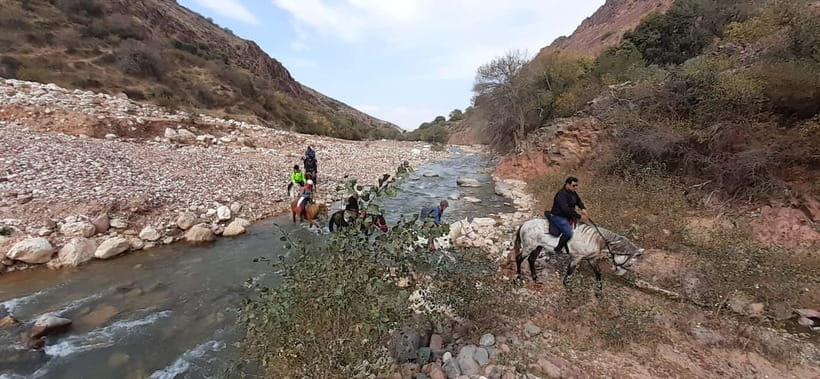
I would choose this tour if you want active time in the Chimgan Mountains and are happy to trade hotel comfort for riverside camps, local cooking, and a slower route through the valleys. It suits riders who enjoy long days outside and want more than a short photo stop in the mountains.
I would be cautious if you have little riding experience, dislike basic camping, or need a precise schedule. The route can change, the weather matters, and the riding time may not match the headline description every day.
The tour is also a good fit if you value local contact. The shepherds’ pastures, bee farmer’s shelter, village stops, family meal, and farewell to the horseman give the trip a human scale. You are not just looking at the mountains. You are moving through places where people work and live.
Is the $430 price fair?
For a three-day, full-board mountain trip with horses, guides, cooking, camping gear, transport, and a donkey for supplies, $430 is a reasonable package price. The value is strongest if you would otherwise need to arrange separate transport, horses, meals, tents, and local support.
The value drops if your main goal is a precisely timed riding itinerary with guaranteed wild camps and a full final riding day. One customer had a disappointing change of camping location and less riding on day three. That does not erase the excellent scenery or food, but it shows why clear communication matters.
Free cancellation up to 24 hours before departure and the option to reserve without paying immediately give you some flexibility. More important, use that flexibility to ask questions before the trip begins.
Should you book it?
Book this Chimgan Mountains horseback tour if rivers, passes, alpine meadows, local food, and simple camping sound better to you than polished facilities and a fixed timetable. The scenery is the main prize, and the route offers real variety across three days.
Skip it if you need guaranteed camping locations, short riding days, or hotel-level comfort. Before paying, confirm the horse arrangement, your tent, the expected riding time on day three, and the backup plan for bad weather. If those answers suit you, this is a memorable way to see the mountains around Tashkent at ground level, one river crossing and mountain pass at a time.
FAQ
How long is the horseback riding each day?
The tour involves about five to six hours of horseback riding per day. Actual riding time may change because of weather, trail conditions, horse rests, or other route decisions.
Is transport from Tashkent included?
Yes. Transport between Tashkent and the mountains is included. Groups of up to three may use a Chevrolet Lacetti, while larger groups may travel in a van such as a Hyundai Starex.
Is camping equipment provided?
Yes. The tour includes a tent, sleeping bag, sleeping rug, and kitchenware. You should still confirm your personal equipment arrangements before departure.
Are meals included?
Full board is included during the mountain portion of the tour. A local cook prepares the meals. Meals in the city are not included.
Is an English-speaking guide provided?
Yes. The tour includes an English-speaking guide and a horseman.
How many people can join the group?
The tour is limited to 10 participants.
What should I bring?
Bring your passport or ID card, sunglasses, a hat, spare clothes, hiking shoes, rain gear, comfortable clothing, gloves, and personal medication. You should also bring your own backpack and personal first-aid supplies.
Is the tour suitable for beginners?
The available information does not specify a formal beginner riding level. The route includes five to six hours in the saddle, river crossings, mountain passes, climbs, and descents, so you should honestly discuss your riding experience with the provider before booking.
Can I cancel the tour?
You can cancel up to 24 hours in advance for a full refund. The tour also offers reserve now and pay later booking.
More 3-Day Experiences in Tashkent
- Uzbekistan 3 Day Private Tour Tashkent-Bukhara-Samarkand Bullet Train
★ 4.5 · 23 reviews - 3-Day Chimgan Trekking Tour
★ 5.0 · 10 reviews - Desert yurt camp and Mountain tour – 3 days
★ 4.5 · 15 reviews - Aral Sea – Extended trip (3 days)
★ 5.0 · 5 reviews
Just added around Tashkent
- Uzbekistan Tour – 6 Days 5 Nights★ 5.0 · 4 reviews
- Private Intercity Transfer Tashkent – Samarkand – Tashkent★ 3.5 · 3 reviews
- Tashkent-Samarkand-Bukhara tour-3nights/4 days★ 5.0 · 5 reviews
- Tashkent Mountain Tour Amirsoy with Transport★ 3.5 · 3 reviews
- Tashkent Food and Metro Journey★ 5.0 · 4 reviews
- Tashkent City Tour with Hotel Pickup and Drop off★ 4.5 · 4 reviews
- Private Tashkent City Tour★ 5.0 · 3 reviews
- Transfer Tashkent Airport / Railway Station – Hotel★ 3.5 · 3 reviews
Chimgan & Amirsoy Mountain Tours, compared.
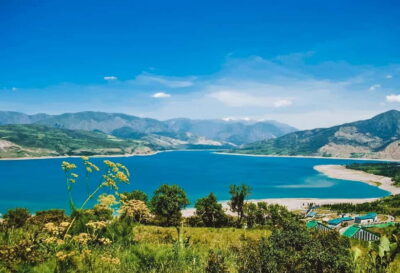
Best of Tashkent Mountains: Amirsoy, Chimgan & Charvak Trip
Read our review →
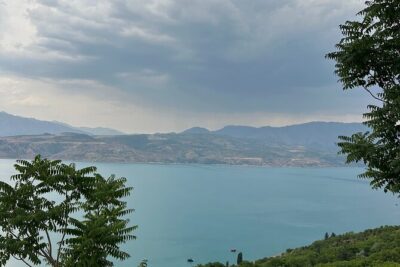
Tashkent Tour at Amirsoy, Chimgan Mountains and Charvak lake
Read our review →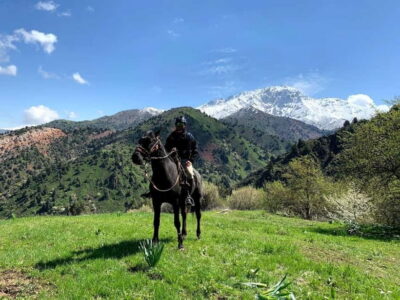
Private tour: Amirsoy, Chimgan mountains & Charvak
Read our review →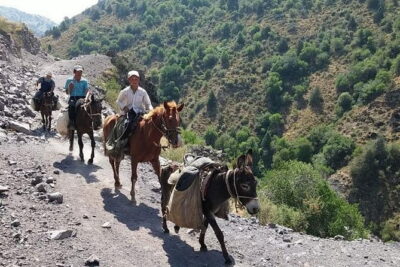
Amirsoy, Chimgan Mountain & Charvak Lake tour from Tashkent
Read our review →Browse the lists this tour appears in